


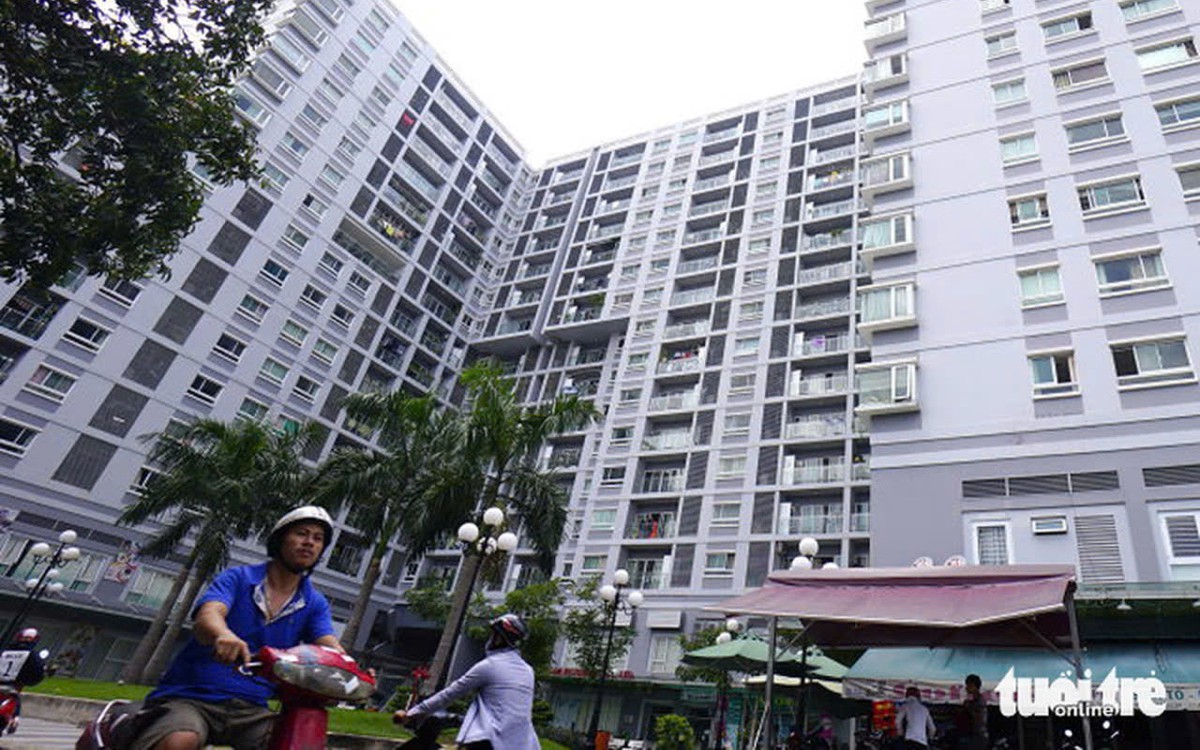
Banks Tighten Real Estate Lending
Translated from Vietnamese, summarized and contextualized by DistantNews.
TLDR
- Vietnamese banks are tightening their real estate lending policies, prioritizing projects with clear legal status and high liquidity.
- Techcombank, for instance, has reduced its real estate loan portfolio's share of total lending to 26.44% from a previous high of 40%, focusing on other growth areas like infrastructure and SMEs.
- Other banks like VPBank and SHB are also adopting cautious approaches, favoring social housing projects and those serving genuine housing needs, while ACB maintains a significant but safe real estate loan proportion.
Vietnamese banks are adopting a more prudent approach to real estate lending, a significant shift from previous years where the sector attracted substantial credit. As reported by Tuổi Trẻ, institutions like Techcombank are recalibrating their strategies, emphasizing projects with robust legal frameworks and strong market demand. Techcombank's CEO, Jens Lottner, highlighted that while real estate remains an important sector, the bank is diversifying its portfolio, seeing greater growth potential in areas such as infrastructure and small and medium-sized enterprises. This strategic pivot is driven by a desire for more controlled risk and transparent capital deployment.
We are cautious about lending to real estate projects. When financing, Techcombank must know for sure who the buyer of that real estate is, what the customer's repayment ability is. Besides, capital must be used transparently for Techcombank to finance.
The narrative emerging from Vietnamese financial institutions is one of cautious optimism and risk management. Techcombank's Chairman, Hồ Hùng Anh, acknowledges the long-term potential of Vietnam's real estate market but stresses the critical importance of risk governance. The bank's commitment to lending only to projects with clear legal standing and high liquidity, coupled with a non-performing loan ratio below 1% in this segment, showcases its stringent criteria. Similarly, VPBank, under CEO Nguyễn Đức Vinh, is prioritizing social housing and genuine housing needs over luxury or resort properties, learning from past experiences with stalled projects and slow recovery of funds.
In the next 5-10 years, real estate will still be a sector with many potentials in Vietnam. However, the determining factor is risk management.
From a Vietnamese perspective, this tightening of real estate credit is seen not as a contraction but as a necessary course correction towards sustainable development. The emphasis on "nhà ở xã hội" (social housing) and "nhu cầu ở thật" (genuine housing needs) reflects a national priority to address housing affordability and stability, rather than fueling speculative bubbles. While international observers might focus on potential impacts on the property market or economic growth, the local viewpoint emphasizes the banking sector's role in ensuring financial stability and supporting development that aligns with societal needs. Publications like Tuổi Trẻ play a crucial role in disseminating these policy shifts and their rationale, fostering a national understanding of the banking sector's evolving role in the country's economic landscape.
For Techcombank, I affirm that we only choose projects with good liquidity and full legal status.
DistantNews Editorial
Originally published by Tuổi Trẻ in Vietnamese. Translated, summarized, and contextualized by our editorial team with added local perspective. Read our editorial standards.
More Stories



From Our Blog

What Gets Lost (and Found) When News Is Translated

The Critical Role of Diaspora Media in Global News

What Travellers Should Know About Countries with Restricted Press

A Digital Nomad's Guide to Following Local News

How the Same Story Looks Different in Different Countries
