


Basic Pension Costs to Double by 2048 if Current System Remains: Study
Translated from Korean, summarized and contextualized by DistantNews.
TLDR
- Maintaining the current 'income-bottom 70%' eligibility for basic pension in South Korea will double its share of national finances by 2048, a study warns.
- The current system provides a fixed amount to the bottom 70% of elderly earners, but research indicates a significant portion of recipients have incomes above the 'policy poverty line'.
- The study suggests integrating the basic pension into the basic livelihood security system to improve fiscal efficiency and better address elderly poverty.
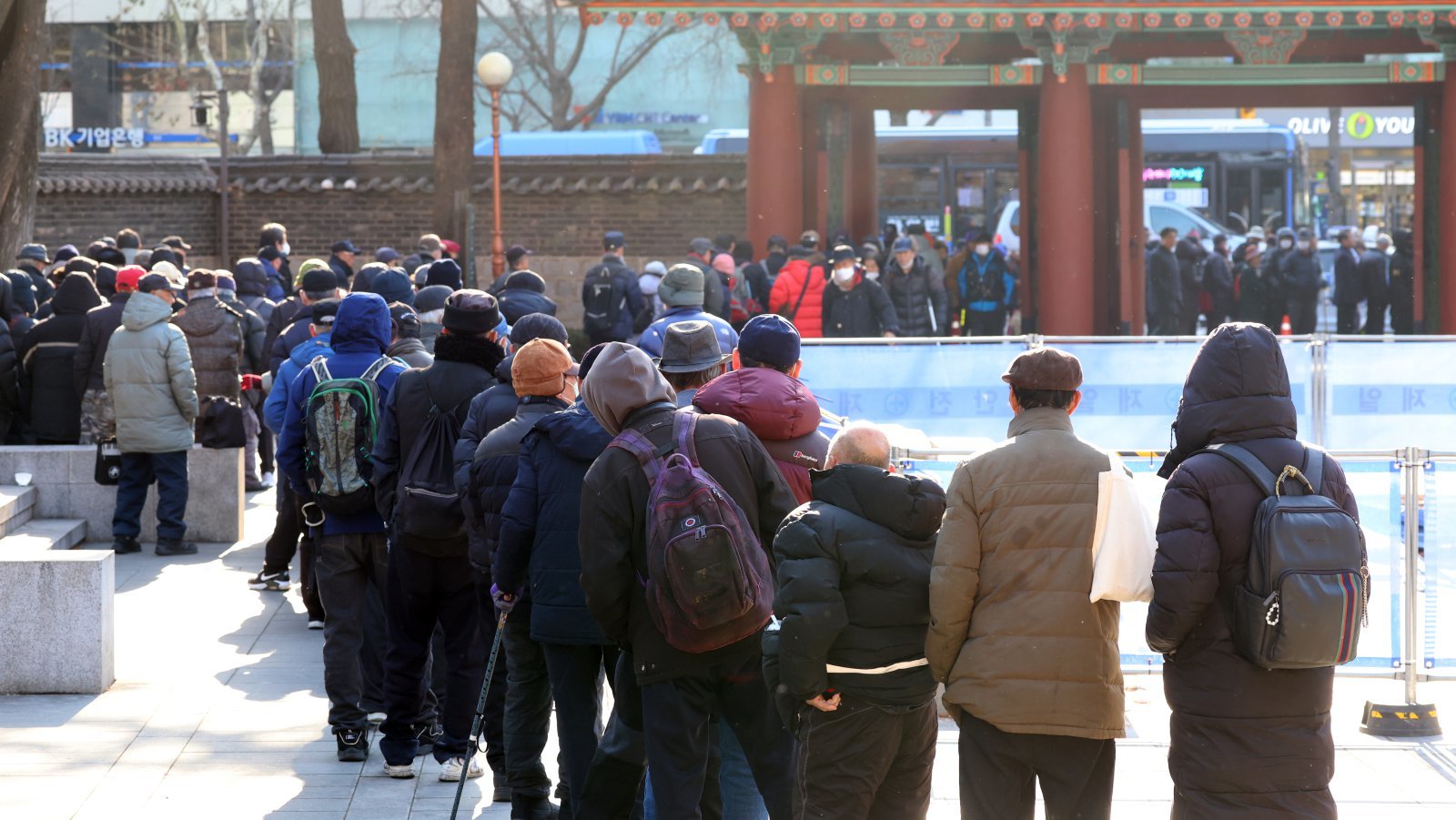
A stark warning has emerged regarding the sustainability of South Korea's basic pension system. A recent study published by the Korea Institute of Public Finance indicates that if the current eligibility criteria – targeting the bottom 70% of income earners among the elderly – remain unchanged, the pension's burden on the national budget will double within two decades.
The research, detailed in the February issue of the Journal of Fiscal Studies, analyzed long-term financial projections based on economic growth rates, inflation, and population forecasts. The findings are alarming: the basic pension's share of the government budget is projected to rise from 3.08% in 2024 to 6.07% in 2048, while its proportion of the Gross Domestic Product (GDP) is expected to increase from 0.79% to 1.70% in the same period.
This fiscal pressure stems from a fundamental issue: the system's broad reach. While intended to support low-income seniors, the study highlights that a considerable number of recipients, approximately 24.68% as of August last year, possess incomes exceeding the 'policy poverty line' – defined as below 50% of the median income. This suggests that the pension is being distributed to individuals who may not require state assistance for basic survival.
From a South Korean perspective, this research underscores a critical challenge of our rapidly aging society. While ensuring the well-being of our seniors is paramount, the current basic pension system appears fiscally inefficient and potentially hinders more effective income redistribution. The study's proposal to merge the basic pension with the existing basic livelihood security system warrants serious consideration. This consolidation could streamline support for the truly needy, ensuring that public funds are allocated with greater precision and fiscal responsibility, a crucial task as we navigate the complexities of an increasingly aged demographic.
DistantNews Editorial
Originally published by Dong-A Ilbo in Korean. Translated, summarized, and contextualized by our editorial team with added local perspective. Read our editorial standards.
More Stories


From Our Blog

What Gets Lost (and Found) When News Is Translated

The Critical Role of Diaspora Media in Global News

What Travellers Should Know About Countries with Restricted Press

A Digital Nomad's Guide to Following Local News

How the Same Story Looks Different in Different Countries
