


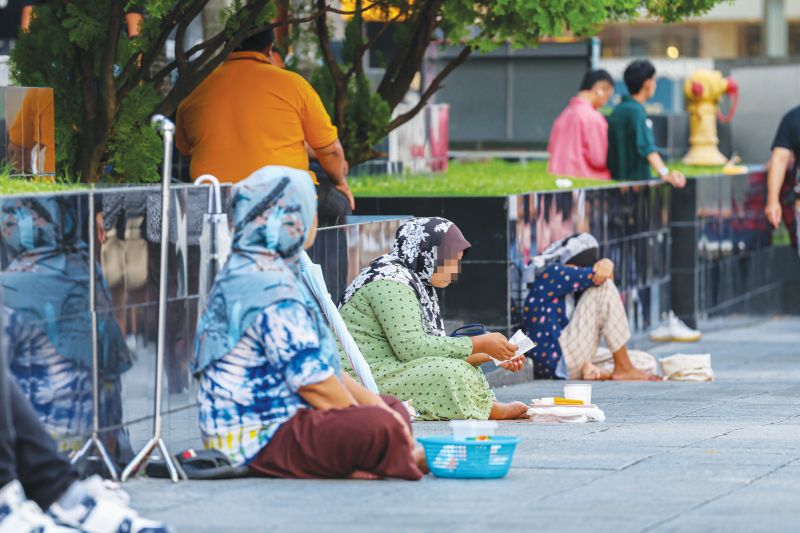
Beggars 'flood' Bukit Bintang, tarnishing capital's image
Translated from Malay, summarized and contextualized by DistantNews.
At a glance
News
Named sources
Context piece
- The popular Bukit Bintang tourist area in Kuala Lumpur is facing a growing problem with beggars and homeless individuals.
- Reports indicate a significant presence of beggars, including foreigners, who approach people and tourists for money.
- The situation raises concerns about the effectiveness of enforcement and the potential damage to Malaysia's image as a tourist destination.
Kuala Lumpur's famed Bukit Bintang district, known as the city's "golden triangle," is grappling with an increasingly concerning issue: a rising number of beggars and homeless individuals. A recent two-day weekend survey revealed at least eight beggars present in the area at any given time.
Most of them are not homeless people who live here. We don't know where they come from, but we understand they move from one area to another to beg.
Some of these individuals are believed to be foreign nationals, including those from the Rohingya ethnic group. They are not only occupying sidewalks but also approaching crowds, including foreign tourists, to solicit money. These groups have been observed congregating in high-traffic areas such as outside popular restaurants, banks, and shopping centers.
The following day, a different set of beggars appeared, including a group of women with young children, reportedly from Western Asia, who were also seen begging. This situation has caused discomfort among the public and sparked questions about the efficacy of authorities' enforcement measures. More worryingly, the presence of these individuals is seen as a potential detriment to Malaysia's national image, given Bukit Bintang's status as a prime destination for both domestic and international tourists.
They are not homeless people who live here. We don't know where they come from, but we understand they move from one area to another to beg.
A restaurant worker, identified only as Alif, 19, noted that the beggars are particularly prevalent on weekends. "Most of them are not homeless people who live here. We don't know where they come from, but we understand they move from one area to another to beg," he said. He described some foreign beggars, particularly from the Rohingya community, as being "insistent and overly forceful" when demanding money from visitors. He also mentioned that homeless individuals frequently use the area in front of a bank as a place to sleep, which he finds embarrassing for tourists to witness.
The situation is embarrassing because foreign tourists see Malaysia filled with people like this.
DistantNews Editorial
Originally published by Utusan Malaysia in Malay. Translated, summarized, and contextualized by our editorial team with added local perspective. Read our editorial standards.
More Stories


From Our Blog

What Gets Lost (and Found) When News Is Translated

The Critical Role of Diaspora Media in Global News

What Travellers Should Know About Countries with Restricted Press

A Digital Nomad's Guide to Following Local News

How the Same Story Looks Different in Different Countries
