

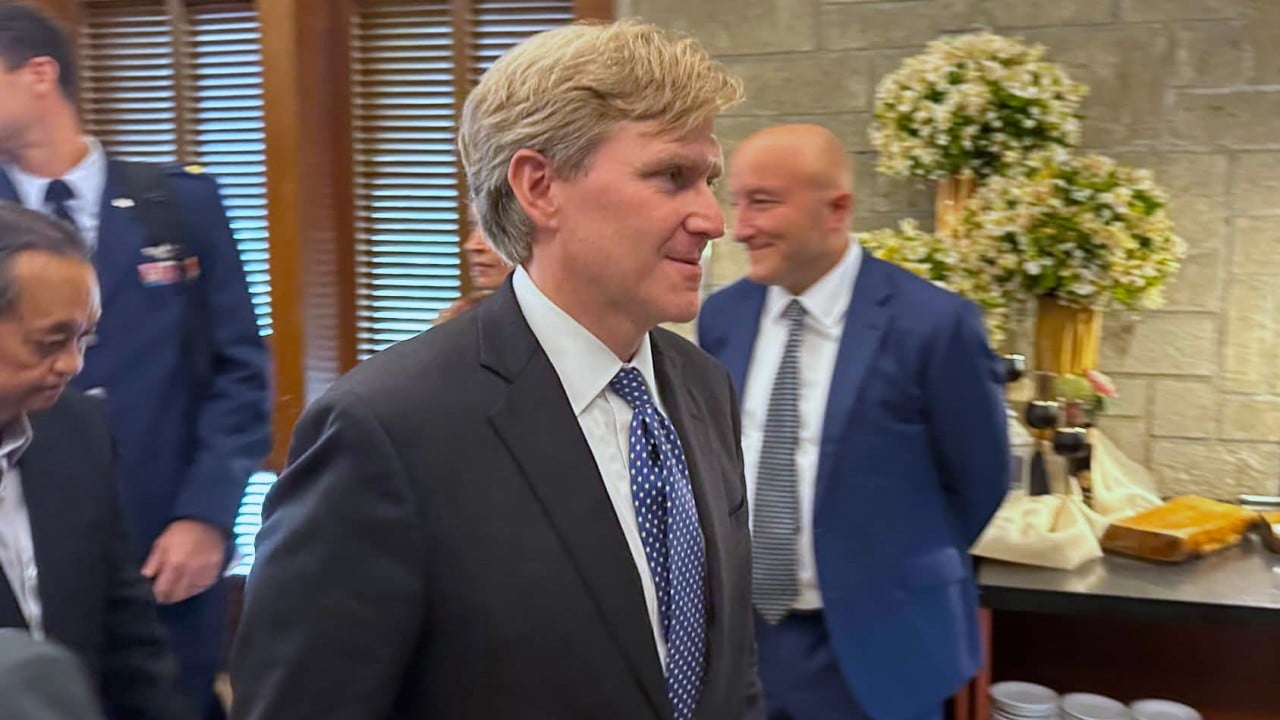
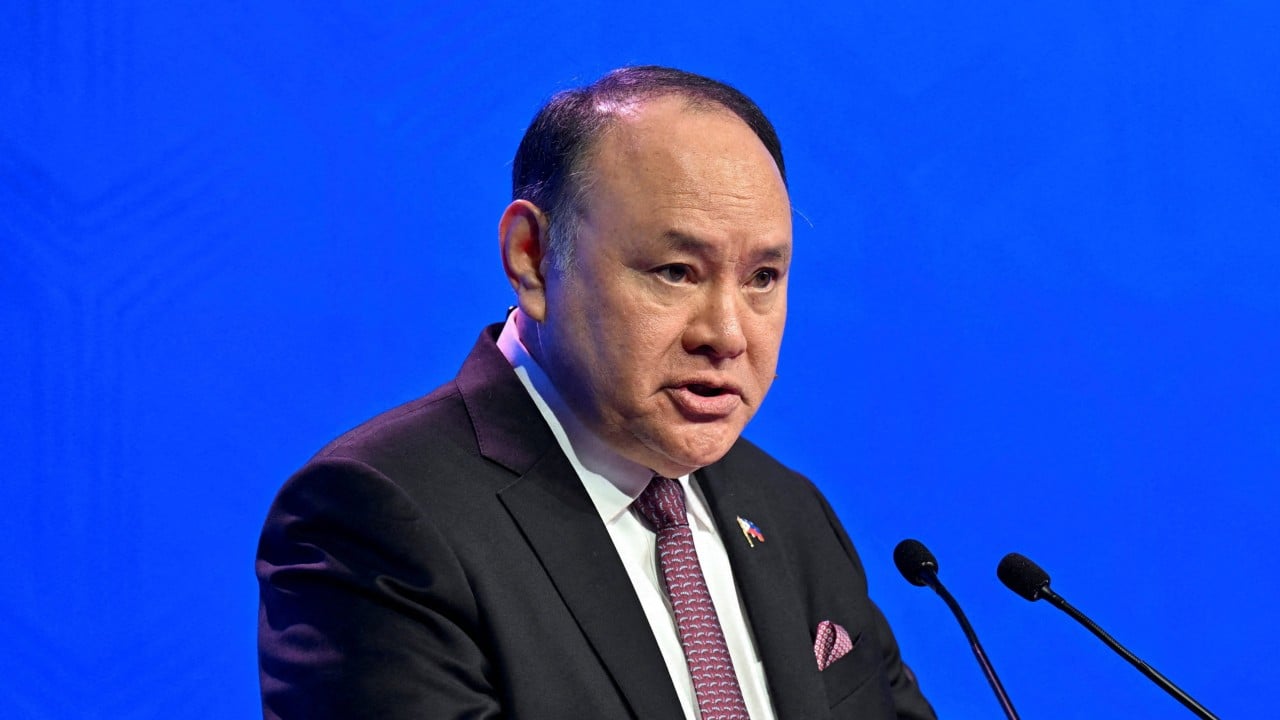
Beijing and Manila clash over arrests of 'illegal' workers as tensions worsen
Translated from English, summarized and contextualized by DistantNews.
At a glance
News
Sources not specified
Outcome reported
- Beijing and Manila are clashing over the arrest of Chinese workers in the Philippines, escalating tensions.
- A Chinese embassy official accused Philippine Defense Secretary Gilberto Teodoro Jnr of "anti-China activities."
- The Philippine defense department dismissed the criticism, calling it evasive and an "implied admission of culpability."
Tensions between Beijing and Manila have escalated beyond the South China Sea, spilling into immigration issues following the arrest of Chinese workers at a steel plant in the Philippines. This dispute arises even as Philippine President Ferdinand Marcos Jnr seeks to "reset" bilateral ties.
anti-China activities
Manila has strongly refuted Beijing's criticism directed at Defense Secretary Gilberto Teodoro Jnr concerning his role in the May arrests of Chinese nationals at the Sanjia Steel Corporation plant in Misamis Oriental. A Chinese embassy official in Manila had accused Teodoro of engaging in "anti-China activities" aimed at disrupting bilateral relations.
a classic example of evasiveness and a badge of deception
However, the Philippine defense department countered by stating that the embassy's response failed to address Teodoro's concerns. They characterized Beijing's remarks as "a classic example of evasiveness and a badge of deception," which, in legal terms, amounts to an "implied admission of culpability."
implied admission of culpability
The embassy spokesman, Ji Linpeng, had previously questioned Teodoro's dual role as defense secretary and police chief, asking why he "interfered in law enforcement operations." The detentions involved 70 allegedly undocumented Chinese nationals, prompting formal protests from Beijing and consular visits. The embassy confirmed that all detained Chinese nationals have since been released.
interfered in law enforcement operations
DistantNews Editorial
Originally published by South China Morning Post in English. Translated, summarized, and contextualized by our editorial team with added local perspective. Read our editorial standards.
More Stories
From Our Blog

Countries Without a Free Press: What You Need to Know

What Press Freedom Means for the News You Read

What Gets Lost (and Found) When News Is Translated

The Critical Role of Diaspora Media in Global News

What Travellers Should Know About Countries with Restricted Press
