


US Indo-Pacific ‘burden sharing’ risks deepening polarisation and big power rivalry
Translated from English, summarized and contextualized by DistantNews.
At a glance
Analysis
Named sources
Context piece
- The US is promoting "burden sharing" in the Indo-Pacific, urging allies to increase military capacity and defense spending.
- Analysts question the strategy's success, suggesting it intensifies great power rivalry and regional polarization.
- The US aims for partners, not protectorates, seeking allies prepared to contribute more to regional security.
The United States is actively encouraging its allies in the Indo-Pacific to take on greater responsibility in regional security through a strategy of "burden sharing." This approach involves increasing the military capacity of allies while simultaneously working to de-escalate political tensions, aiming to reassure partners of continued U.S. security commitments.
The United States was looking for “partners, not protectorates” and urged its allies to boost defence spending.
However, some analysts express skepticism about the effectiveness of this deterrence strategy. They argue that the U.S. push for burden sharing has inadvertently intensified rivalry between major powers and deepened political polarization within the region. Furthermore, it is suggested that this dynamic is fostering closer bilateral cooperation between China and Russia, as well as between Russia and North Korea.
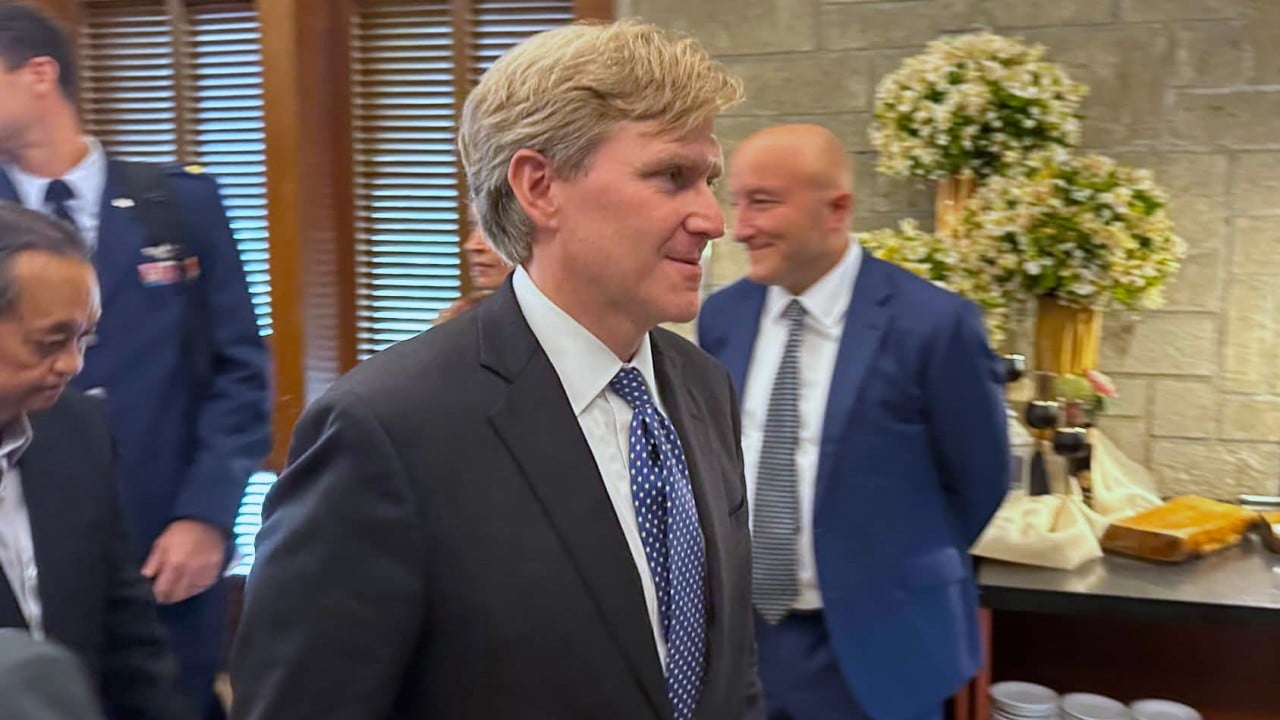
During a recent tour of Southeast Asia, U.S. Undersecretary of Defense for Policy Elbridge Colby articulated this vision, stating in the Philippines that the U.S. seeks "partners, not protectorates." He urged allies to enhance their defense spending and capabilities. This message was reiterated in an online press briefing, where Colby noted Washington's realization that allies "can and are prepared to do more," shifting the U.S. military focus from regime change operations to collaborative security efforts.
Washington was prioritising “burden sharing” now that it realised its allies “can and are prepared to do more”.
Colby's visits to Thailand, Indonesia, and Cambodia underscored the U.S. intention to deepen security ties. According to Sun Chenghao, a fellow at Tsinghua University’s Centre for International Security and Strategy, Colby's remarks indicate that while U.S. security guarantees will remain, allies are expected to improve their proficiency in air defense, anti-ship, and reconnaissance operations. Allies are also expected to leverage their existing base infrastructure for logistical support, reflecting a move towards more self-reliant and capable regional partners.
His comments suggested that the US would keep its security guarantees in place, but wanted allies to improve their ability to conduct air defence, anti-ship and reconnaissance operations, while utilising base structural capacity to provide logistics support, according to Sun Chenghao, a fellow at Tsinghua University’s Centre for International Security and Strategy.
DistantNews Editorial
Originally published by South China Morning Post in English. Translated, summarized, and contextualized by our editorial team with added local perspective. Read our editorial standards.
More Stories
From Our Blog

Countries Without a Free Press: What You Need to Know

What Press Freedom Means for the News You Read

What Gets Lost (and Found) When News Is Translated

The Critical Role of Diaspora Media in Global News

What Travellers Should Know About Countries with Restricted Press
