

Belarus: More Than Just a Dictator and a Society
Translated from Polish, summarized and contextualized by DistantNews.
At a glance
News
Named sources
Context piece
- Belarusian political prisoners endure immense personal sacrifice for their values, facing severe repression.
- The Belarusian regime is sustained by a large state apparatus and a segment of the population with vested interests, not just by fear.
- Economic stability in key workplaces and the suppression of Belarusian national identity are crucial pillars of the regime, while rural areas are neglected.
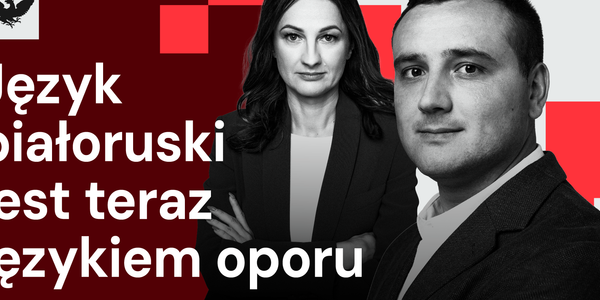
The stories of Belarusian political prisoners are not merely accounts of repression, but testaments to individuals sacrificing their lives for deeply held values, Ruslan Szoszyn, a journalist, emphasizes. He notes that media coverage often captures only a fraction of their experiences, highlighting the profound personal cost of their struggle.
These people, their struggle costs them a great deal.
Szoszyn challenges the simplistic view of Belarus as solely divided between a "bad dictator" and a "good society." He argues that President Lukashenka's regime is propped up by an extensive state apparatus, comprising individuals whose material interests are tied to maintaining the current system. "This is a huge mechanism. It's a crowd of cynical, ruthless people, without any greater values beyond their material possessions," he assesses.
The foundation of the regime, according to Szoszyn, rests not only on fear but also on a degree of economic stability within strategic workplaces. As long as salaries are paid on time, widespread protests are unlikely. "If you lack the means to support yourself, or if wages at these workplaces are not paid on time, then there will be protests," he predicts.
This is a huge mechanism. It's a crowd of cynical, ruthless people, without any greater values beyond their material possessions.
He also points to significant disparities between major cities and rural areas. While Minsk and Grodno enjoy privileges, many Belarusian villages have been in decline for years. The regime focuses its attention on areas where it faces the greatest risk of losing control, leaving smaller towns without development prospects. A second pillar of the system is the systematic suppression of Belarusian national identity. Szoszyn explains that the Belarusian language, once associated with the democratic opposition, can now attract the attention of security services. "This Belarusian language has now become the language of resistance," he stresses.
If you lack the means to support yourself, or if wages at these workplaces are not paid on time, then there will be protests.
Looking ahead, Szoszyn views the complete dependence of Minsk on the Kremlin as the most dangerous scenario for Belarus's future. "It will be worst if Belarus is absorbed into Russia. If Ukraine stumbles, Belarus is next in line," he warns. Despite this pessimistic outlook, he sees hope in the active minority who continue to fight for freedom despite years of repression. "This active minority can always change the way the rest think, as happened with Solidarity in Poland," he recalls. Szoszyn concludes that peaceful transformation remains the only viable path for Belarus, with opposition figures advocating for peaceful change rather than revenge, even after enduring personal tragedies and imprisonment.
This Belarusian language has now become the language of resistance.
DistantNews Editorial
Originally published by Rzeczpospolita in Polish. Translated, summarized, and contextualized by our editorial team with added local perspective. Read our editorial standards.
More Stories
From Our Blog

What Gets Lost (and Found) When News Is Translated

The Critical Role of Diaspora Media in Global News

What Travellers Should Know About Countries with Restricted Press

A Digital Nomad's Guide to Following Local News

How the Same Story Looks Different in Different Countries
