



BHU spent $12 million on 'remediation' and 'system reconstruction' after cyberattack; no ransom paid
Translated from Spanish, summarized and contextualized by DistantNews.
At a glance
News
Sources not specified
Outcome reported
- The Bank of the Uruguayan Homeland (BHU) spent $12 million on remediation and system reconstruction following a September cyberattack.
- BHU authorities confirmed no ransom was paid, and the incident is considered a success by responsible bodies.
- The bank declared its actions regarding the incident confidential for 15 years, a decision that prompted a committee inquiry.
The Bank of the Uruguayan Homeland (BHU) incurred an estimated $12 million in costs directly related to a cyberattack last September. The funds were allocated for "remediation services" and "system reconstruction," among other measures, according to bank officials. Authorities have firmly stated that no ransom was paid to the attackers.
it had an estimated cost of about $12 million associated directly with the incident.
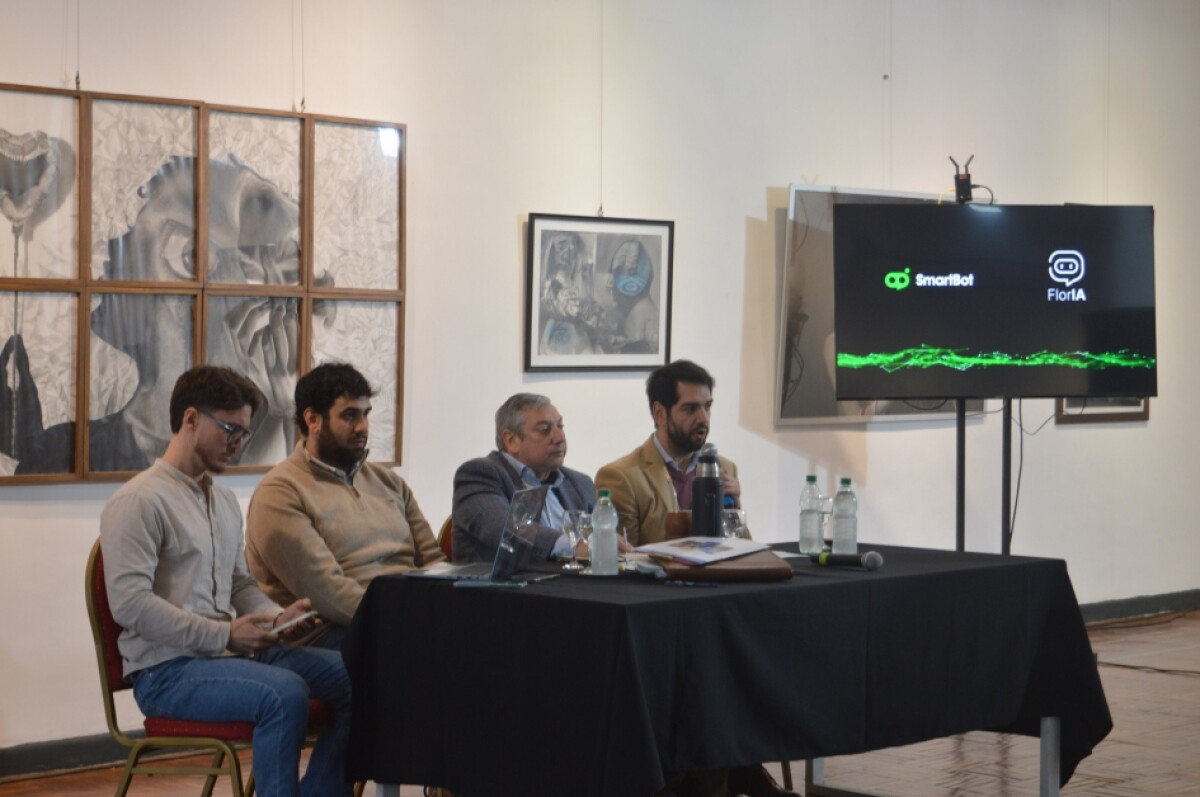
Laura Zunino, the bank's Risk Area Manager, detailed the expenses in a recent appearance before the Chamber of Deputies' Housing and Territory Commission. She explained that the costs included not only incident resolution but also advisory services for system rebuilding, technical forensic analysis, human resource expenses, and system adaptations to implement new security protocols. These efforts were part of the process to restore digital services.
There was included the part of remediation services, which exceed what is purely the resolution of the incident, because there was advice in reconstruction of systems, forensic technical analysis, expenses associated with human resources, adaptation of systems, also to arrive at new security protocols, within the framework of the redefinitions of the return to digital services.
BHU President Gabriel Frugoni emphasized that the expenditures extend beyond immediate problem-solving. He noted that the investments are also directed towards "reconstructing" a future with a different operational logic for the bank's structure. Despite the significant costs, Frugoni asserted that customer information was preserved, and no economic harm or problems occurred for clients.
if well these expenses are incurred at that time, as well as those that are being incurred this year, they do not include only a remediation of the problem.
The bank's decision to classify its actions concerning the incident as confidential for 15 years has drawn scrutiny, leading to a committee inquiry initiated by Representative Juan Pablo Delgado. Frugoni defended this decision, explaining that, like commercial banks, BHU is regulated by the Central Bank of Uruguay and much of its information is kept in reserve due to competitive and state operational norms. He highlighted that the bank confronted a "dangerous, large organization" responsible for other major attacks globally, and maintaining discretion was crucial. He reiterated that no ransom was paid, aligning with government directives.
we preserved the information and there was no economic damage to the clients, nor were there any problems with the clients.
DistantNews Editorial
Originally published by El País in Spanish. Translated, summarized, and contextualized by our editorial team with added local perspective. Read our editorial standards.
More Stories


From Our Blog

What Gets Lost (and Found) When News Is Translated

The Critical Role of Diaspora Media in Global News

What Travellers Should Know About Countries with Restricted Press

A Digital Nomad's Guide to Following Local News

How the Same Story Looks Different in Different Countries
