


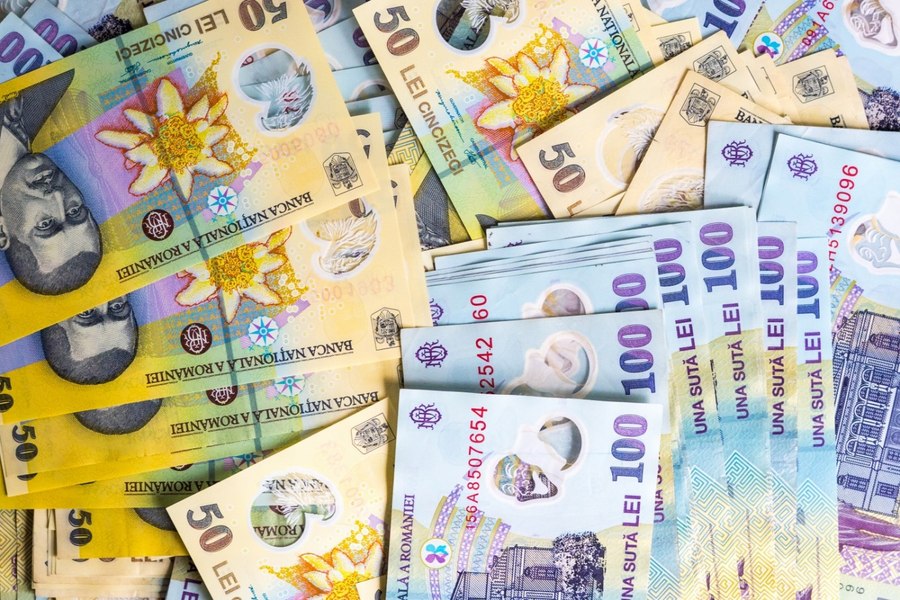
Billions for Economic Revival: What Romania Must Change for Funds to Reach Key Sectors Quickly
Translated from Romanian, summarized and contextualized by DistantNews.
TLDR
- Romania launches a 5 billion euro state aid package by 2032 to boost its economy and industrial positioning in Europe.
- The package includes 9 distinct aid schemes managed by the finance and economy ministries, targeting advanced technologies, strategic industries, and diaspora entrepreneurship.
- Key elements include financing for large strategic investments and support for industrial clusters, domestic production, critical minerals, and R&D, aiming to enhance competitiveness and regional convergence.
The Romanian government has unveiled an ambitious industrial policy initiative, a package of state aid schemes totaling approximately 5 billion euros by 2032. This move signals a significant governmental effort to reorient investment and bolster key sectors of the national economy. Analysts highlight this as a crucial step for Romania to capitalize on opportunities within the European industrial landscape.
The initiative encompasses nine distinct aid schemes, primarily overseen by the Ministry of Finance and the Ministry of Economy, with the involvement of the Investment and Development Bank. These schemes are designed to support a wide array of areas, from cutting-edge technologies and research and development to strategic industries, regional convergence, and support for entrepreneurs within the Romanian diaspora. The total allocated budget is substantial, with clearly defined allocations reaching 3.95 billion euros, and projections suggesting the total could approach 5 billion euros, especially with the inclusion of a dedicated instrument for large-scale strategic investments.
The initiative is shaping up to be one of the most ambitious industrial policy interventions in recent years, at a time when the Romanian economy is trying to capitalize on opportunities for repositioning within the European industrial architecture.
A central component of this package is the establishment of a mechanism to finance investments exceeding 200 million euros. These "anchor projects" are considered vital for generating high added value, developing local value chains, and creating significant economic ripple effects. Experts from EY Romania emphasize that investor decisions are influenced not only by financial aid but also by legislative predictability, administrative efficiency, and the state's capacity to provide integrated solutions, including infrastructure and institutional coordination.
Beyond these major investments, the government's plan includes sector-specific schemes aimed at developing industrial clusters, reducing the trade deficit by stimulating domestic production, exploiting strategic and critical mineral resources, and accelerating investments in "net-zero" technologies and low-carbon industries. Simultaneously, research, development, and innovation are to be boosted through grants and expanded tax facilities, alongside support for the defense industry, reflecting the current geopolitical emphasis on industrial autonomy and economic security. Complementary measures focus on regional convergence, enhancing local economic competitiveness, and programs designed to attract capital, know-how, and innovation from the Romanian diaspora.
investor decisions are not influenced solely by the level of financial aid, but also by the predictability of the legislative framework, the speed of administrative procedures, and the state's capacity to provide integrated solutions – from infrastructure and utilities to institutional coordination.
DistantNews Editorial
Originally published by Adevărul in Romanian. Translated, summarized, and contextualized by our editorial team with added local perspective. Read our editorial standards.
More Stories


From Our Blog

What Gets Lost (and Found) When News Is Translated

The Critical Role of Diaspora Media in Global News

What Travellers Should Know About Countries with Restricted Press

A Digital Nomad's Guide to Following Local News

How the Same Story Looks Different in Different Countries
