


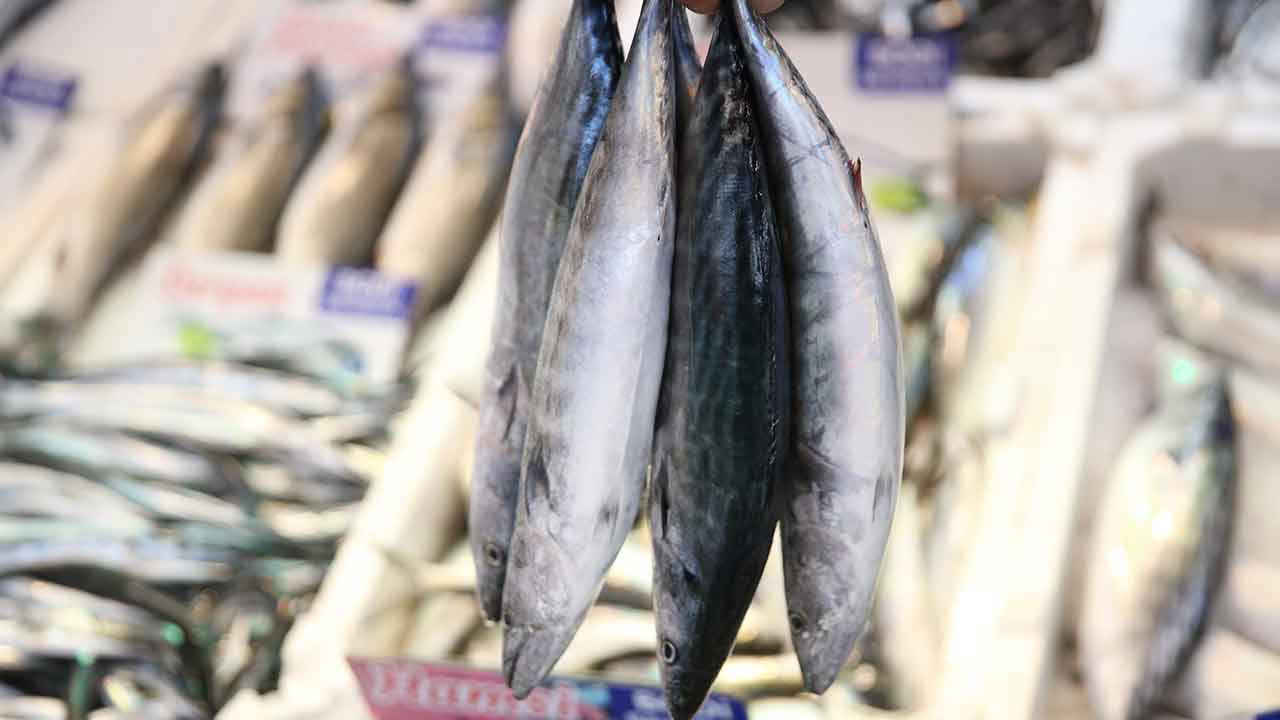
Bonito Abundance Season: Experts Warn of 'Sustainability'
Translated from Turkish, summarized and contextualized by DistantNews.
At a glance
News
Sources not specified
Context piece
- Experts anticipate a significant increase in bonito (palamut) catches with the start of the fishing season on September 1, but warn about the implications of catching small fish.
- The early allowance for small-scale fishermen to use nets, in addition to traditional methods, has already led to market abundance but with small-sized fish.
- Scientists urge caution, noting that the currently caught fish are likely too young to have reproduced, potentially jeopardizing future stocks.
As the fishing season commences on September 1, experts anticipate a substantial surge in bonito (palamut) catches. However, alongside this optimistic outlook, there are growing concerns regarding the size of the fish being harvested and the long-term sustainability of the stocks.
This year, for the first time, the Ministry of Agriculture and Forestry granted small-scale fishermen permission to use nets alongside traditional methods like handlines and trolling between August 15 and August 31. This early access has already resulted in markets being filled with bonito, though the fish are notably small.
Professor Dr. Osman Samsun from Sinop University's Faculty of Fisheries and Aquaculture expressed his observations, noting that while the current catch is abundant, the small size of the fish is a significant concern for the scientific community. He explained that if fishermen had waited just one more month, the fish currently weighing 200-250 grams would have reached 400-450 grams.
A one month wait would have made these fish, currently 200-250 grams, reach 400-450 grams.
Samsun, who also serves on the Scientific Advisory Board for the General Directorate of Fisheries and Aquaculture, highlighted that scientifically, a fish's harvestable age is after its first reproduction. There are doubts whether the fish currently being caught have reproduced. "According to the literature, these small fish have not yet reproduced. They haven't left a generation," he stated. While consumers may be happy with lower prices for smaller fish, he stressed that patience would yield larger, more valuable catches.
Emphasizing the shared responsibility to preserve Turkey's aquatic potential for future generations, Samsun acknowledged the social dynamics at play. Small-scale fishermen feel pressure to catch fish before larger commercial vessels do. However, he warned that from a broader perspective, especially considering climate change and rising water temperatures, there are scientific recommendations to shift the fishing season later into October to better protect fish stocks.
According to the literature, these small fish have not yet reproduced. They haven't left a generation.
DistantNews Editorial
Originally published by Cumhuriyet in Turkish. Translated, summarized, and contextualized by our editorial team with added local perspective. Read our editorial standards.
More Stories


From Our Blog

What Gets Lost (and Found) When News Is Translated

The Critical Role of Diaspora Media in Global News

What Travellers Should Know About Countries with Restricted Press

A Digital Nomad's Guide to Following Local News

How the Same Story Looks Different in Different Countries
