


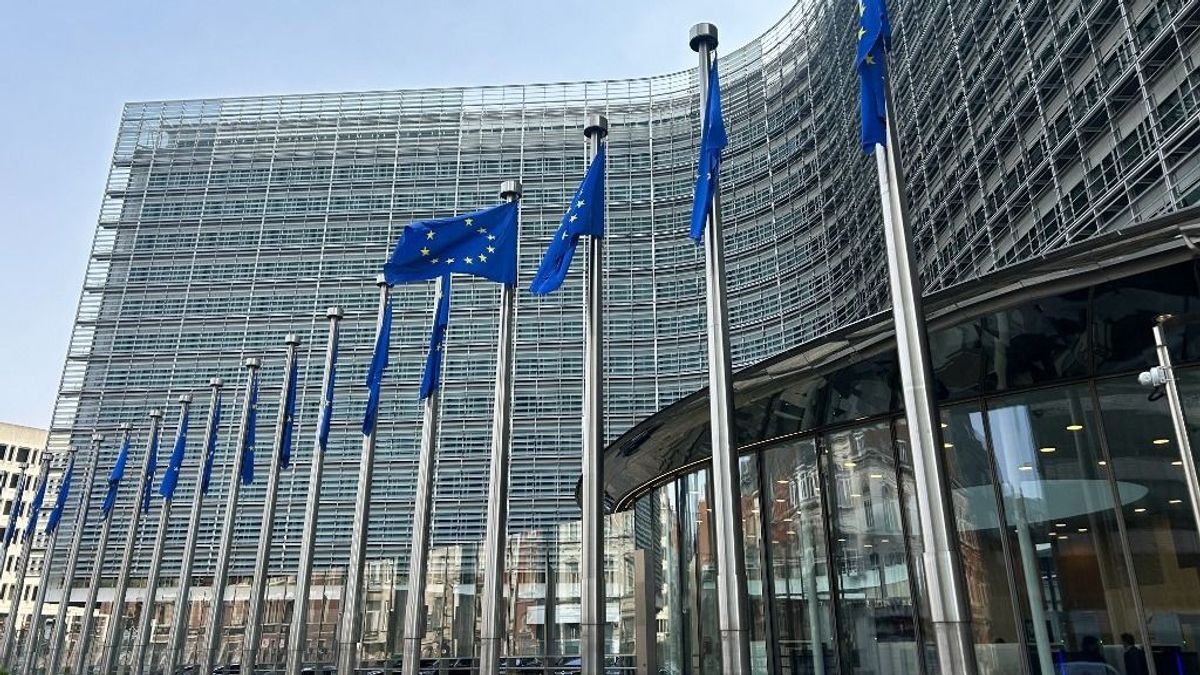
Bringing Home EU Funds Won't Be Easy for Hungary
Translated from Hungarian, summarized and contextualized by DistantNews.
TLDR
- Hungary's new government faces the dual task of reclaiming frozen EU funds and applying for future support within the next budget cycle.
- Significant EU resources are at stake, with only 53.2% of cohesion funds for 2021-2027 decided and only 21% disbursed, indicating a critical need to secure these funds for economic development.
- The process will not be easy, as the European Commission is imposing strict conditions and expecting reforms that the previous government did not implement, tying fund availability to concrete results.
Hungary stands at a critical juncture, with its new government tasked with the complex challenge of unlocking vital European Union funds. The promise to bring home frozen EU money is a key pledge, but securing these resources, alongside applying for future support, will be far from straightforward. Experts highlight that significant financial stakes are involved, with a substantial portion of the 2021-2027 cohesion funds still undecided and even less disbursed.
The path forward is fraught with difficulty. Reports indicate that the European Commission will impose stringent conditions on the new administration, demanding specific reforms that were previously resisted. This suggests that the release of frozen funds will be directly tied to tangible progress and results, leaving no room for exceptions. The urgency is palpable, as the current EU budget cycle is nearing its end, while negotiations for the next one are already commencing, requiring the government to navigate these challenges on multiple fronts simultaneously.
Furthermore, the utilization of these funds presents another area of uncertainty. EU support is not a blank check; it cannot be used to directly reduce budget deficits. Typically, member states establish partnership agreements with the Commission outlining development plans aligned with EU objectives. Hungary's current agreement was finalized in late 2022. Given the lengthy process of negotiating such agreements, it is unlikely that a new one will be forged with the current administration. Instead, funds will likely be utilized within the framework of the existing agreement, with minor adjustments to programs.
From a Hungarian perspective, the successful acquisition and strategic deployment of these EU funds are paramount for economic growth and development. The government's ability to navigate the EU's bureaucratic and political landscape, while fulfilling reform requirements, will be a defining test of its efficacy. The focus will likely shift towards how these principles are applied in the next budget cycle, where the new government will have more agency in shaping the partnership agreement, provided it aligns with the priorities set by the European Commission and the Council.
DistantNews Editorial
Originally published by Magyar Nemzet in Hungarian. Translated, summarized, and contextualized by our editorial team with added local perspective. Read our editorial standards.
More Stories


From Our Blog

Countries Without a Free Press: What You Need to Know

What Press Freedom Means for the News You Read

What Gets Lost (and Found) When News Is Translated

The Critical Role of Diaspora Media in Global News

What Travellers Should Know About Countries with Restricted Press
