

Budapest Mayor: City in Severe Financial Crisis, Unable to Pay Solidarity Contributions
Translated from Hungarian, summarized and contextualized by DistantNews.
TLDR
- Budapest Mayor Gergely Karácsony states the city is in severe financial distress, unable to even pay solidarity contributions.
- Karácsony expressed readiness to cooperate with the new government led by Tisza Party, while dismissing speculation about his early removal from office.
- The mayor's comments were made during an appearance on an Index program, highlighting the capital's dire economic situation.
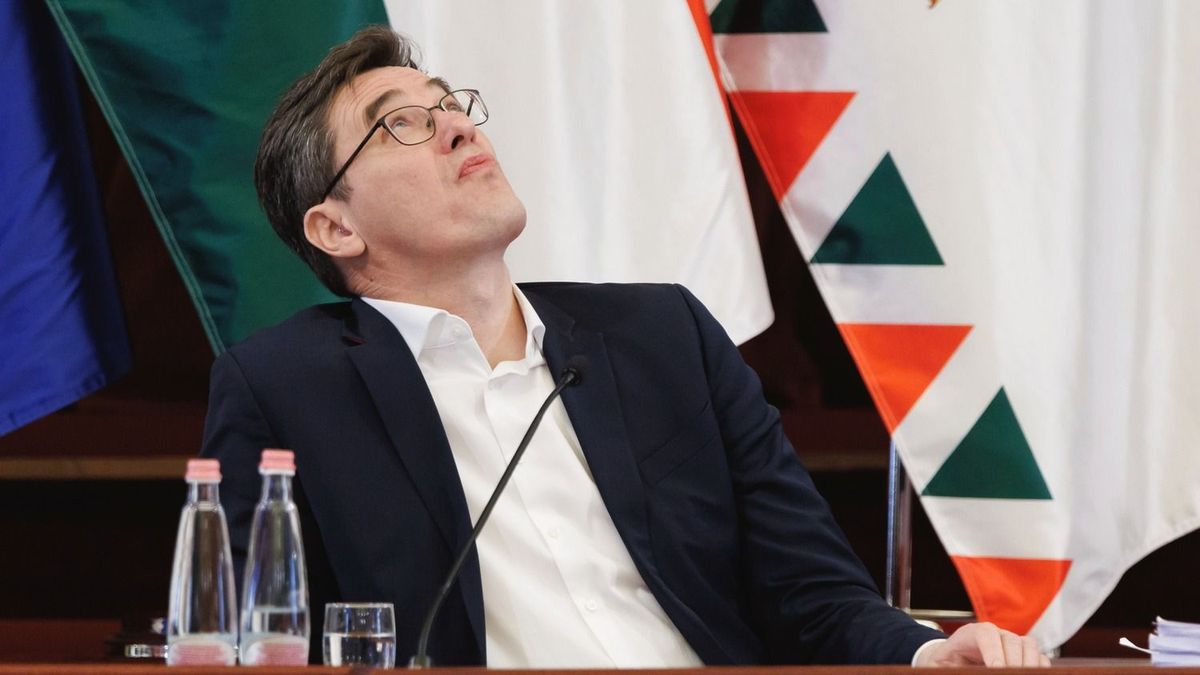
Budapest Mayor Gergely Karácsony has painted a stark picture of the capital's financial health, declaring that the city is facing such severe economic difficulties that it cannot even meet its solidarity contribution obligations. Speaking on an Index program, Karácsony outlined the dire situation, emphasizing that Budapest's financial standing has deteriorated significantly. This admission comes as the new government, led by the Tisza Party, is set to take the helm, prompting the mayor to signal his willingness to cooperate with the incoming administration.
Karácsony directly addressed and rejected political speculation suggesting that he might be prematurely removed from his position as mayor. His comments aim to preemptively counter any narratives that might seek to destabilize his leadership or exploit the city's financial woes for political gain. By stating his intention to work with the new government, he positions himself as a pragmatic leader focused on addressing Budapest's pressing issues, rather than engaging in partisan battles.
From the perspective of Magyar Nemzet, a publication often aligned with conservative viewpoints, Karácsony's statements would likely be framed within the context of the previous government's alleged mismanagement or the inherent challenges of governing a large capital city. The emphasis might be on the financial burden placed upon the city and the need for responsible fiscal management under the new Tisza Party leadership. While Karácsony expresses a desire for cooperation, the underlying narrative could subtly question the effectiveness of his tenure or highlight the difficult inheritance he faces. This contrasts with how a Western publication might report on municipal finances, potentially focusing more on policy solutions or broader economic trends. Here, the focus is on the immediate political implications and the stark financial reality as presented by the mayor himself, reflecting a national discourse where municipal finances are often deeply intertwined with national politics and party affiliations.
DistantNews Editorial
Originally published by Magyar Nemzet in Hungarian. Translated, summarized, and contextualized by our editorial team with added local perspective. Read our editorial standards.
More Stories



From Our Blog

Countries Without a Free Press: What You Need to Know

What Press Freedom Means for the News You Read

What Gets Lost (and Found) When News Is Translated

The Critical Role of Diaspora Media in Global News

What Travellers Should Know About Countries with Restricted Press
