

BUDGET 2026-27: Budget approval in final stages as grants finalised
Summarized and contextualized by DistantNews.
At a glance
News
Sources not specified
Approved/passed
- Pakistan's National Assembly approved budgetary allocations for federal ministries, passing 135 demands for grants for the fiscal year 2026-27.
- The opposition moved 587 cut motions, primarily targeting the interior and food ministries, but all were rejected by a majority vote.
- Lawmakers criticized the interior ministry for poor performance on law and order, while also debating agricultural sector issues.
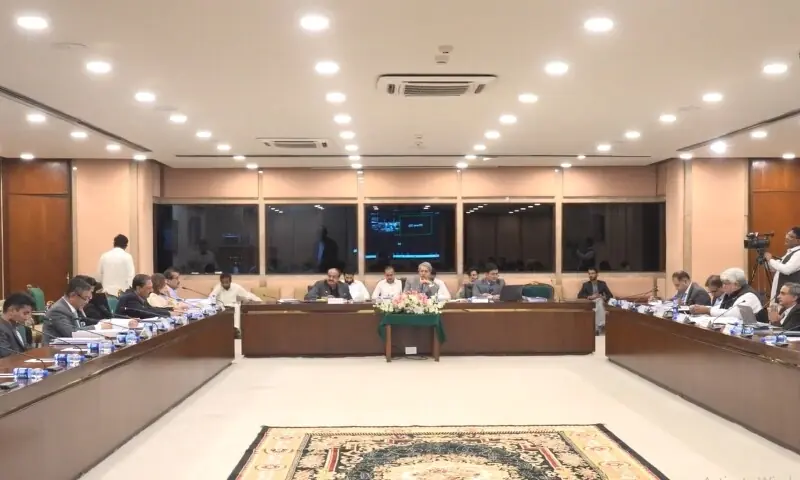
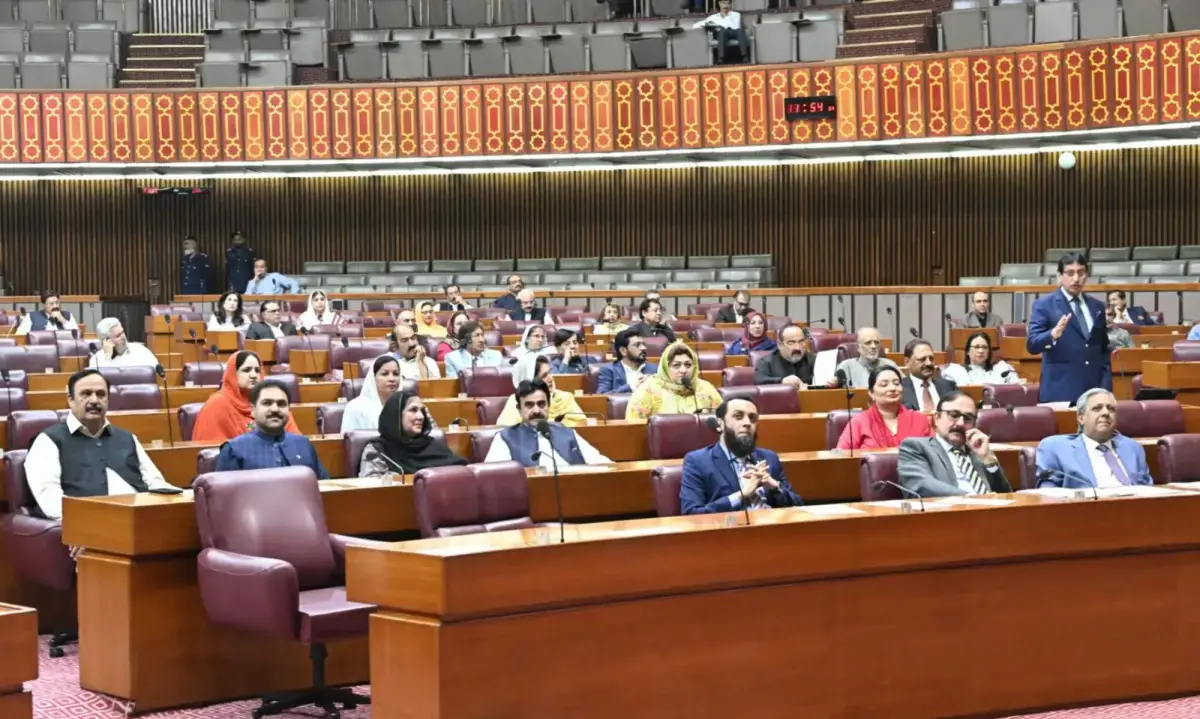
Pakistan's National Assembly concluded the approval of budgetary allocations for federal ministries and departments, endorsing 135 demands for grants for the upcoming fiscal year 2026-27. This process spanned two days, during which the opposition introduced 587 cut motions, with 380 submitted on the final day. All these motions were ultimately rejected through a majority vote.
The failure of just one ministry has not only destroyed the economy of the country but also divided the society.
The house is now set to deliberate on the finance bill and related fiscal measures before the final budget passage. During the debates on allocations, National Assembly TV and its social media channels reportedly broadcast opposition speeches in a censored manner, muting sentences critical of Imran Khan and state institutions.
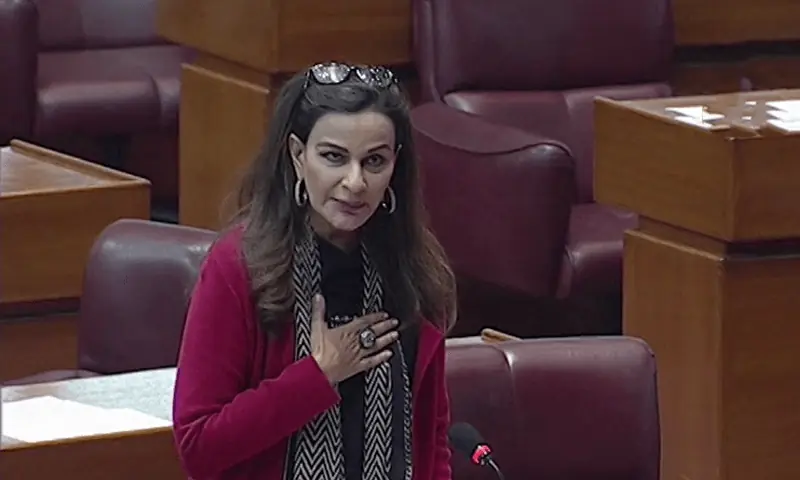
The interior ministry faced significant criticism, with the opposition submitting 123 cut motions. Lawmakers slammed its performance and that of its attached departments, including the FIA, ANF, and NCCCIA. PTI MNA Shandana Gulzar argued that Pakistan's lack of investment stemmed from its poor law and order situation, with online hate speech further polarizing society. She stated the ministry's failures had damaged the economy and divided society, citing killings by terrorists, criminals, and law enforcers. Criticism also extended to cybercrime cases registered over political dissent.
Mr Speaker, we acknowledge that criticising the state is not correct, but Maryam Nawaz is not the state; she is the political head of a province.
Additionally, 112 cut motions were submitted concerning the food ministry, with calls for measures to reduce fertilizer rates and introduce crop insurance. PTI Chief Whip Amir Dogar highlighted the exploitative nature of the market, noting farmers' complaints about low produce prices while consumers face high prices for agricultural products. Some speakers praised the civil and military leadership's role during the session.
A strange part of the story is that farmers decry low rates of their produce, while the buyers, mainly the urban consumers, complain about high prices of agricultural products.
DistantNews Editorial
Originally published by Dawn. Summarized and contextualized by our editorial team with added local perspective. Read our editorial standards.
More Stories
From Our Blog

What Gets Lost (and Found) When News Is Translated

The Critical Role of Diaspora Media in Global News

What Travellers Should Know About Countries with Restricted Press

A Digital Nomad's Guide to Following Local News

How the Same Story Looks Different in Different Countries
