

Pakistan budget panel proposes 30 changes to Finance Bill
Translated from English, summarized and contextualized by DistantNews.
At a glance
News
Sources not specified
New plan
- Pakistan's National Assembly committee approved the Finance Bill 2026 with approximately 30 amendments, reshaping tax provisions.
- Key changes include installment-based tax on imported mobile phones, mandatory digital monitoring for manufacturers, and revised import duties for electric vehicles.
- The amended bill will be presented to the National Assembly for final approval, incorporating recommendations from the Senate committee.
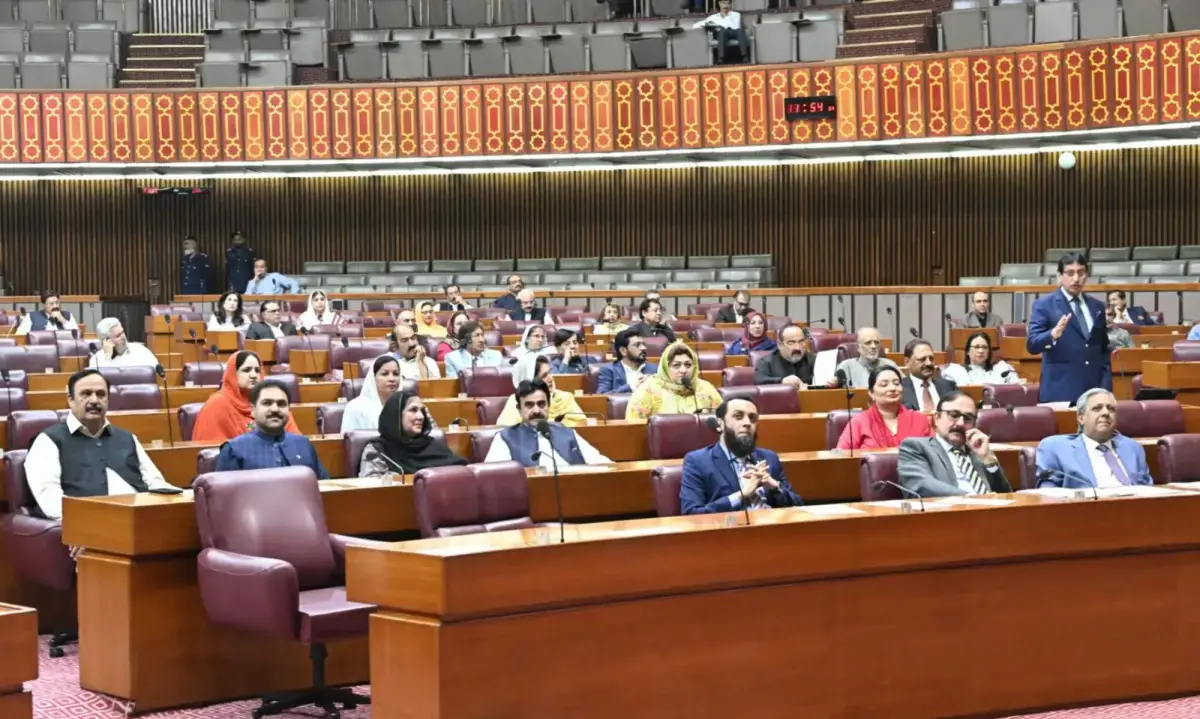
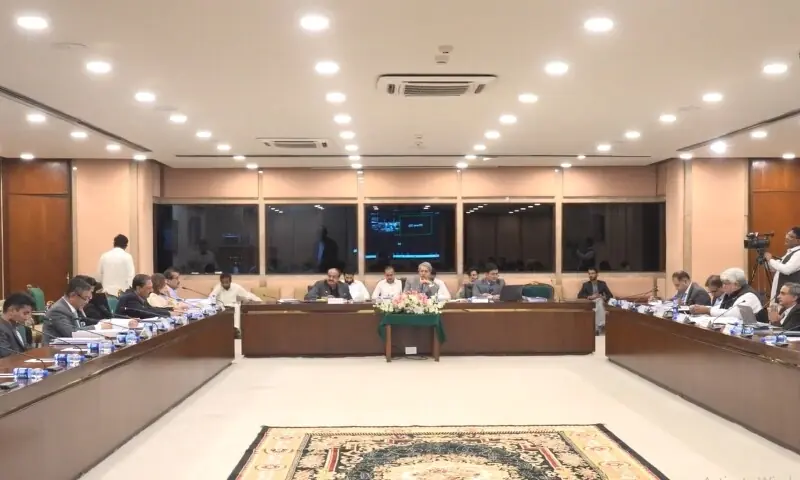
Pakistan's National Assembly Standing Committee on Finance has approved the Finance Bill 2026, incorporating about 30 significant amendments. These changes reshape key tax provisions, focusing on revised rates, enforcement mechanisms, deletions, and new insertions. The amended bill now moves to the National Assembly for final approval, following 123 recommendations submitted by the Senate committee.
Notable proposed measures include an installment-based tax collection system for imported mobile phones via the Pakistan Telecommunication Authority's device system. The committee also eased penalty structures, expanded exemptions, reduced tax rates for wholesalers, and revised the import regime for electric vehicles. Some proposed measures, like those linked to the petroleum levy, were dropped, while new enforcement tools were added to bolster compliance. These include mandatory digital production monitoring for manufacturers, faceless tax assessments, and an algorithm-based dispute resolution mechanism.
In customs laws, tighter administrative controls were introduced, requiring board-level decisions for ministerial approval and mandating competitive procurement. The limitation period for certain actions was reduced from 10 to 5 years, with safeguards ensuring affected parties are heard before orders are issued, unless assets are at risk of dissipation. Chartered accountants will also join customs and tax proceedings as non-voting members.
The steel sector may see sales tax collection linked to per-unit electricity consumption, including captive power. Special concessions are proposed for footwear businesses integrated with digital systems and point-of-sale data. Confiscated goods will be auctioned, potentially via electronic platforms.
DistantNews Editorial
Originally published by Dawn in English. Translated, summarized, and contextualized by our editorial team with added local perspective. Read our editorial standards.
More Stories


From Our Blog

What Gets Lost (and Found) When News Is Translated

The Critical Role of Diaspora Media in Global News

What Travellers Should Know About Countries with Restricted Press

A Digital Nomad's Guide to Following Local News

How the Same Story Looks Different in Different Countries
