


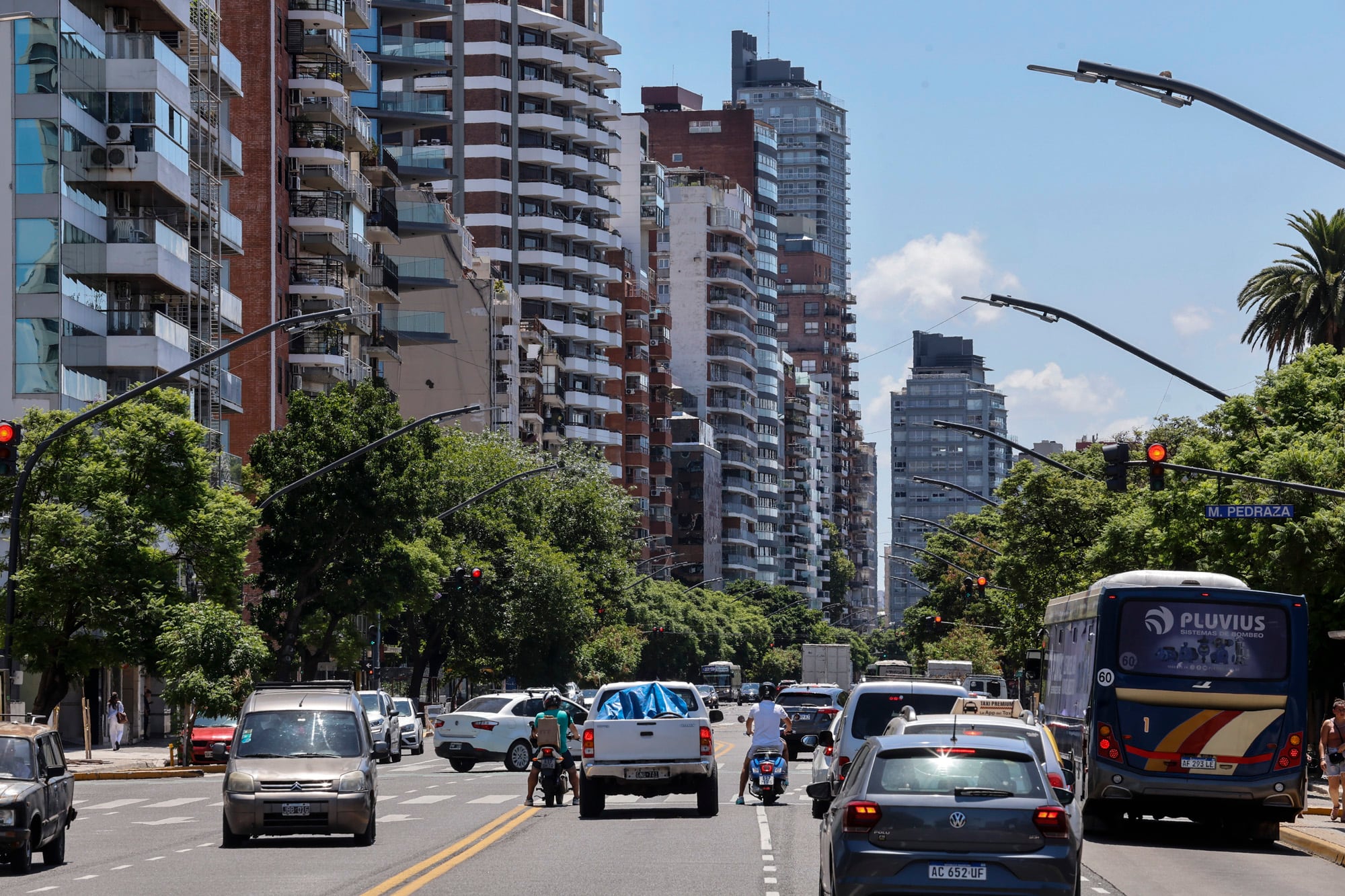
Buenos Aires Real Estate: Rentals Surge as Prices Remain Flat
Translated from Spanish, summarized and contextualized by DistantNews.
TLDR
- Buenos Aires' real estate market sees rental prices rising significantly faster than inflation, making renting a profitable investment.
- The annual gross return on rental investments reached 5.83% in April, the highest since 2012, with investment recovery time decreasing.
- While property sales show slight growth, rental demand and supply are the primary drivers of the real estate sector.
The real estate sector in Buenos Aires is undergoing a significant transformation, with rental properties emerging as the main engine of growth. While property sale prices remain largely stagnant, developers grapple with high construction costs and diminished profitability, the rental market is experiencing a robust upswing. Rental prices published on real estate platforms are consistently climbing, outpacing inflation throughout the year and making rental investments increasingly attractive for investors.
In this scenario, the prices of rents published on real estate sites continue to rise and so far this year the increase already exceeds inflation.
According to the latest report from the real estate platform Zonaprop, the annual gross return on rental investments hit 5.83% in April, a level not seen since 2012. This signifies a substantial improvement, with the time required to recoup initial investment decreasing by 10.3% compared to the previous year. The equation is clear: renting has once again become a lucrative business. This favorable scenario is driven by a combination of factors, including a modest 0.4% increase in the average price per square meter for apartments in the City of Buenos Aires (CABA) so far in 2026, alongside a significant 34% rise in monthly rental prices over the past 12 months.
the return gross annual reached 5.83%, the highest level since 2012.
This surge in rental income has directly improved the rent-to-price ratio, prompting a market reaction. The supply of rental properties has grown accordingly, with rental listings increasing by 11.1% year-on-year in April, tripling the historical low recorded in 2023. This trend is particularly noteworthy as it occurs while the property sales market, despite showing minor signs of growth with a 17.8% increase in deeds registered in March compared to the previous year, still lags behind rentals. The continued strength of the mortgage credit market has not yet fully revitalized property sales to the extent that rentals now dominate the real estate landscape. From the perspective of La Nación, this data highlights a dynamic shift, where the rental market, driven by strong returns, is currently the primary focus for investors and a key indicator of the city's real estate health.
It takes 17.2 years to recover the initial investment, 10.3% less than a year ago.
DistantNews Editorial
Originally published by La Nación in Spanish. Translated, summarized, and contextualized by our editorial team with added local perspective. Read our editorial standards.
More Stories



From Our Blog

What Gets Lost (and Found) When News Is Translated

The Critical Role of Diaspora Media in Global News

What Travellers Should Know About Countries with Restricted Press

A Digital Nomad's Guide to Following Local News

How the Same Story Looks Different in Different Countries
