

Bulgaria's 'liquid gold': The precious rose oil that costs a fortune
Translated from Romanian, summarized and contextualized by DistantNews.
At a glance
In-depth
Sources not specified
Context piece
- "Liquid gold," a highly prized natural extract, is derived from the fragrant Rosa damascena flower, primarily cultivated in Bulgaria.
- This rose oil is more valuable than gold and is a significant national product for Bulgaria, which produces over half of the world's premium rose oil.
- The Rosa damascena, a hybrid with origins in Iran and Syria, thrives uniquely in Bulgaria's climate, yielding superior quality oil.
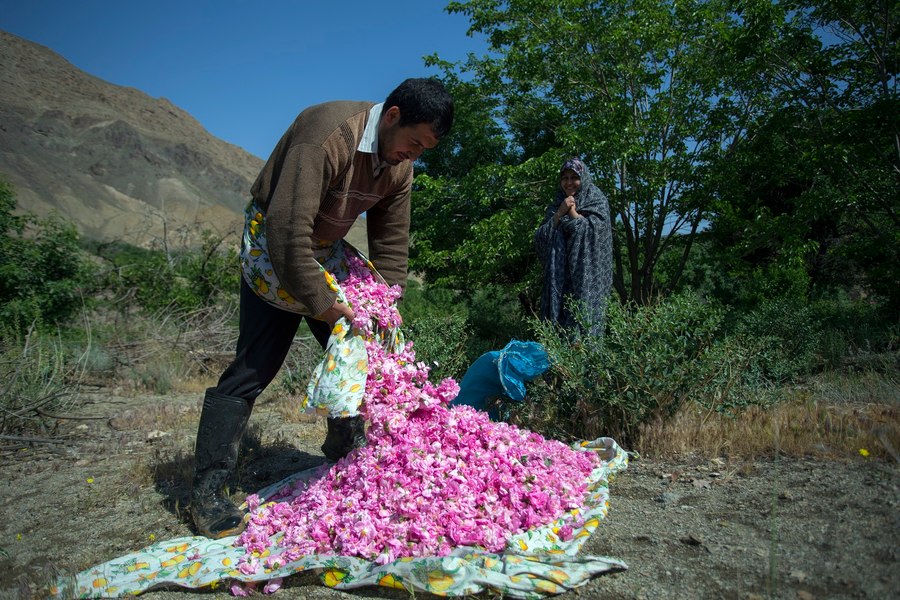
Known as "liquid gold," an exceptionally valuable natural extract is produced from the intensely fragrant Rosa damascena flower, a variety of rose with origins tracing back to Iran and Syria. This precious oil, highly sought after in the luxury perfume market, has become a cornerstone of Bulgaria's national economy.
Bulgaria is the world's leading producer of premium rose oil, accounting for more than half of the global supply. The country's unique climate provides an ideal environment for the cultivation of Rosa damascena, resulting in an oil of unparalleled quality. This makes the Bulgarian rose oil significantly more valuable than gold, capable of generating substantial wealth for those involved in its cultivation and extraction.
The Rosa damascena itself is not a wild plant but a hybrid created over three millennia ago. Scientific understanding suggests it is a cross between Rosa moschata and Rosa gallica, further hybridized with Rosa fedtschenkoana. While its origins are linked to Central Asia, Iran, and Syria, its cultivation flourished, with its tradition recognized by UNESCO as part of Syria's cultural heritage in 2019. The flower's beauty, delicacy, and especially its rich perfume have been celebrated for centuries, cementing its status as a national symbol in Iran and a vital economic asset for Bulgaria.
DistantNews Editorial
Originally published by Adevărul in Romanian. Translated, summarized, and contextualized by our editorial team with added local perspective. Read our editorial standards.
More Stories


From Our Blog

What Gets Lost (and Found) When News Is Translated

The Critical Role of Diaspora Media in Global News

What Travellers Should Know About Countries with Restricted Press

A Digital Nomad's Guide to Following Local News

How the Same Story Looks Different in Different Countries
