


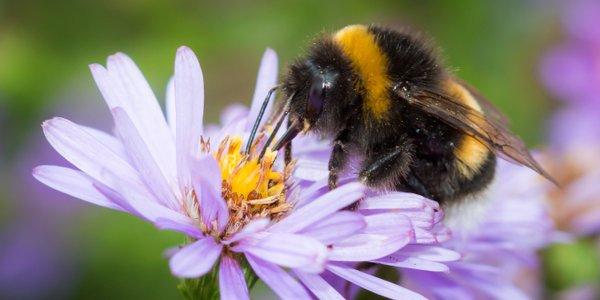
Bumblebees More Heavily Contaminated by Metals Than Honeybees, Study Finds
Translated from Polish, summarized and contextualized by DistantNews.
At a glance
News
Sources not specified
Context piece
- Bumblebees accumulate significantly higher levels of heavy metals, such as arsenic and lead, from pollen compared to honeybees.
- Researchers found that metals in pollen and adult bumblebees were three times higher than in honeybees, potentially impairing their learning, navigation, and reproduction.
- Differences in nesting habits, colony size, foraging behavior, and physical characteristics likely contribute to bumblebees' greater vulnerability to metal contamination.
Bumblebees are far more susceptible to heavy metal contamination than honeybees, accumulating up to seven times more toxic metals in the pollen they collect, according to a new study. Researchers from the University of Cambridge found that metals like arsenic, cadmium, chromium, cobalt, lead, and tin were significantly more concentrated in pollen gathered by bumblebees compared to that collected by honeybees foraging in the same landscapes.
The study, published in 'Ecological Entomology,' revealed that not only the pollen but also the adult bumblebees themselves showed approximately three times higher concentrations of these heavy metals. This heightened exposure can severely impact their cognitive functions, including learning and memory, disrupt their ability to navigate and find food, reduce reproductive success, and negatively affect the development of their offspring.
Scientists suggest several factors contribute to this disparity. Bumblebees often nest underground or in leaf litter, increasing their contact with localized soil contaminants. Their smaller colony sizes, typically ranging from 50 to 500 individuals, make them more vulnerable to the loss of workers compared to honeybee colonies, which can house 30,000 to 60,000 bees.
Furthermore, foraging habits play a crucial role. Bumblebees tend to collect pollen from fewer plant species and closer to their nests, usually within a 1.5-kilometer radius. This concentrated foraging makes them more exposed to any contaminants present in specific plants or local areas. In contrast, honeybees forage more widely, often up to 10 kilometers away, and from a greater variety of plants, which dilutes the impact of any single contaminated source. Bumblebees' hairier bodies also make them more prone to collecting contaminated dust particles.
DistantNews Editorial
Originally published by Rzeczpospolita in Polish. Translated, summarized, and contextualized by our editorial team with added local perspective. Read our editorial standards.
More Stories



From Our Blog

What Gets Lost (and Found) When News Is Translated

The Critical Role of Diaspora Media in Global News

What Travellers Should Know About Countries with Restricted Press

A Digital Nomad's Guide to Following Local News

How the Same Story Looks Different in Different Countries
