



Bundesbank Suggests Linking Digital Euro with Wero Payment System
Translated from German, summarized and contextualized by DistantNews.
At a glance
News
Named sources
New plan
- The Bundesbank suggests integrating the digital euro with the existing Wero payment system to enhance European digital payment independence.
- Wero, already operational in several European countries, allows mobile money transfers, similar to US competitors like PayPal.
- Integrating the digital euro, planned for 2029, could create a seamless European payment ecosystem and avoid market fragmentation.
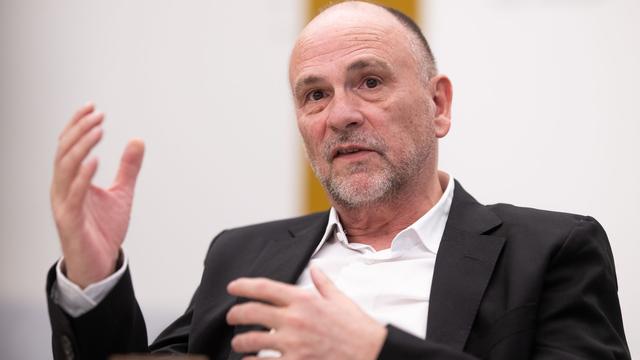
Germany's central bank, the Bundesbank, is proposing a strategic integration of the upcoming digital euro with the Wero payment system. Bundesbank Executive Board member Lutz Lienenkämper suggested that linking the digital euro to the Wero Wallet could significantly expand the reach of European payment solutions.
The goal is to foster a unified European digital payment landscape, preventing the emergence of competing, fragmented systems. Lienenkämper stated, "This could increase the reach of European payment offerings and help ensure that new solutions do not stand side-by-side but work together seamlessly."
It would be conceivable, for example, to integrate the digital euro into the Wero Wallet.
Wero, developed by the European Payments Initiative (a consortium of banks and payment service providers), already enables users to send money mobilely, akin to services like PayPal or Google Pay. It is currently available in Belgium, France, and Germany, with 57 million registered users.
The digital euro, which the European Central Bank is developing for a planned launch in 2029, aims to offer similar functionalities. However, some critics argue that the digital euro project might be redundant given Wero's established presence. The Bundesbank's proposal seeks to preemptively address potential competition and create a more cohesive European digital payment infrastructure.
This could increase the reach of European payment offerings and help ensure that new solutions do not stand side-by-side but work together seamlessly.
DistantNews Editorial
Originally published by Die Zeit in German. Translated, summarized, and contextualized by our editorial team with added local perspective. Read our editorial standards.
More Stories

From Our Blog

What Gets Lost (and Found) When News Is Translated

How the Same Story Looks Different in Different Countries

The Critical Role of Diaspora Media in Global News

What Travellers Should Know About Countries with Restricted Press

A Digital Nomad's Guide to Following Local News
