


Burgundy's Wine History: From Roman Roots to Modern Challenges
Translated from Hungarian, summarized and contextualized by DistantNews.
TLDR
- The history of winemaking in Burgundy dates back to Roman times, with evidence suggesting early viticulture and self-sufficiency in wine production by the 2nd century AD.
- Monastic orders played a significant role in developing vineyards and understanding the concept of 'terroir' from the early Middle Ages onwards.
- Despite periods of hardship, including frost and drought in recent years, Burgundy's wine region continues to be a prime example of matching grape varietals to specific geological conditions.
Burgundy, a region synonymous with some of the world's most revered wines, boasts a viticultural history stretching back millennia. As explored in Magyar Nemzet, the story of Burgundy's wine is deeply intertwined with its land, its people, and its resilience through centuries of change.
The earliest evidence points to Celtic inhabitants cultivating grapes even before the Roman conquest in 51 BC. By the 1st century AD, Roman villas near Gibriacum (modern Gevrey-Chambertin) were likely utilizing local vineyards. The absence of Italian amphorae after the mid-2nd century suggests the region achieved self-sufficiency, a testament to its early potential.
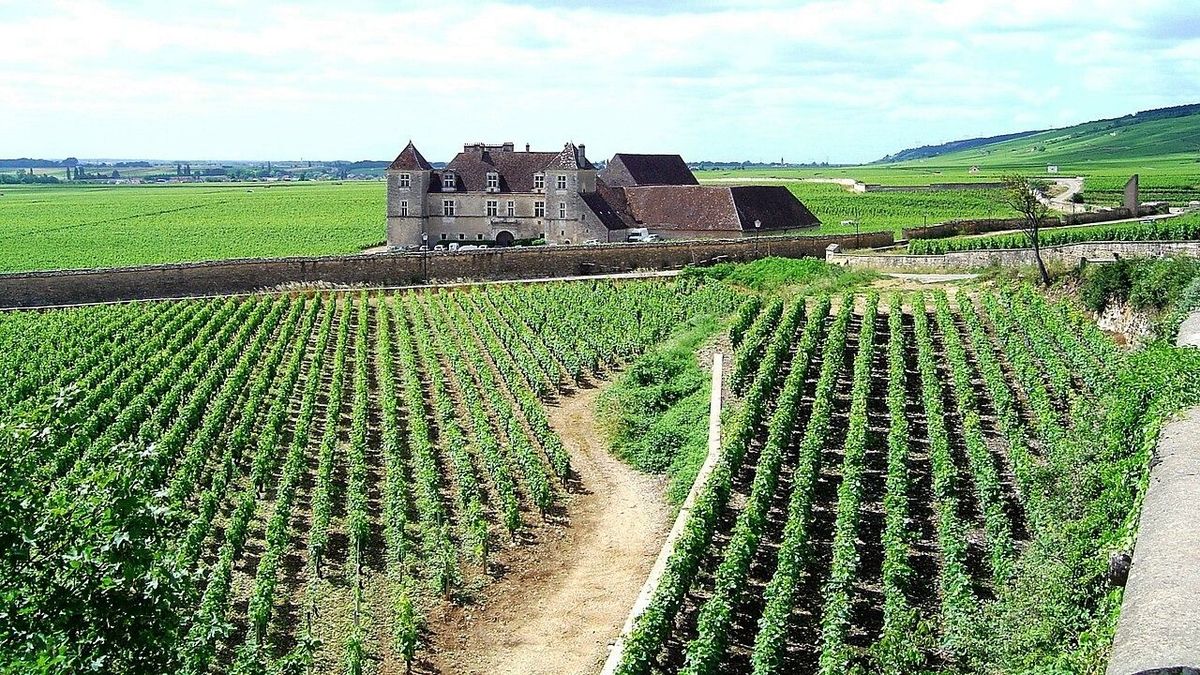
Written records from 312 AD, during Emperor Constantine's reign, paint a picture of hardship, with abandoned vineyards mentioned in Autun. However, by the 4th century, commercial viticulture was clearly on the rise. The monks of Cîteaux, establishing vast estates and vineyards like Clos Vougeot, were instrumental in refining winemaking techniques and solidifying the crucial link between the land and wine quality – the very concept of 'terroir' that Burgundy champions today.
Even in the 20th century, the region faced challenges, with employees purchasing vineyards to save them during the interwar period. The establishment of the AOC system in 1935 and the 'Chevaliers du tastevin' brotherhood further cemented Burgundy's unique identity. Despite recent setbacks, such as devastating frosts in 2024 and drought in 2025 impacting harvests, Burgundy's dedication to meticulously matching grape varietals like Chardonnay and Pinot Noir to specific soil types—limestone for Chardonnay, marl and clay for Pinot Noir—remains unparalleled, showcasing a deep respect for the land that defines its exceptional wines.
DistantNews Editorial
Originally published by Magyar Nemzet in Hungarian. Translated, summarized, and contextualized by our editorial team with added local perspective. Read our editorial standards.
More Stories



From Our Blog

Countries Without a Free Press: What You Need to Know

What Press Freedom Means for the News You Read

What Gets Lost (and Found) When News Is Translated

The Critical Role of Diaspora Media in Global News

What Travellers Should Know About Countries with Restricted Press
