

/nginx/o/2026/08/26/17878107t1hc2a8.jpg)
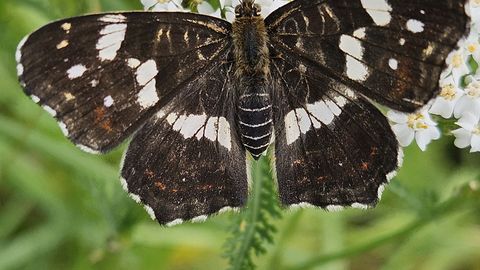
Butterfly's wing color depends on day length, science notes
Translated from Estonian and summarized by DistantNews. Read the original for the full story.
At a glance
News
Sources not specified
Context piece
- The wing color of this year's butterfly, the Comma butterfly, is determined by variations in day length and temperature during its caterpillar stage.
- Comma butterflies with dark wings emerge when the day length is 16 hours, while those emerging in spring after overwintering have orange wings if the day length is 15.5 hours or shorter.
- The article also touches on the development of new nuclear reactor technologies, including subcritical reactors, and Europe's position in this race.
The wing coloration of this year's designated butterfly, the Comma butterfly (Nymphalis c-album), is a fascinating result of environmental factors during its development. Katre Palo, executive editor for Estonian nature and science magazines, explains that variations in day length and temperature significantly influence the butterfly's wing color.
Specifically, when the day length reaches 16 hours during the caterpillar's growth period, the resulting Comma butterflies develop dark wings. Conversely, if the day length is 15.5 hours or shorter, a larger portion of the caterpillars overwinter as pupae. Those that emerge in the spring will then display butterflies with a predominantly orange upper wing surface.
Beyond color, differences between generations include body and wing size. The article also briefly touches upon advancements in nuclear technology, mentioning the development of new-generation reactors that are safer, produce less waste, and can generate high temperatures suitable for industrial use. Europe's standing in this technological race, particularly concerning subcritical reactors, is also noted.
About this summary
Originally published by Postimees in Estonian. Translated, summarized, and contextualized automatically by DistantNews, with a note on how the source frames the story. Not individually reviewed before publishing. How this works.
More Stories

From Our Blog

What Gets Lost (and Found) When News Is Translated

The Critical Role of Diaspora Media in Global News

What Travellers Should Know About Countries with Restricted Press

A Digital Nomad's Guide to Following Local News

How the Same Story Looks Different in Different Countries
