

Moon's shadowed craters may harbor life, NASA study suggests
Translated from Estonian, summarized and contextualized by DistantNews.
At a glance
News
Sources not specified
Context piece
- A new NASA study suggests that shadowed regions near the Moon's poles may offer a safe haven for microbes.
- These "cold traps" are shielded from harsh radiation and could act as natural freezers.
- The findings raise questions about the Moon's potential for life, accidental contamination, and traces of Earth's past.
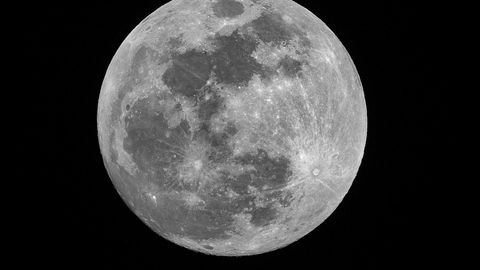
The Moon, often perceived as a lifeless, dusty rock, might harbor more complexity than previously thought, according to a recent NASA study. Scientists have discovered that certain shadowed areas near the lunar poles could provide an unexpectedly secure refuge for microbial life.
These regions, known as "cold traps," are shielded from the Moon's harsh radiation. This protection allows them to function as natural deep freezes, potentially preserving organic matter or even dormant microorganisms. The implications of this discovery are far-reaching, prompting new considerations about the boundaries of life and the possibility of accidental contamination.
The study's findings open up avenues for further research into the Moon's environment. Understanding these cold traps could be crucial for future lunar exploration missions, particularly in preventing the introduction of Earth-based microbes. It also sparks curiosity about whether these areas might hold clues to Earth's own past, perhaps through ancient biological material that could have been transported to the Moon.
DistantNews Editorial
Originally published by Postimees in Estonian. Translated, summarized, and contextualized by our editorial team with added local perspective. Read our editorial standards.
More Stories


/nginx/o/2026/08/21/17867439t1h7798.jpg)
From Our Blog

What Gets Lost (and Found) When News Is Translated

The Critical Role of Diaspora Media in Global News

What Travellers Should Know About Countries with Restricted Press

A Digital Nomad's Guide to Following Local News

How the Same Story Looks Different in Different Countries
