

Can Europe stay united in China trade battle? Ceuta migrant crisis offers a warning
Summarized and contextualized by DistantNews.
At a glance
News
Named sources
Context piece
- A border crisis in Ceuta, a Spanish enclave in North Africa, has exposed divisions within the European Union ahead of planned trade policy discussions with China.
- The crisis, triggered by a surge of migrants from Morocco, has led to suspicions that Morocco weaponized migrant flows in response to Spanish overtures to Algeria.
- The incident raises questions about the EU's preparedness for potential economic coercion from major powers like China.
Europe's traditional August break was meant to offer a pause before tackling a challenging autumn of trade relations with China. However, a migrant crisis on the EU's southern border has instead created internal turmoil, casting doubt on the bloc's readiness for economic confrontations.
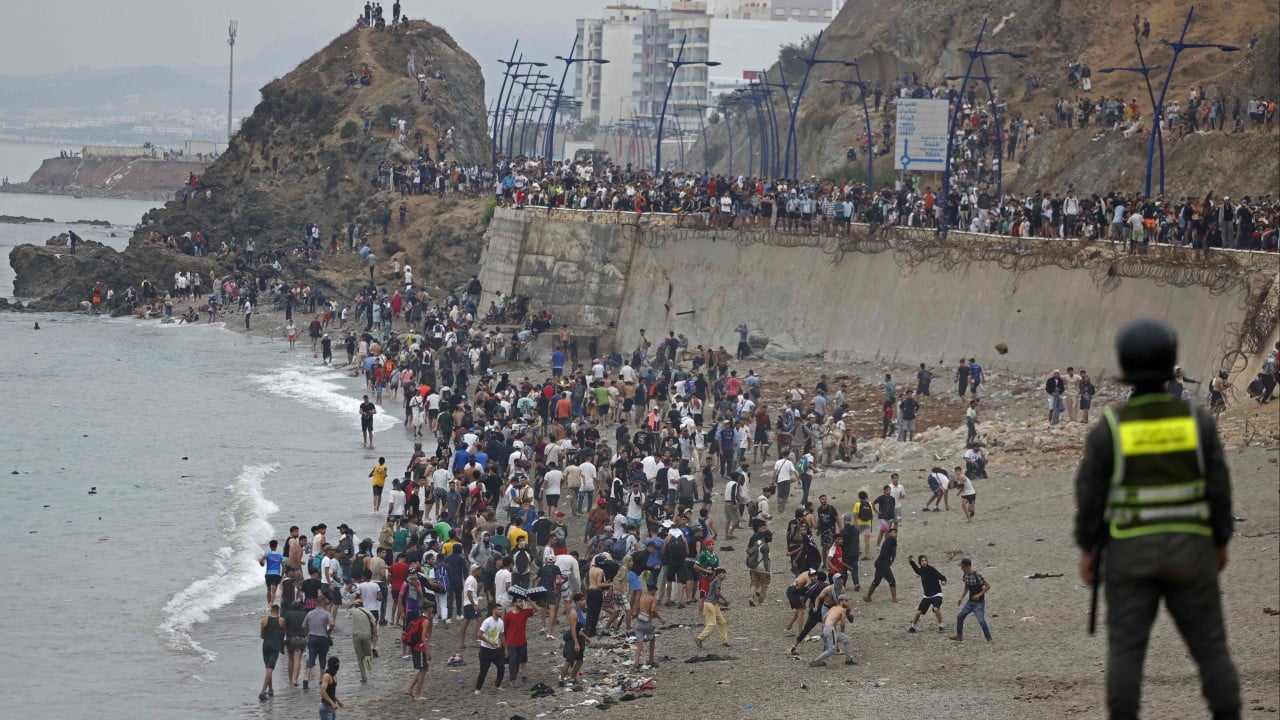
The crisis erupted when an estimated 72,000 migrants, primarily from Morocco, entered Ceuta, a Spanish territory in North Africa, after Moroccan border controls appeared to falter. The influx, which resulted in at least 75 deaths, has fueled suspicions that Moroccan authorities deliberately used the migrant surge as leverage, possibly in retaliation for Spain's improved ties with Algeria, a rival to Morocco.
"We had a real-time test of what happens when one member state was under coercion," said Alberto Rizzi, a policy fellow at the European Council on Foreign Relations. "Everybody was very quick to jump on that." The incident has highlighted existing fault lines within the EU, with some member states expressing concerns about security and immigration policies, potentially complicating unified action on broader geopolitical and economic challenges.
We had a real-time test of what happens when one member state was under coercion. Everybody was very quick to jump on that.
DistantNews Editorial
Originally published by South China Morning Post. Summarized and contextualized by our editorial team with added local perspective. Read our editorial standards.
More Stories

From Our Blog

Countries Without a Free Press: What You Need to Know

What Press Freedom Means for the News You Read

What Gets Lost (and Found) When News Is Translated

The Critical Role of Diaspora Media in Global News

What Travellers Should Know About Countries with Restricted Press
