

How China’s hypersonic ‘carrier killers’ could distract US forces in a Taiwan conflict
Summarized and contextualized by DistantNews.
At a glance
News
Sources not specified
Context piece
- China's development of hypersonic anti-ship missiles, like the YJ-20, enhances its ability to deny access to adversaries in the first island chain.
- These missiles are part of Beijing's military modernization aimed at closing the gap with the US and establishing anti-access/area denial (A2/AD) capabilities.
- Analysts suggest these advanced weapons could divert US and allied naval forces during a potential conflict over Taiwan, impacting warfare strategies in the region.
China's advancements in hypersonic anti-ship missiles, exemplified by the YJ-20, are significantly bolstering its capabilities to deny access to adversaries within the crucial first island chain. This development is a key component of Beijing's broader military modernization drive, which aims to narrow the technological and strategic gap with the United States.
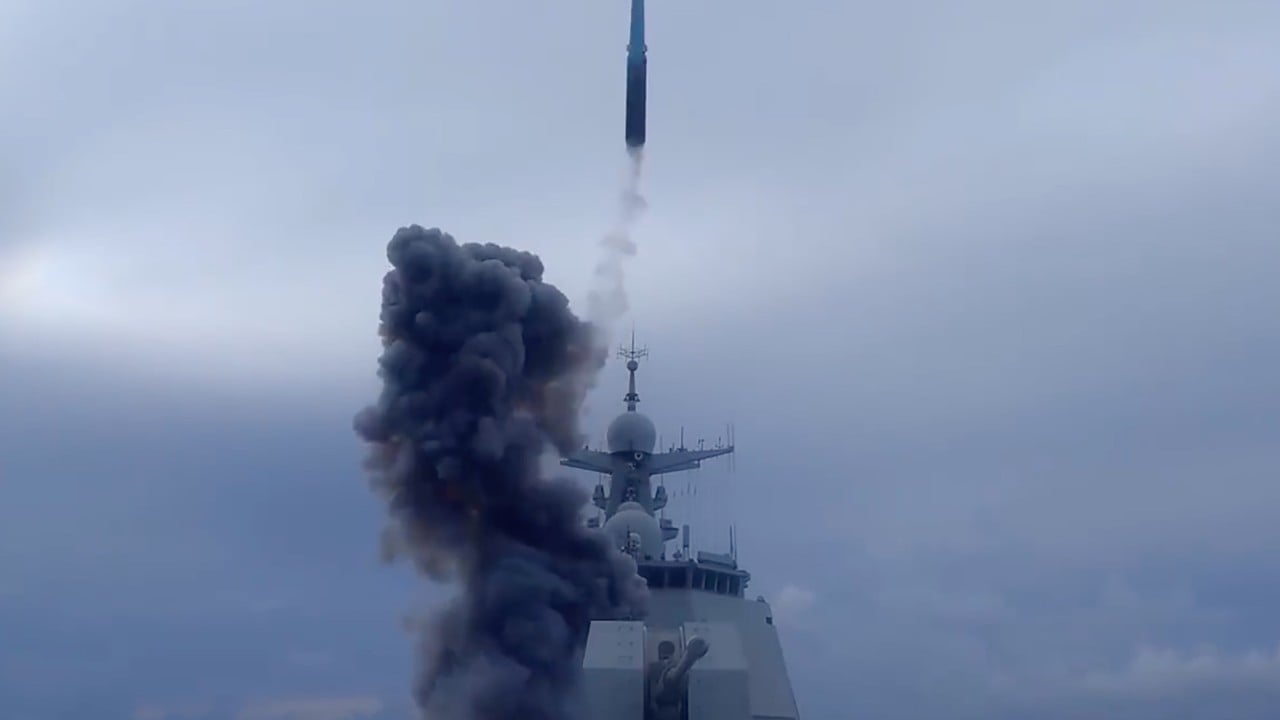
The YJ-20, one of China's first sea-based hypersonic anti-ship missiles to enter mass production, was showcased during a large military parade last year. Its deployment underscores the People's Liberation Army Navy's strategic focus on establishing robust anti-access/area denial (A2/AD) capabilities. The first island chain, stretching from Japan to Borneo and encompassing Taiwan, is a region where China asserts its influence and views Taiwan as a breakaway province to be reunified, by force if necessary.
The YJ-20 is one of China’s first sea-based hypersonic anti-ship missiles to have entered mass production, highlighting Beijing’s advances in its naval defence amid a military modernisation drive to narrow gaps with the US.
According to analysts, these advanced Chinese missile platforms could serve to divert US and allied naval forces during a contingency in the Taiwan Strait. Such a diversion would complicate warfare strategies for the US and its allies, potentially impacting their ability to project power and respond effectively in a conflict scenario over Taiwan. While most countries do not recognize Taiwan as an independent state, the United States remains opposed to any forceful reunification and is committed to supplying Taiwan with defensive weapons.
It illustrated the Chinese navy’s strategic focus on establishing robust anti-access/area denial (A2/AD) against adversaries across its coastal waters and the first island chain.
DistantNews Editorial
Originally published by South China Morning Post. Summarized and contextualized by our editorial team with added local perspective. Read our editorial standards.
More Stories


From Our Blog

Countries Without a Free Press: What You Need to Know

What Press Freedom Means for the News You Read

What Gets Lost (and Found) When News Is Translated

The Critical Role of Diaspora Media in Global News

What Travellers Should Know About Countries with Restricted Press
