

Candidate opposing sanctions won in Bulgaria
Translated from Hungarian, summarized and contextualized by DistantNews.
TLDR
- Rumen Radev's party won Bulgaria's latest election, marking the eighth election in five years amid political instability.
- Radev, a former air force commander, secured nearly 45% of the vote with his new party, defeating the pro-EU liberal coalition.
- The results are seen as a historic defeat for Bulgaria's traditional oligarchic elite, including former PM Boyko Borissov's GERB party.
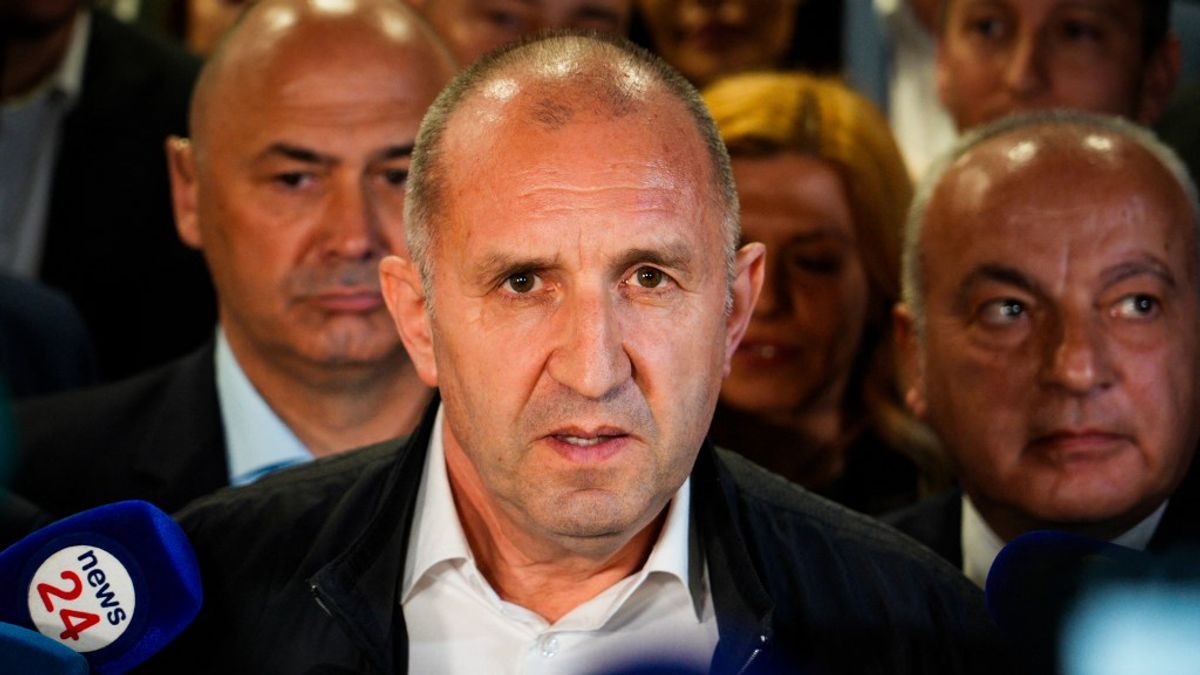
Bulgaria has once again gone to the polls, and the results of this eighth election in five years signal a significant shift in the country's political landscape. Rumen Radev, a 62-year-old former air force commander, has emerged victorious, leveraging the newly formed "Progressive Bulgaria" party to secure nearly 45% of the vote. This outcome effectively disrupts the long-standing political order and represents a clear rejection of the traditional parties that have dominated Bulgarian politics for years.
The election saw a pro-EU liberal reform coalition come in second with approximately 14% of the vote. Both Radev's camp and the liberal coalition have characterized the results as a historic blow to Bulgaria's oligarchic elite, specifically targeting former Prime Minister Boyko Borissov's GERB party, which garnered only 13% of the vote, and Deljan Peevski's DPS party, which secured just 5%. This fragmentation of the traditional power base suggests a populace weary of political stagnation and corruption.
Radev has built his political reputation on opposing the links between "mafiosi" and politics, positioning himself as a reformer. He directly accused Borissov and Peevski of heading the "oligarchic pyramid" that controls a "mafia state." While his opponents argue his policies often align with the Kremlin, particularly regarding the war in Ukraine, his supporters see him as a force for change. The expert analysis from Olivér Hortay suggests that Radev's anti-sanction stance is positive for projects like the TurkStream pipeline and Hungarian gas supply, highlighting a key geopolitical dimension of this election that resonates differently within Central Europe compared to Western narratives.
From our perspective at Magyar Nemzet, this election outcome is particularly noteworthy. Radev's victory, fueled by a platform critical of sanctions and perceived oligarchic control, offers a potential recalibration of Bulgaria's foreign policy and economic partnerships. The weakening of established parties like GERB and DPS, often seen as entrenched players in the country's post-communist transition, opens the door for new political dynamics. The focus on domestic issues and a more skeptical approach to EU-imposed sanctions, as highlighted by the expert commentary, presents an interesting contrast to the prevailing discourse in Brussels and other Western capitals. This election underscores the complex internal political currents within Bulgaria and its strategic position in the region.
The oligarchic pyramid at the top of which sit the mafiosi and the politicians.
DistantNews Editorial
Originally published by Magyar Nemzet in Hungarian. Translated, summarized, and contextualized by our editorial team with added local perspective. Read our editorial standards.
More Stories

From Our Blog

Countries Without a Free Press: What You Need to Know

What Press Freedom Means for the News You Read

What Gets Lost (and Found) When News Is Translated

The Critical Role of Diaspora Media in Global News

What Travellers Should Know About Countries with Restricted Press
