

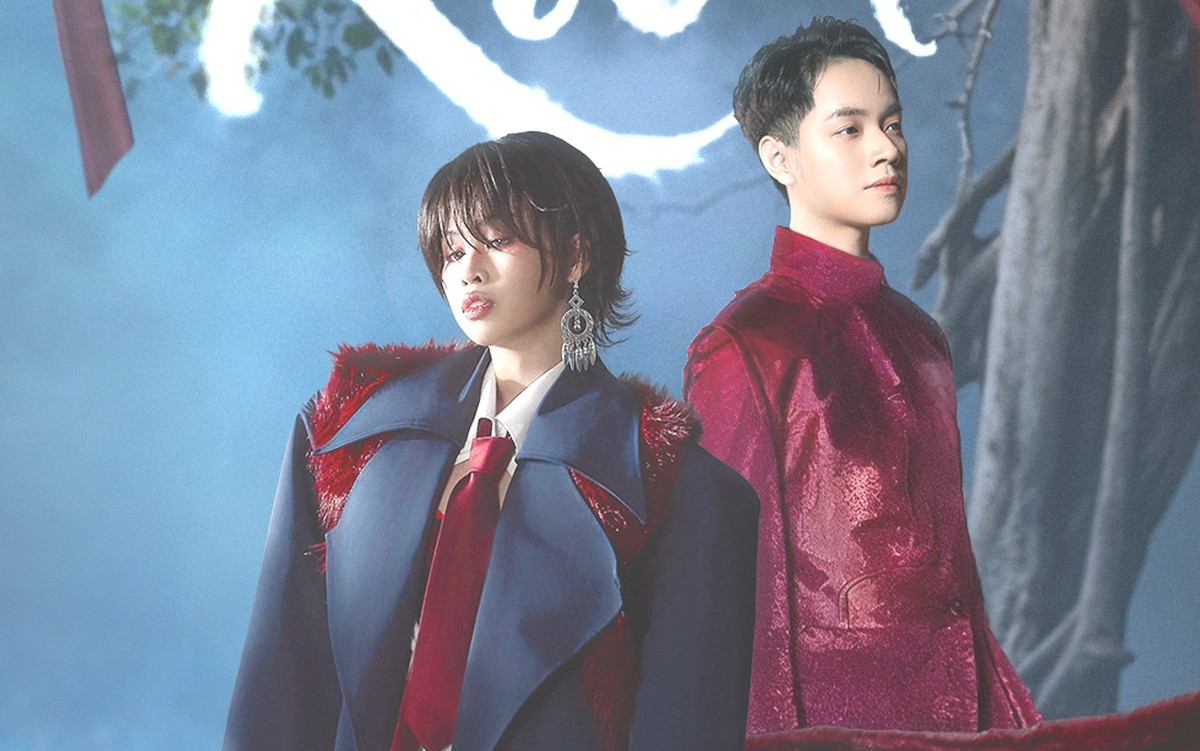
Cao Bá Hưng brings Then singing into the soundtrack of 'Phí phông: Quỷ máu rừng thiêng'
Translated from Vietnamese, summarized and contextualized by DistantNews.
TLDR
- A new film soundtrack, 'Tiếng ru then,' incorporates the traditional Vietnamese art of Then singing.
- Musician Cao Bá Hưng and singer 52Hz collaborated on the song, blending traditional instruments with modern production.
- The track aims to evoke a mother's lullaby amidst a horror film's spiritual and mystical setting, contributing to the film 'Phí phông: Quỷ máu rừng thiêng.'
The release of the soundtrack 'Tiếng ru then' for the film 'Phí phông: Quỷ máu rừng thiêng' marks a significant moment for Vietnamese music and cinema. This collaboration between the talented Cao Bá Hưng and the emerging artist 52Hz brings the ancient art of Then singing, a UNESCO Intangible Cultural Heritage, into a contemporary context. Hưng, a descendant of the renowned scholar Cao Bá Quát, has meticulously recreated the mystical atmosphere of the northwestern mountains using traditional instruments like the tiêu, khèn, and đàn nhị, harmoniously blended with modern sound elements.
What makes 'Tiếng ru then' particularly compelling is its ability to juxtapose a seemingly simple, maternal lullaby against the backdrop of a spiritual horror film. Hưng's vision of a mother's gentle song amidst the vast wilderness creates an emotional anchor within the film's narrative. This fusion of traditional folk elements with modern cinematic scoring demonstrates a growing trend in Vietnam's creative industries to explore and celebrate national heritage through innovative artistic expressions.
The destination we are aiming for is to create a gentle lullaby from a mother to her child in the middle of the great forest. This is the first time Hung has had the opportunity to compose music for a feature film, an experience that I deeply cherish.
Furthermore, the involvement of Gen Z artists like Cao Bá Hưng and 52Hz in such a project is a positive sign for the future of Vietnamese arts. Their willingness to delve into traditional motifs and reinterpret them for a younger audience ensures that cultural heritage remains vibrant and relevant. 'Tiếng ru then' is not just a song; it's a bridge between generations, a testament to the enduring beauty of Vietnamese culture, and a promising contribution to the evolving landscape of our film and music industries.
I was immediately drawn to the demo by the emotional depth and the spirit of motherhood subtly expressed through cultural elements.
DistantNews Editorial
Originally published by Tuổi Trẻ in Vietnamese. Translated, summarized, and contextualized by our editorial team with added local perspective. Read our editorial standards.
More Stories


From Our Blog

What Gets Lost (and Found) When News Is Translated

The Critical Role of Diaspora Media in Global News

What Travellers Should Know About Countries with Restricted Press

A Digital Nomad's Guide to Following Local News

How the Same Story Looks Different in Different Countries
