

Capira River contaminated with hydrocarbons; Ministry gives 72 hours for cleanup
Translated from Spanish, summarized and contextualized by DistantNews.
At a glance
News
Named sources
Under investigation
- Panama's Ministry of Environment (Mi Ambiente) is investigating a potential hydrocarbon contamination in the Capira River.
- The agency confirmed the presence of hydrocarbon residues after citizen complaints and an inspection, ordering the responsible company 72 hours to clean up.
- An administrative process has been opened to determine environmental violations and apply sanctions.
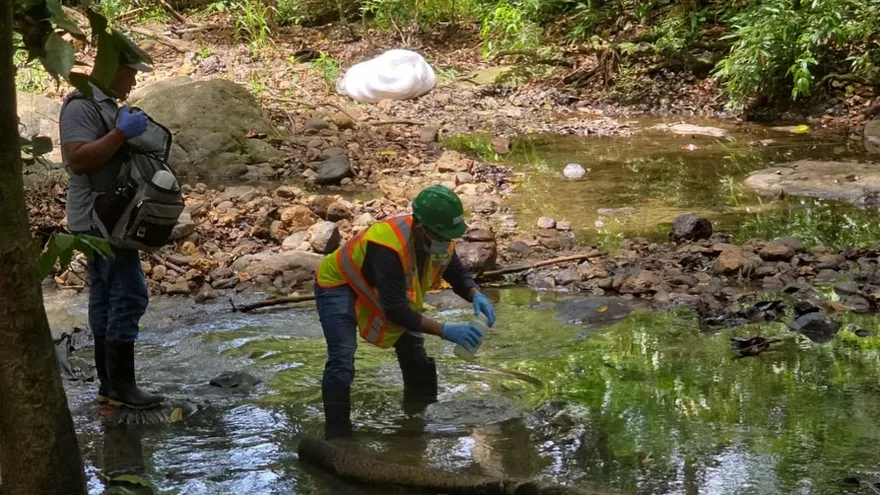
Environmental authorities in Panama are investigating a suspected hydrocarbon contamination in the Capira River following citizen reports of pollution affecting the waterway. The Ministry of Environment (Mi Ambiente) confirmed the presence of hydrocarbon residues after conducting a technical inspection from the incident's origin point to the river.
Mi Ambiente verified that the company involved was undertaking containment and cleanup efforts using barriers and specialized equipment to prevent further spread of the fuel downstream. To assess the extent of the contamination, water quality measurements and samples were collected at various points along the river. These samples will undergo laboratory analysis to determine the full impact of the pollution.
The company has been ordered to immediately continue cleanup, containment, and environmental remediation activities, with a strict 72-hour deadline to remove any remaining hydrocarbon traces from the river. In parallel, Mi Ambiente has initiated an administrative process to investigate potential breaches of environmental obligations and to impose appropriate sanctions and fines.
The ministry expressed gratitude to the public for promptly reporting situations that pose a risk to natural resources, emphasizing that such denuncias enable a faster response to environmental threats. The investigation aims to hold the responsible party accountable and ensure the restoration of the Capira River.
DistantNews Editorial
Originally published by TVN Panamá in Spanish. Translated, summarized, and contextualized by our editorial team with added local perspective. Read our editorial standards.
More Stories
From Our Blog

What Gets Lost (and Found) When News Is Translated

The Critical Role of Diaspora Media in Global News

What Travellers Should Know About Countries with Restricted Press

A Digital Nomad's Guide to Following Local News

How the Same Story Looks Different in Different Countries
