

Circular: Panama's bet to break the cycle that filled the bay with 80 refrigerators | Circular: Panama's bet to break the cycle that filled the bay with 80 refrigerators
Translated from Spanish, summarized and contextualized by DistantNews.
At a glance
News
Named sources
Context piece
- Panama faces a significant waste problem, producing over 380,000 tons of plastic annually and ranking second in waste generation per capita in Latin America.
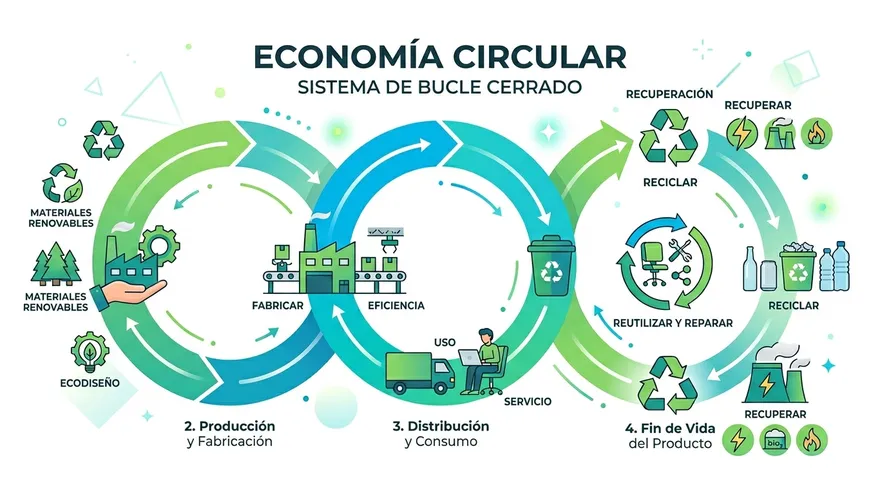
- The Ministry of Environment (MiAmbiente) advocates for a circular economy model to replace the linear production and consumption cycle, emphasizing reuse and recycling over disposal.
- MiAmbiente is launching "Circular Cities" initiatives and promoting permanent recycling drives to encourage formal recycling and proper disposal of bulky waste, aiming to change citizen mindset and reduce pollution.
Panama is grappling with an urgent need to shift from a linear model of production and consumption to a circular economy, aiming to drastically reduce the waste overwhelming its environment, particularly its bays and oceans. The country generates over 380,000 tons of plastic waste each year and holds the unenviable second position in waste generation per capita across Latin America.
Instead of everything being discarded, recover, reuse, and recycle as much as possible to avoid environmental pollution.
Kirbyn Lañas, coordinator of Circular Economy at MiAmbiente, explained that the solution lies not just in enacting more regulations, but in fundamentally altering the cycle of waste. "Instead of everything being discarded, recover, reuse, and recycle as much as possible to avoid environmental pollution," he stated. This approach contrasts sharply with the current reality, where abandoned appliances and vast amounts of plastic end up in rivers and landfills, as evidenced by aerial views of the Matías Hernández River.
A Panamanian generates more waste than they should, and that gives us cause for concern.
Despite existing environmental regulations, their effectiveness is hampered by a lack of public adherence and enforcement. Lañas pointed to the resurgence of single-use plastics in businesses, despite regulations aimed at their elimination, as a clear sign that legal frameworks alone are insufficient. "The law alone does not solve the problem," he warned, stressing the critical need for a shift in citizen mentality regarding purchasing habits, consumption levels, and disposal methods.
The law alone does not solve the problem.
To foster this change, MiAmbiente is collaborating with the Recycling Chamber of Panama and the Ancón Foundation on the "Circular Cities" project. This initiative will feature permanent recycling drives from June to December in Panama and Colón municipalities, aiming to bolster formal recycling practices. The program also facilitates the proper disposal of large items like refrigerators, addressing a visible aspect of the waste crisis.
All that change of mentality is already necessary. As we see in the images, all that waste did not get there by itself.
DistantNews Editorial
Originally published by TVN Panamá in Spanish. Translated, summarized, and contextualized by our editorial team with added local perspective. Read our editorial standards.
More Stories
From Our Blog

What Gets Lost (and Found) When News Is Translated

The Critical Role of Diaspora Media in Global News

What Travellers Should Know About Countries with Restricted Press

A Digital Nomad's Guide to Following Local News

How the Same Story Looks Different in Different Countries
