

Caral archaeologists discover ancient structure in Áspero linked to astronomy and fishing
Translated from Spanish, summarized and contextualized by DistantNews.
TLDR
- Archaeologists in Áspero, Peru, have discovered an ancient structure linked to astronomical observation and its connection to fishing and shellfish gathering.
- The site, led by Dr. Ruth Shady Solís, reveals a specialized space used by the Caral Civilization to predict climate changes, tides, and marine resource availability.
- This finding, presented during the 21st anniversary of Áspero's research, reinforces its significance as an early center of knowledge in America, crucial for the economic and social organization of this ancient fishing community.
In a remarkable discovery that sheds new light on the sophisticated knowledge systems of the ancient Caral Civilization, an archaeological team has unearthed an ancestral structure in Áspero, Supe Puerto. This finding, spearheaded by the esteemed Dr. Ruth Shady Solís, points to a specialized space meticulously designed for astronomical observation, intricately linked to the vital activities of fishing and shellfish gathering that sustained this coastal community.
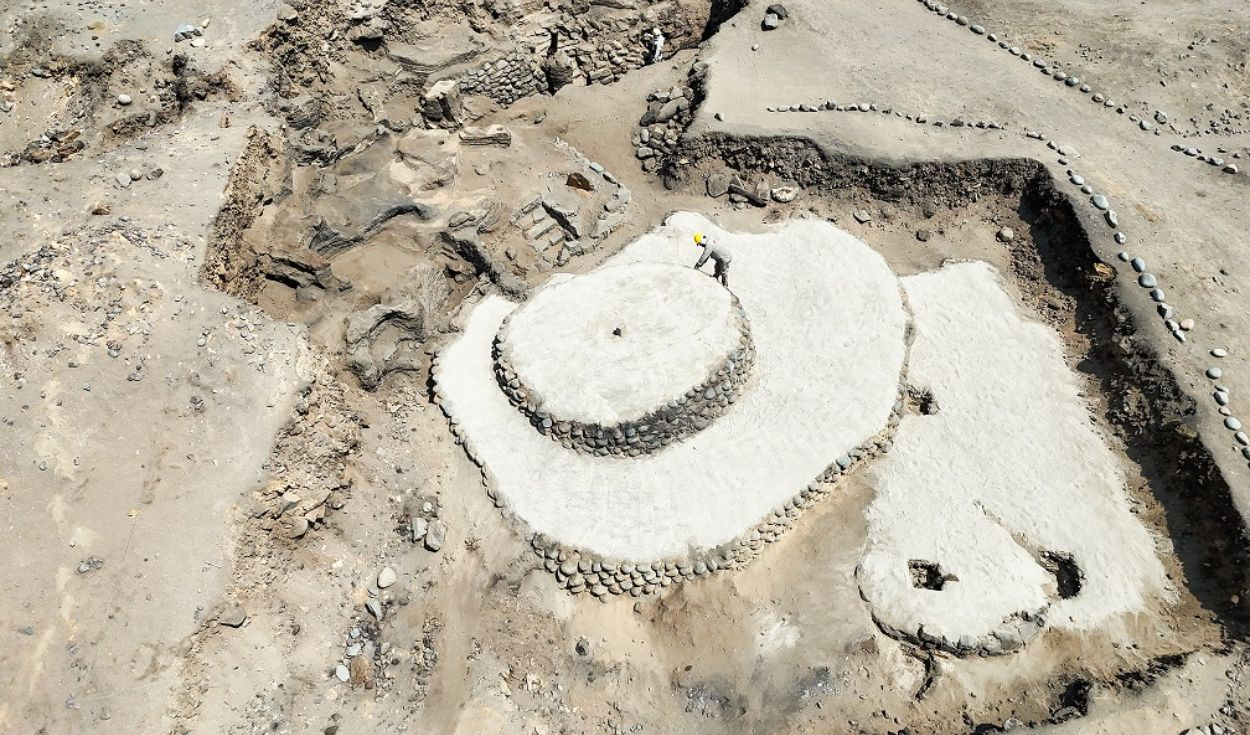
The structure, identified within the Sector J1 excavations, was strategically positioned to offer a clear view of both the coastline and the lower Supe valley. Researchers believe the ancient inhabitants utilized this vantage point to meticulously track celestial bodies like the Sun, Moon, and stars. This astronomical knowledge was not merely for academic pursuit; it was a practical tool, enabling them to forecast weather patterns, predict tidal shifts, and anticipate the availability of marine resources, thereby informing their economic and social planning.
This significant discovery was unveiled during the commemoration of 21 years of dedicated research, conservation, and valorization of the Áspero archaeological site (3000–1800 BC). The find further solidifies Áspero's standing as one of the earliest cradles of knowledge in the Americas. The architectural evolution of the site, spanning four distinct construction periods, reveals a dynamic history, transitioning from a ceremonial public building to a space increasingly dedicated to ritualistic observation, evidenced by features like an oval platform with a central stone (huanca) and later additions including a double-staggered platform with a ceremonial hearth.
From the perspective of Peruvian archaeology, this discovery is particularly exciting. It underscores the advanced understanding of natural cycles possessed by the Caral people, demonstrating a profound connection between their spiritual beliefs, their scientific observations, and their subsistence strategies. Unlike many Western interpretations that might focus solely on the astronomical aspect, here in Peru, we recognize how this knowledge was fundamentally integrated into the daily lives and economic survival of this ancient coastal society, highlighting a holistic approach to understanding and interacting with their environment.
The finding, led by Dr. Ruth Shady Solís, allowed the identification of a specialized space that would have been used by ancient inhabitants of the Caral Civilization to record astronomical phenomena and anticipate changes in climate, tides, and the availability of marine resources, fundamental elements for the economic and social organization of this fishing town.
DistantNews Editorial
Originally published by La República in Spanish. Translated, summarized, and contextualized by our editorial team with added local perspective. Read our editorial standards.
More Stories


From Our Blog

What Gets Lost (and Found) When News Is Translated

The Critical Role of Diaspora Media in Global News

What Travellers Should Know About Countries with Restricted Press

A Digital Nomad's Guide to Following Local News

How the Same Story Looks Different in Different Countries
