

Carrió Warns of Authoritarianism, Criticizes Milei's Attacks on Press
Translated from Spanish, summarized and contextualized by DistantNews.
TLDR
- Elisa Carrió, a prominent Argentine politician, criticized President Javier Milei for his attacks on the press and warned of an "authoritarian state."
- Carrió stated that Milei's intolerance for differing opinions and his focus on punishing dissent mark a "violent authoritarian tint."
- She urged society to defend journalism, warning that without it, "we will all be persecuted," and criticized her former allies in Juntos por el Cambio for their complicity.
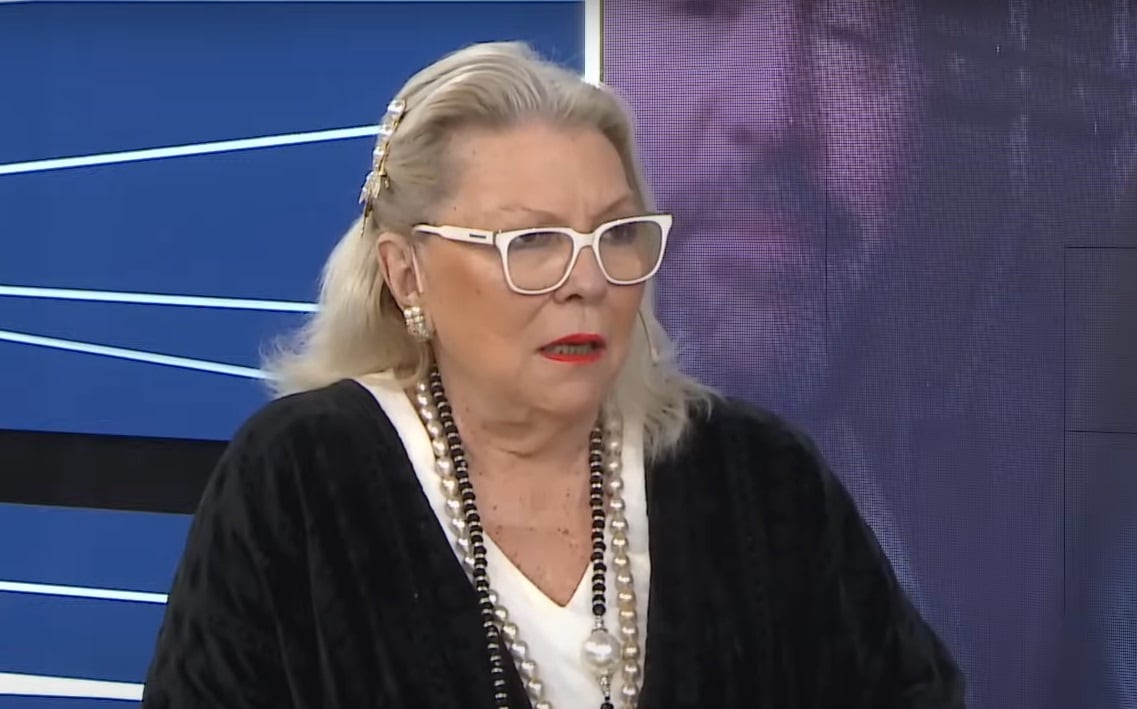
Elisa Carrió, a foundational figure in Argentine politics and a sharp critic of authoritarianism, has issued a stark warning regarding President Javier Milei's escalating rhetoric against the press. Her recent pronouncements, delivered with her characteristic directness, highlight a growing concern within certain political circles that Milei's administration is veering towards an "authoritarian state." Carrió's critique is not merely about journalistic freedom; it's a broader alarm about the suppression of all dissenting voices, a hallmark she argues of nascent totalitarian regimes.
Hablemos en serio. El inicio de los estados autoritarios biototalitarios, de los cuales me voy a ocupar en las clases del Instituto [Hannah Arendt], es el odio que profesa el Presidente no sólo contra los periodistas, sino contra la libertad de expresión.
From her perspective, Milei's intolerance for any opinion that deviates from his own is a clear and present danger. She frames his actions not just as political disagreements but as a deliberate move towards a "violent authoritarian tint." The reference to artificial intelligence controlling dissenting thoughts underscores her fear that the state's reach is expanding beyond traditional means of control. This is a deeply concerning development for those who value open discourse and democratic principles, especially given Carrió's own history of vigilance against such tendencies.
Yo lo puedo definir como el ingreso, sin dudas, a una crisis por autoritarismo. Él no tolera una opinión diferente, cualquiera sea. No va a tolerar ninguna opinión diferente. Y lo va a ayudar [el empresario estadounidense fundador de Paypal] Peter Thiel
Carrió's call to action is unequivocal: society must rally in defense of journalism. She believes that the current attacks on the press are merely the first phase, and that if left unchecked, all citizens will eventually face persecution. Her criticism extends to her former political allies within Juntos por el Cambio, whom she labels as "accomplices" for their silence or support of Milei's agenda. This framing positions the current political moment as a critical juncture, forcing a choice between defending the Republic and succumbing to an authoritarian drift. The Argentine public, accustomed to Carrió's often prescient warnings, will undoubtedly pay close attention to this latest admonition.
Si la sociedad no sale en defensa del periodismo todos “vamos a ser perseguidos”.
DistantNews Editorial
Originally published by La Nación in Spanish. Translated, summarized, and contextualized by our editorial team with added local perspective. Read our editorial standards.
More Stories


From Our Blog

What Gets Lost (and Found) When News Is Translated

The Critical Role of Diaspora Media in Global News

What Travellers Should Know About Countries with Restricted Press

A Digital Nomad's Guide to Following Local News

How the Same Story Looks Different in Different Countries
