

Cerro Canajagua placed under new protection scheme to strengthen conservation
Translated from Spanish, summarized and contextualized by DistantNews.
At a glance
News
Official statement
Approved/passed
- Panama's Ministry of Environment has officially established the boundaries and management category for the Cerro Canajagua protected area in Los Santos province.
- This measure aims to strengthen the conservation of this vital ecosystem and provide a legal framework for its administration and sustainable use.
- The decision aligns with Panama's constitutional and legal obligations regarding environmental protection and biodiversity conservation.
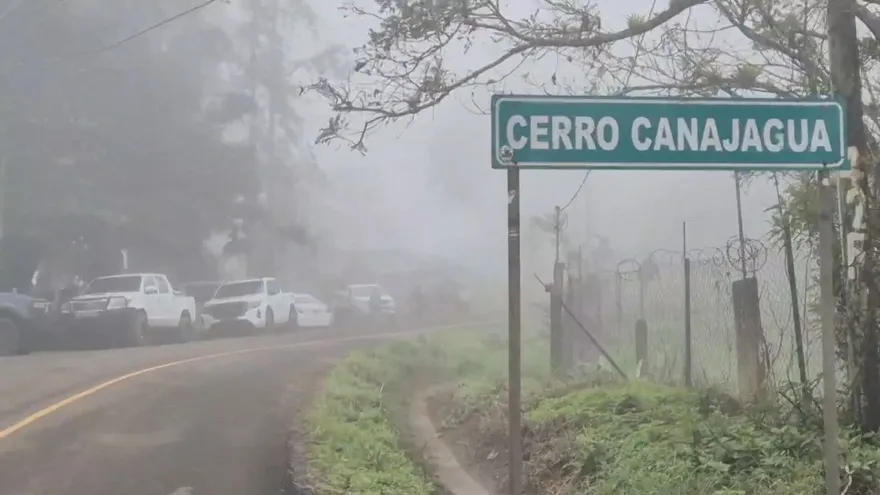
Cerro Canajagua, a significant ecosystem in Panama's Los Santos province, is now under a reinforced protection framework. The Ministry of Environment (MiAmbiente) officially published a resolution in the Official Gazette No. 30,571, establishing the precise limits and management category for the Cerro Canajagua protected area.
This official decree aims to bolster the conservation efforts for this ecologically important site. It provides a clear legal structure for the area's administration, conservation, and sustainable utilization, ensuring its protection for future generations. The resolution is grounded in Panama's Political Constitution, the General Environment Law, and the legislation that created the National System of Protected Areas (Sinap).
MiAmbiente cited the state's obligation to promote sustainable development, prevent environmental pollution, safeguard natural resources, and ensure the preservation of ecosystems. The official delimitation and management category designation will guide future conservation actions, surveillance, and environmental management within Cerro Canajagua, reinforcing its status as a key ecological zone for the Los Santos province.
The move reflects Panama's commitment to its international biodiversity conservation commitments and strengthens the national strategy for protecting its natural heritage.
DistantNews Editorial
Originally published by TVN Panamá in Spanish. Translated, summarized, and contextualized by our editorial team with added local perspective. Read our editorial standards.
More Stories

From Our Blog

What Gets Lost (and Found) When News Is Translated

The Critical Role of Diaspora Media in Global News

What Travellers Should Know About Countries with Restricted Press

A Digital Nomad's Guide to Following Local News

How the Same Story Looks Different in Different Countries
