


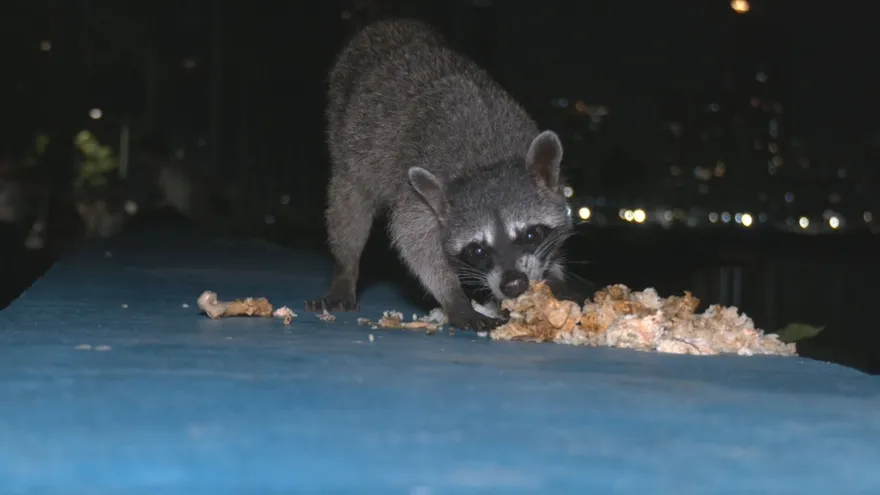
Feeding raccoons can harm their health and spread zoonotic diseases, warns Panama's Environment Ministry
Translated from Spanish, summarized and contextualized by DistantNews.
At a glance
News
Official statement
New plan
- Panama's Ministry of Environment (MiAmbiente) urges people to stop feeding raccoons in public areas like Cinta Costera and Amador Causeway.
- Feeding raccoons disrupts their natural diet, leading to metabolic problems and potential obesity.
- This practice also increases the risk of zoonotic diseases transmitting between animals and humans.
Panama's Ministry of Environment (MiAmbiente) has issued a strong warning against feeding raccoons, particularly in popular tourist areas such as the Cinta Costera and the Amador Causeway. The ministry emphasizes that this practice poses significant risks to both the animals' health and public well-being.
Erick Núñez, head of MiAmbiente's Biodiversity Department, explained that the constant presence of visitors has led many people to offer food to raccoons out of curiosity or misplaced kindness. However, he stressed that this is inappropriate and harmful. Raccoons are naturally adapted to forage for their own food, consuming crabs and other organisms native to their habitat. Relying on human handouts disrupts this natural behavior.
When raccoons become accustomed to receiving food from people, they cease seeking their natural food sources. This dependency leads to dietary problems and metabolic issues, potentially causing obesity and other health complications. MiAmbiente highlighted that the close contact between humans and wildlife also elevates the risk of transmitting zoonotic diseases, illnesses that can pass from animals to people.
To combat this issue, MiAmbiente plans to install signs in these areas to discourage the practice. The goal is to prevent raccoons from becoming dependent on humans and to preserve their natural behaviors and ecological role. The ministry urges residents and visitors alike to refrain from feeding these wild animals, ensuring their health and minimizing public health risks.
DistantNews Editorial
Originally published by TVN Panamá in Spanish. Translated, summarized, and contextualized by our editorial team with added local perspective. Read our editorial standards.
More Stories


From Our Blog

What Gets Lost (and Found) When News Is Translated

The Critical Role of Diaspora Media in Global News

What Travellers Should Know About Countries with Restricted Press

A Digital Nomad's Guide to Following Local News

How the Same Story Looks Different in Different Countries
