


Chernobyl Disaster Crushed Pripyat Football Club's Dreams Days Before Stadium Opening
Translated from Croatian, summarized and contextualized by DistantNews.
TLDR
- A football club in Pripyat, named Stroitel, had ambitions to turn professional and move into a new stadium.
- Their dreams were shattered just five days before the stadium's inauguration due to the Chernobyl nuclear disaster on April 26, 1986.
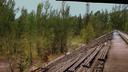
- The club's former stadium is now located in the exclusion zone, overgrown by trees, symbolizing the lost potential and the catastrophic impact of the disaster.
The story of Stroitel Pripyat is a poignant, albeit tragic, footnote to the Chernobyl disaster, a catastrophe that not only devastated a city but also extinguished the aspirations of its burgeoning football club. Once a symbol of Soviet ambition and a model 'atom-city,' Pripyat was a place of youth and progress, with sport, particularly football, playing a central role in its vibrant community life.
Founded in the mid-1970s, Stroitel Pripyat, whose name translates to 'Builder,' embodied the spirit of the city and its workers. Initially composed of plant employees, the team evolved, attracting talented players who were ostensibly employed by the nuclear plant but dedicated to the sport. Under significant backing, the club climbed the ranks of amateur football, culminating in a second-place finish in their league in 1985, setting their sights firmly on professional status.
The construction of the Avanhard stadium, a modern facility designed to meet professional standards, was meant to be the capstone of their ambitions. Scheduled for a grand opening on May 1, 1986, with a match against the formidable Dynamo Kyiv, the stadium represented the culmination of years of effort and the promise of a bright future. However, the catastrophic explosion at the Chernobyl nuclear power plant just days earlier, on April 26, 1986, irrevocably altered that trajectory.
Today, the remnants of this dream lie within the Chernobyl Exclusion Zone. The Central Stadium, once a hub of athletic activity, is now marked by a solitary, rusted spotlight, its former football pitch swallowed by dense forest. This haunting image serves as a stark reminder of the lives and dreams that were abruptly halted by the disaster, a narrative often overshadowed by the broader human and environmental toll, but deeply felt by those who remember the city's vibrant past.
DistantNews Editorial
Originally published by Večernji List in Croatian. Translated, summarized, and contextualized by our editorial team with added local perspective. Read our editorial standards.
More Stories



From Our Blog

What Gets Lost (and Found) When News Is Translated

The Critical Role of Diaspora Media in Global News

What Travellers Should Know About Countries with Restricted Press

A Digital Nomad's Guide to Following Local News

How the Same Story Looks Different in Different Countries
