


Chilean Senate Postpones Debate on "Gag Law 2.0" Amidst Criticism
Translated from Spanish, summarized and contextualized by DistantNews.
At a glance
News
Named sources
Ongoing story
- Chile's Senate postponed the debate on the "Gag Law 2.0" project until further notice.
- The bill, which proposes up to five years in prison and fines for disseminating criminal case information during investigations, faced delays due to a lengthy economic mega-reform vote.
- While proponents claim the law targets officials who violate confidentiality, critics warn it could criminalize the flow of public interest information.
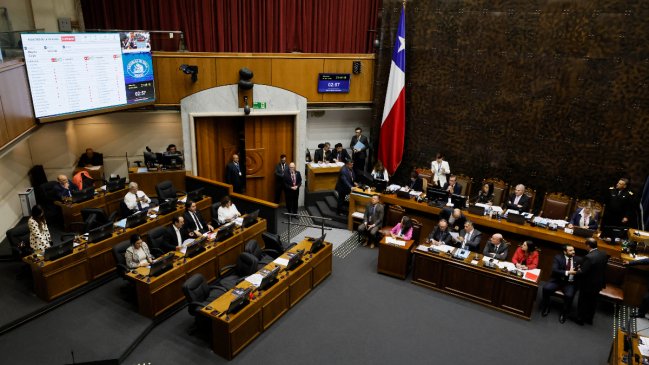
Chile's Senate has indefinitely postponed the discussion of a controversial bill known as "Gag Law 2.0." The proposed legislation, which seeks to impose penalties of up to five years in prison and fines of up to 500 UTM (Universal Taxable Units) on individuals who disseminate information from criminal cases under investigation, was removed from the agenda.
The debate's suspension occurred because the Senate's session was extended by a vote on a major economic reform. The "Gag Law 2.0" project, introduced in April 2025 by a group of senators, is currently in its first constitutional review.
Its proponents argue that the law's primary aim is to hold public officials and participants accountable for violating their institutional duty of confidentiality, rather than targeting journalists. They assert that the responsibility should fall on those who breach secrecy, not on the media reporting on cases.
However, various organizations and experts have raised alarms, warning that the measure could have a chilling effect on the free circulation of information. An academic expert specifically cautioned about a potential "inhibitory effect," suggesting the law might discourage the reporting of matters of public interest due to fear of legal repercussions. The bill's passage remains uncertain as concerns about freedom of the press and public access to information are debated.
DistantNews Editorial
Originally published by Cooperativa in Spanish. Translated, summarized, and contextualized by our editorial team with added local perspective. Read our editorial standards.
More Stories



From Our Blog

What Gets Lost (and Found) When News Is Translated

The Critical Role of Diaspora Media in Global News

What Travellers Should Know About Countries with Restricted Press

A Digital Nomad's Guide to Following Local News

How the Same Story Looks Different in Different Countries
