



China Accused of Downplaying Flood Disaster Scale in Tibet
Translated from Latvian and summarized by DistantNews. Read the original for the full story.
At a glance
News
Sources not specified
Ongoing story
- China is reportedly controlling information flow regarding devastating floods in Tibet, according to the BBC.
- Videos circulating internationally show powerful water currents sweeping away vehicles and buildings at the Gyirong border crossing between Nepal and Tibet.
- Human rights organizations are calling on Chinese authorities to release comprehensive information about the disaster's extent and casualties, citing concerns over censorship.
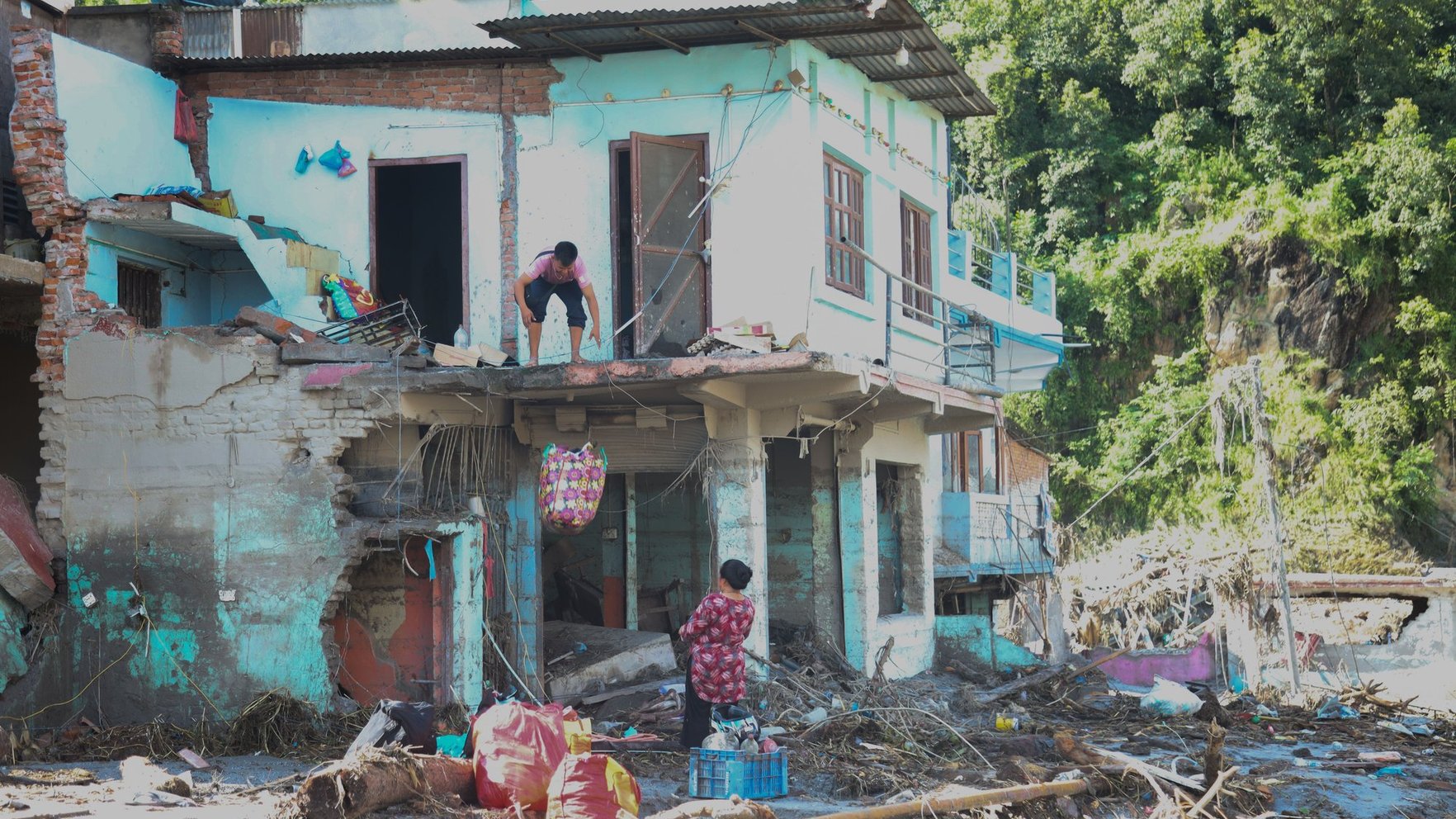
China stands accused of significantly limiting information about the true scale of a devastating flood disaster in Tibet, according to reports citing the BBC. While international media shows footage of powerful water currents overwhelming the Gyirong border crossing between Nepal and Tibet, Chinese state media has released only limited images and reports focusing on rescue efforts.
The region, which has been under Chinese control since the 1950s, is politically sensitive. International human rights organizations have long expressed concerns about restrictions on religious and civil liberties in Tibet. In the wake of the floods, groups like the "International Campaign for Tibet" allege that videos and eyewitness accounts are being deleted from social media platforms.
These organizations are urging Chinese authorities to publish complete and fact-based information regarding the extent of the damage and the number of victims. They contend that the limited reporting obscures the full impact of the disaster on the local population.
Despite these accusations, the Chinese government denies engaging in censorship. Officials emphasize the significant investments made in Tibet's economic development, infrastructure, and tourism. However, the events following the natural disaster have once again highlighted concerns about information accessibility and press freedom in the region.
As rescue operations continue, the full scope of the catastrophe and the exact number of casualties remain unclear. Access to the region for international media and human rights organizations remains restricted, further complicating efforts to independently verify the situation.
About this summary
Originally published by Delfi Latvia in Latvian. Translated, summarized, and contextualized automatically by DistantNews, with a note on how the source frames the story. Not individually reviewed before publishing. How this works.
More Stories

From Our Blog

What Gets Lost (and Found) When News Is Translated

The Critical Role of Diaspora Media in Global News

What Travellers Should Know About Countries with Restricted Press

A Digital Nomad's Guide to Following Local News

How the Same Story Looks Different in Different Countries
