


China achieves reusable orbital rocket capability with novel sea-capture technique
Translated from English, summarized and contextualized by DistantNews.
At a glance
News
Sources not specified
New plan
- China has successfully achieved controlled recovery of a reusable orbital space rocket, becoming the second nation after the United States to possess this capability.
- The maiden launch of its Long March-10B rocket utilized a novel sea-capture technique for its booster stage, differing from SpaceX's methods and previous Chinese attempts.
- This advancement signifies China's growing prowess in space technology and its development of reusable rocket systems.
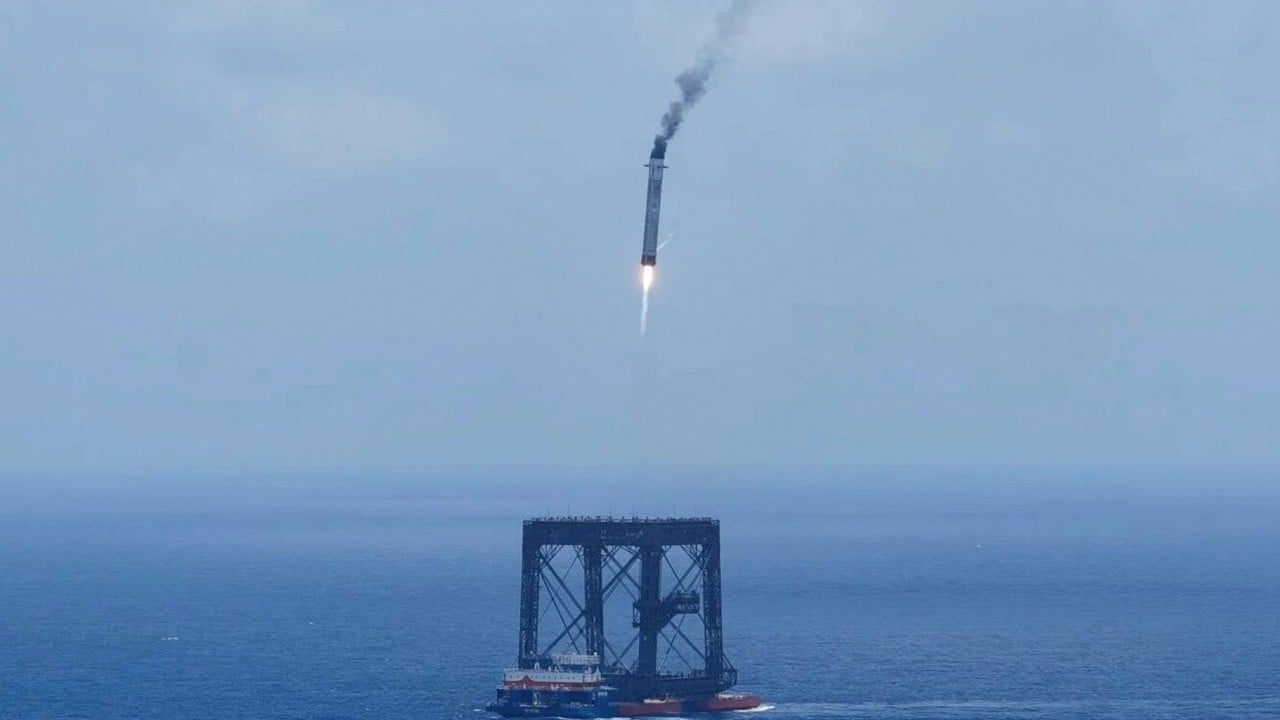
China has joined the United States as the only nations capable of recovering reusable orbital space rockets, marking a significant milestone in its space exploration ambitions. The successful sea-capture of the booster stage from its Long March-10B rocket during its inaugural launch demonstrates a sophisticated advancement in reusable rocket technology.
This achievement is notable not only for its success but also for the innovative method employed. Unlike the landing leg systems used by Elon Musk's SpaceX or earlier Chinese attempts, the Long March-10B utilized its engines to precisely position the booster stage over a floating platform at sea for capture. This novel technique highlights China's distinct approach to developing reusable launch systems.
The successful recovery of the rocket stage is a critical step towards reducing the cost of space access. Reusable rockets are designed to be recovered and refueled, allowing them to be used for multiple missions. This capability is seen as essential for the future of space exploration and commercialization, enabling more frequent and affordable launches.
DistantNews Editorial
Originally published by South China Morning Post in English. Translated, summarized, and contextualized by our editorial team with added local perspective. Read our editorial standards.
More Stories



From Our Blog

Countries Without a Free Press: What You Need to Know

What Press Freedom Means for the News You Read

What Gets Lost (and Found) When News Is Translated

The Critical Role of Diaspora Media in Global News

What Travellers Should Know About Countries with Restricted Press
