


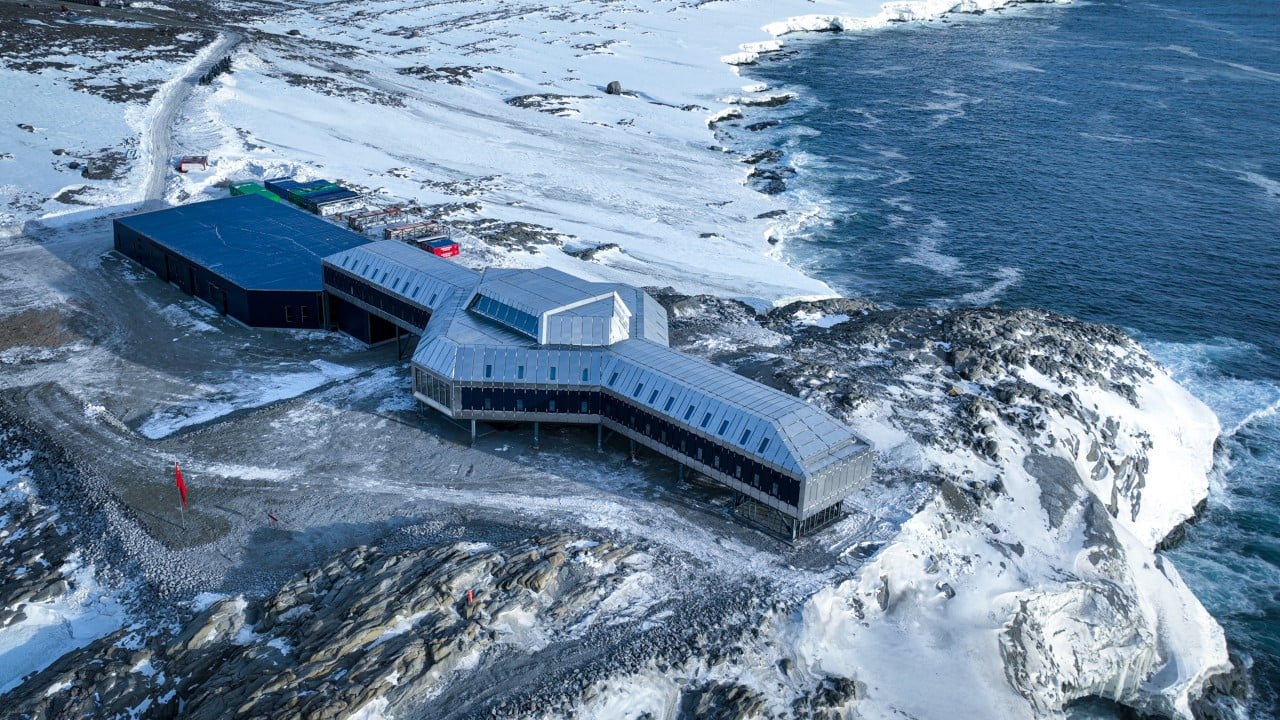
China aims for 100% renewable power at Antarctic bases by 2035
Translated from English, summarized and contextualized by DistantNews.
At a glance
News
Named sources
Context piece
- China aims to power all its Antarctic research stations with 100% renewable energy by 2035.
- The newest station, Qinling Station, already uses over 60% clean energy sources like solar, wind, and hydrogen.
- This transition from diesel power is driven by the need for reliable energy in Antarctica's extreme conditions.
China is advancing its commitment to renewable energy by working towards powering all its Antarctic research stations entirely with clean sources by 2035. This ambitious goal reflects a global shift in energy consumption, even in the planet's most extreme environments.
The country's fifth and newest research base, Qinling Station, exemplifies this transition. Opened in 2024, the station currently meets over 60% of its energy demands through a combination of solar, wind, and hydrogen power, supported by energy storage batteries. This modern facility, located on Inexpressible Island in Terra Nova Bay, demonstrates the feasibility of integrating renewable technologies in polar regions.
Scientists operating in Antarctica face formidable challenges, including extreme cold that can drop below minus 80 degrees Celsius, fierce winds exceeding 100 km/h, and prolonged periods of total darkness. Historically, diesel fuel has been the primary energy source for power and heating at these remote stations. However, the move towards renewables like solar and wind power is crucial for ensuring sustainable and reliable operations.
Sun Hongbin, chief scientist for China's polar clean energy program, informed state-run China Natural Resources News in June that the ultimate objective is to achieve 100% renewable energy utilization across all Chinese Antarctic research stations within the next decade. This initiative underscores China's dedication to environmental sustainability and technological innovation in polar research.
Ultimately, the plan is to use renewables for 100 per cent of energy demand at all of China’s Antarctic research stations by 2035.
DistantNews Editorial
Originally published by South China Morning Post in English. Translated, summarized, and contextualized by our editorial team with added local perspective. Read our editorial standards.
More Stories


From Our Blog

Countries Without a Free Press: What You Need to Know

What Press Freedom Means for the News You Read

What Gets Lost (and Found) When News Is Translated

The Critical Role of Diaspora Media in Global News

What Travellers Should Know About Countries with Restricted Press
