


China Blocks US Sanctions on Five Refiners Over Iranian Oil Purchases
Translated from English, summarized and contextualized by DistantNews.
TLDR
- China's Ministry of Commerce has issued an injunction to block US sanctions against five Chinese refiners accused of purchasing Iranian oil.
- The US Treasury had previously sanctioned Hengli Petrochemical and four other 'teapot' refineries for violating sanctions on Iran.
- Beijing asserts that the US sanctions violate international law and international relations norms.
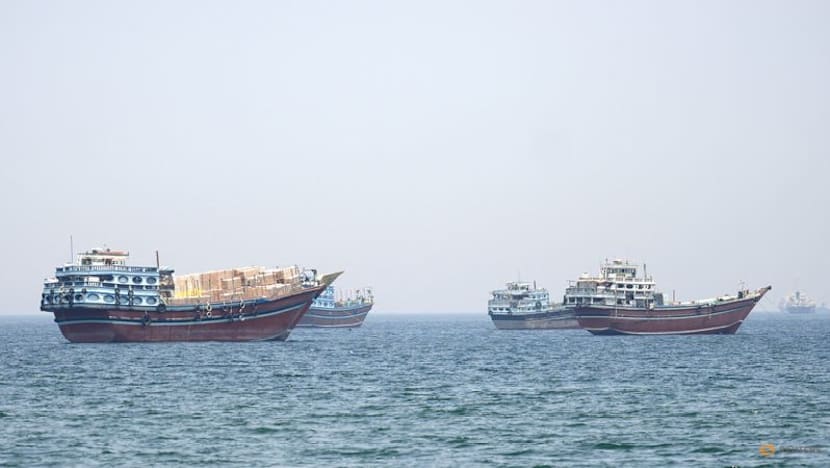
China has taken a firm stance against the extraterritorial application of US sanctions, with the Ministry of Commerce issuing an injunction to block Washington's punitive measures against five domestic refiners. This move, reported by Xinhua, directly challenges the US Treasury's actions targeting companies like Hengli Petrochemical and several 'teapot' refineries for allegedly buying Iranian oil.
The Ministry's statement unequivocally declares that these US sanctions contravene international law and the fundamental norms governing international relations. By imposing an injunction, China asserts its sovereign right to protect its companies from what it views as illegitimate foreign interference. The injunction explicitly prohibits the recognition, implementation, or compliance with the US sanctions by the targeted Chinese firms.
The US sanctions violate “international law and the basic norms of international relations,”
This action by Beijing highlights the ongoing tensions surrounding US efforts to curb Iran's oil revenue through sanctions. The targeted refineries, particularly the 'teapots,' play a significant role in China's refining capacity and have already faced challenges due to tepid domestic demand. The US sanctions had created hurdles, including difficulties in sourcing crude and the need to sell refined products under different names.
From our perspective at The Straits Times, this development underscores China's growing assertiveness in pushing back against unilateral US foreign policy actions. While Western media might focus on the US administration's stated goals of pressuring Iran, our coverage emphasizes China's legal and diplomatic response, framing it as a defense of international law and a rejection of what is perceived as overreach by Washington. This is a critical aspect of the evolving geopolitical landscape that resonates deeply within the region.
The injunction stipulates that the United States cannot recognize, implement, or comply with the sanctions imposed on the aforementioned five Chinese companies.
DistantNews Editorial
Originally published by The Straits Times in English. Translated, summarized, and contextualized by our editorial team with added local perspective. Read our editorial standards.
More Stories

From Our Blog

What Gets Lost (and Found) When News Is Translated

The Critical Role of Diaspora Media in Global News

What Travellers Should Know About Countries with Restricted Press

A Digital Nomad's Guide to Following Local News

How the Same Story Looks Different in Different Countries
