



China halts Tibet rescue as flood risk grows
Translated from English and summarized by DistantNews. Read the original for the full story.
At a glance
News
From a news agency
Ongoing story
- China has suspended rescue efforts in Tibet because of an increased risk of further flooding.
- A lake formed by debris from a recent mudslide is overflowing, threatening areas where rescue teams were operating.
- Hundreds of people, both Chinese nationals and foreigners, are still missing after the mudslide hit the China-Nepal border region.
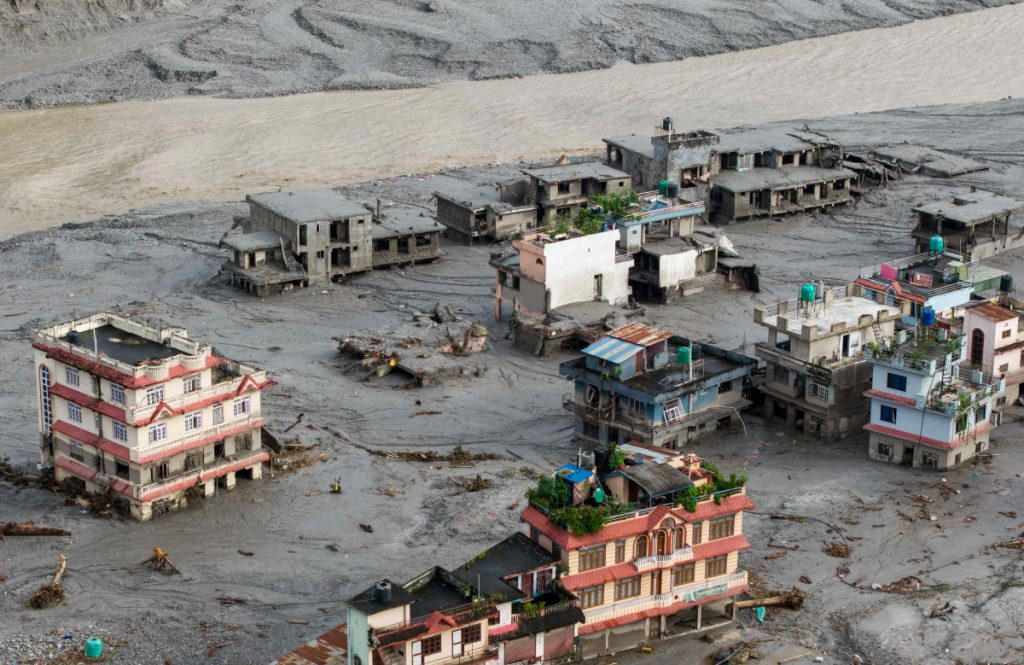
Rescue operations in Tibet have been halted due to the escalating risk of renewed flooding, state media reported Friday. The pause comes two days after a devastating mudslide struck the China-Nepal border, leaving hundreds of people missing.
All rescue teams have been ordered to stand by in place and wait for further instructions.
Authorities ordered all rescue teams to stand by and await further instructions. Emergency teams that had already reached the affected area were instructed to withdraw approximately one kilometer. The decision was made as a lake, formed by the massive debris from the mudslide, began to overflow towards the region where rescue efforts were underway.
According to state broadcaster CCTV, water levels at the debris lake are expected to rise over the next three days due to continuous rainfall, with a peak predicted around September 1. This poses a significant risk of a breach, which could send floodwaters downstream and cause further damage, particularly in areas like Gyirong Port and other downstream locations, state news agency Xinhua reported.
have been ordered to withdraw one kilometre (0.6 miles)
Despite the suspension of rescue operations, efforts to locate the missing continue. As of Friday, CCTV reported that 499 Chinese nationals and 555 foreigners had been safely transported out of the disaster zone. Rescue workers are employing advanced techniques, including drone-based 3D modeling and thermal imaging, alongside manual searches, to find those still unaccounted for.
risk of a breach that could send floodwaters downstream and potentially cause further damage in areas including Gyirong Port and elsewhere downstream
About this summary
Originally published by The Punch in English. Translated, summarized, and contextualized automatically by DistantNews, with a note on how the source frames the story. Not individually reviewed before publishing. How this works.
More Stories

From Our Blog

How the Same Story Looks Different in Different Countries

What Gets Lost (and Found) When News Is Translated

The Critical Role of Diaspora Media in Global News

What Travellers Should Know About Countries with Restricted Press

A Digital Nomad's Guide to Following Local News
