

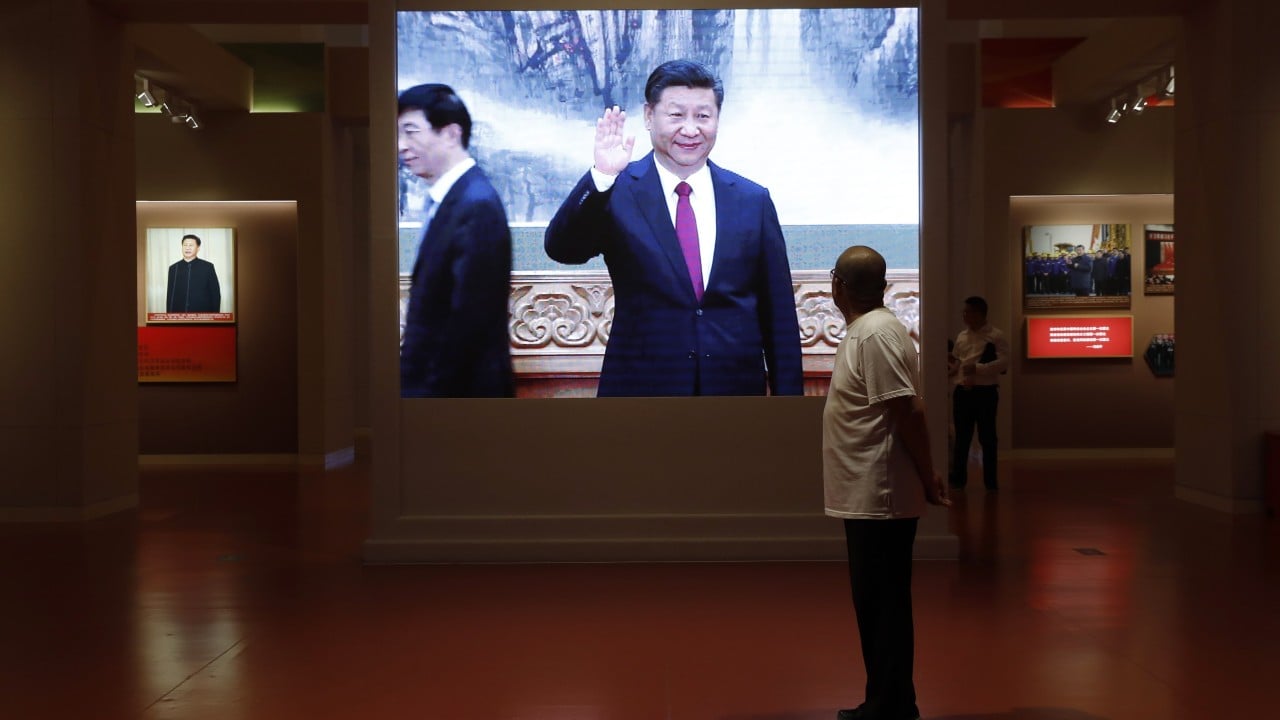

China-India diplomats shake hands, but web users wage war online
Translated from English, summarized and contextualized by DistantNews.
At a glance
News
Sources not specified
Context piece
- Chinese Ambassador to India Xu Feihong faced a nationalist backlash online, with users accusing him of neglecting his duties.
- Social media users expressed anger over China's recent diplomatic overtures to India, using the ambassador as a target.
- Despite online criticism, official Chinese policy and public demand are moving toward improving ties with India.
China's ambassador to India, Xu Feihong, has become a lightning rod for nationalist anger online, despite official efforts to improve bilateral relations. Attempts by Xu to foster goodwill have triggered a fierce backlash from Chinese web users, who accuse him of forgetting his role and even express xenophobic sentiments.
The ambassador seems to have forgotten his actual job
One social media user criticized Xu, stating, “The ambassador seems to have forgotten his actual job.” This user argued that the envoy's purpose should be to make Indians more friendly toward China, not the reverse. Another comment took a xenophobic turn, warning of “hundreds of thousands, even millions, of Indian ‘cockroaches’ flood[ing] into China” and “pollut[ing] the country.”
letting hundreds of thousands, even millions, of Indian ‘cockroaches’ flood into China” and “polluting the country
These online outbursts extend beyond Xu's specific comments and reflect a broader frustration with Beijing's recent diplomatic engagement with New Delhi. The ambassador, as the public face of China in India, has become an easy target for this public anger. However, this online fury contrasts sharply with official state policy and public demand, which are moving in the opposite direction, suggesting a disconnect between online sentiment and the government's diplomatic strategy.
China-India ties as being among the “most important” bilateral relationships in the world”, saying they had moved from a “reset and fresh start” to a “new level of development”
DistantNews Editorial
Originally published by South China Morning Post in English. Translated, summarized, and contextualized by our editorial team with added local perspective. Read our editorial standards.
More Stories


From Our Blog

Countries Without a Free Press: What You Need to Know

What Press Freedom Means for the News You Read

What Gets Lost (and Found) When News Is Translated

The Critical Role of Diaspora Media in Global News

What Travellers Should Know About Countries with Restricted Press
