


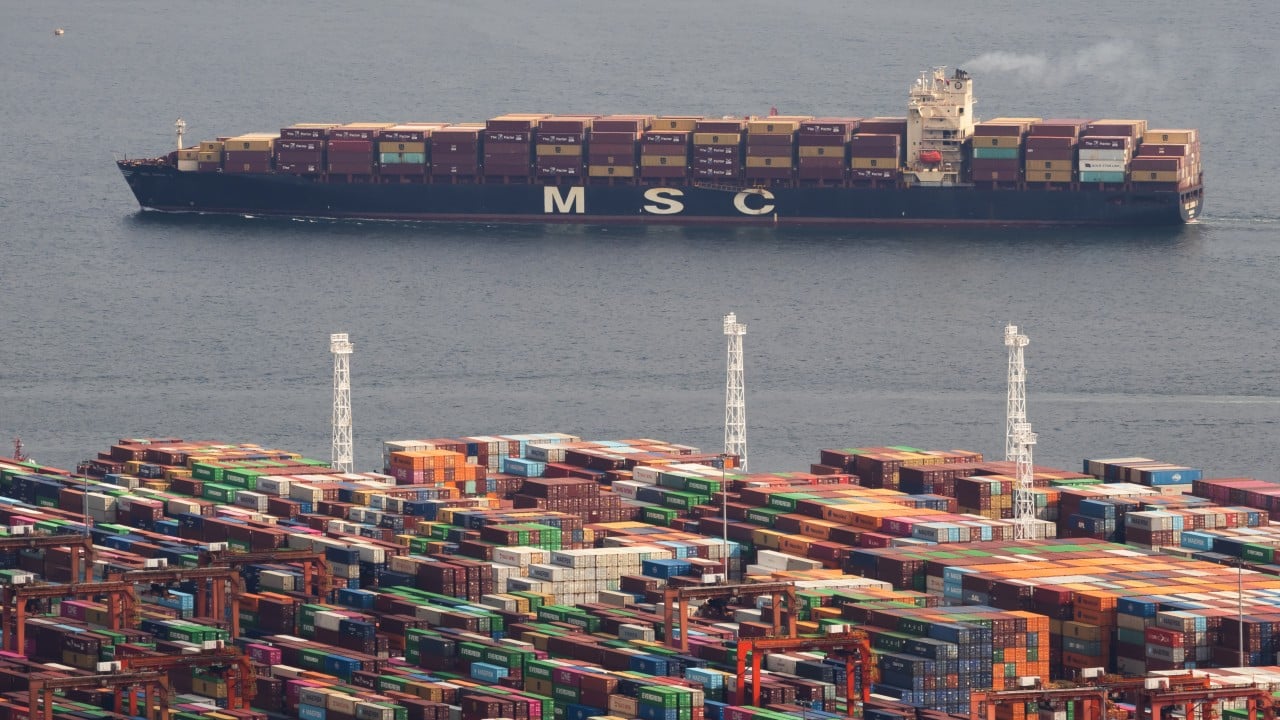
China must prepare for US sea-power competition, academic says
Translated from English and summarized by DistantNews. Read the original for the full story.
At a glance
Analysis
Named sources
Context piece
- A Chinese academic advises China to prepare for sea-power competition with the U.S. by focusing on "mastery of the oceans."
- Di Dongsheng suggests directing overseas investment returns into defense spending to bolster maritime capabilities.
- The academic warns that China's reliance on sea-bound trade makes its routes vulnerable, citing recent geopolitical events as warning signals.
China must prepare for an impending contest over sea power and the security of its vital shipping routes, according to Di Dongsheng, an associate dean at Renmin University's school of international studies. He argues that as economic ties between the U.S. and China shift towards competition, the era of open oceans may be drawing to a close.
We must prepare for struggle in a coming contest over sea power and the security of shipping routes
Di advocates for China to forge a national consensus on "regaining mastery of the oceans." He suggests that the nation should direct overseas investment returns into defense spending to strengthen its maritime capabilities. This strategic shift, he believes, is necessary to brace for intensifying sea-power competition with the United States, which he identifies as the dominant maritime power.
Before then, the possibility that a portion of [China’s] import and export trade relying on maritime transport would come under threats, or even partial shocks, still warrants close attention
The academic warns that China's heavy reliance on sea-bound trade makes its import and export routes vulnerable to threats and potential shocks. He estimates it could take approximately three decades for China to secure global dominance over ports, straits, canals, and shipping lanes through a step-by-step process.
One of China’s obvious soft spots is the maritime routes
Di points to recent geopolitical events, including those around the Panama Canal, Greenland, and the Strait of Hormuz since the latter half of 2025, as "a series of warning signals." He believes these events indicate a trend toward the closing of the seas' openness, underscoring the urgency for China to adapt its strategy and bolster its defenses.
a series of warning signals that the openness of the seas is tending towards an end
About this summary
Originally published by South China Morning Post in English. Translated, summarized, and contextualized automatically by DistantNews, with a note on how the source frames the story. Not individually reviewed before publishing. How this works.
More Stories

From Our Blog

Countries Without a Free Press: What You Need to Know

What Press Freedom Means for the News You Read

What Gets Lost (and Found) When News Is Translated

The Critical Role of Diaspora Media in Global News

What Travellers Should Know About Countries with Restricted Press
