

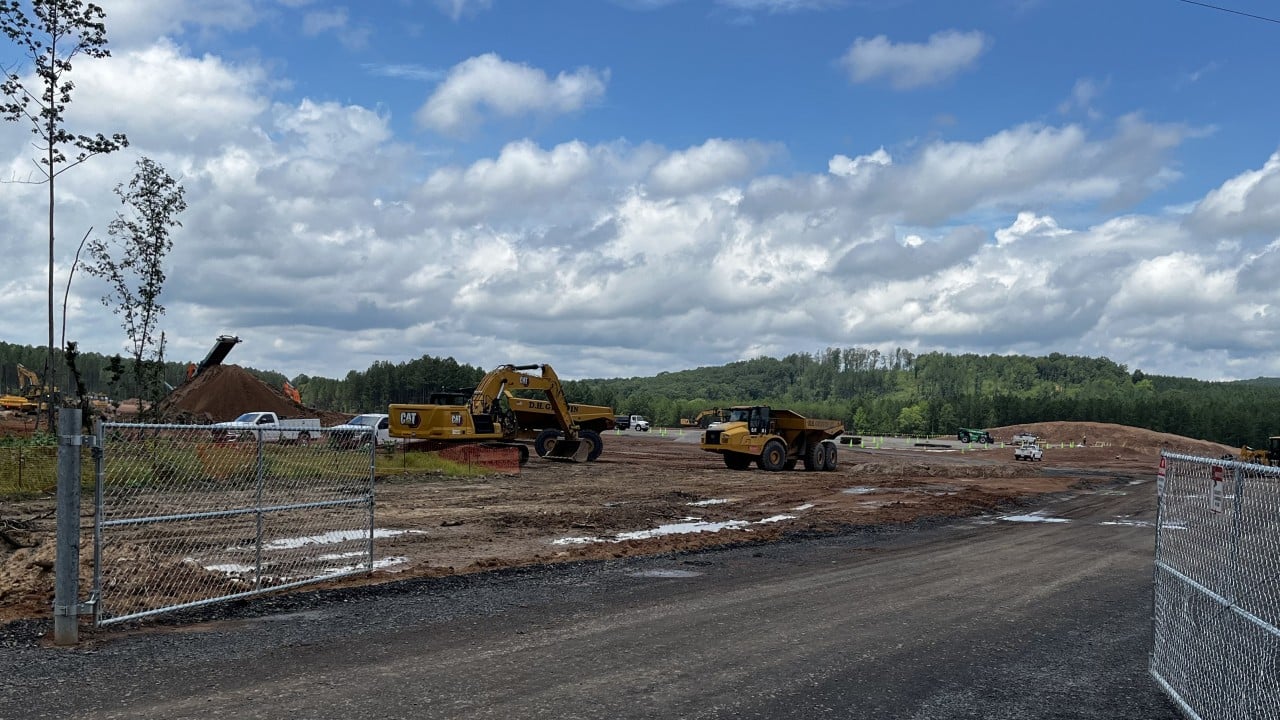

China's resource-rich regions hit hardest by Xi's anti-corruption campaign
Translated from English and summarized by DistantNews. Read the original for the full story.
At a glance
Analysis
Documents & data
Context piece
- China's resource-rich and less developed regions have been most affected by President Xi Jinping's anti-corruption campaign.
- Research by the South China Morning Post analyzed data on high-ranking officials investigated for corruption from 2013 to 2025.
- Mineral-abundant provinces like Jiangxi, Liaoning, and Inner Mongolia show the highest numbers of senior officials removed for corruption.
China's extensive anti-corruption campaign, a signature initiative of President Xi Jinping, has disproportionately targeted regions rich in natural resources, according to a major data project by the South China Morning Post. These areas, often characterized by desolate landscapes and sparse populations, harbor abundant mineral wealth crucial to the world's second-largest economy.
The research, which examined official records of high-ranking officials, known as "tigers," investigated by the Central Commission for Discipline Inspection (CCDI) between 2013 and 2025, reveals a strong correlation between resource wealth and deep-seated corruption. The findings suggest that Beijing is actively working to prevent these regions from falling victim to the so-called "resource curse," a phenomenon where abundant natural resources can lead to economic stagnation and corruption.
Provinces such as Jiangxi, Liaoning, Inner Mongolia, Shanxi, and Hebei, which are rich in minerals, top the list for the number of senior officials sacked for corruption during the decade-long crackdown. This focus on resource-rich areas underscores the government's efforts to tackle corruption at its roots, particularly in regions where such wealth has historically been linked to illicit activities and power abuse.
About this summary
Originally published by South China Morning Post in English. Translated, summarized, and contextualized automatically by DistantNews, with a note on how the source frames the story. Not individually reviewed before publishing. How this works.
More Stories
From Our Blog

Countries Without a Free Press: What You Need to Know

What Press Freedom Means for the News You Read

What Gets Lost (and Found) When News Is Translated

The Critical Role of Diaspora Media in Global News

What Travellers Should Know About Countries with Restricted Press
