

China pauses $4 billion African mine deal, signaling growing risk aversion
Translated from English, summarized and contextualized by DistantNews.
At a glance
News
Sources not specified
New plan
- China's Zijin Mining has paused a $4 billion acquisition of Allied Gold due to regulatory scrutiny over potential risks.
- Allied Gold's key assets are in Mali, a region facing increasing jihadist insurgent attacks.
- The suspension signals Beijing's growing caution regarding the security and risks associated with its overseas investments.
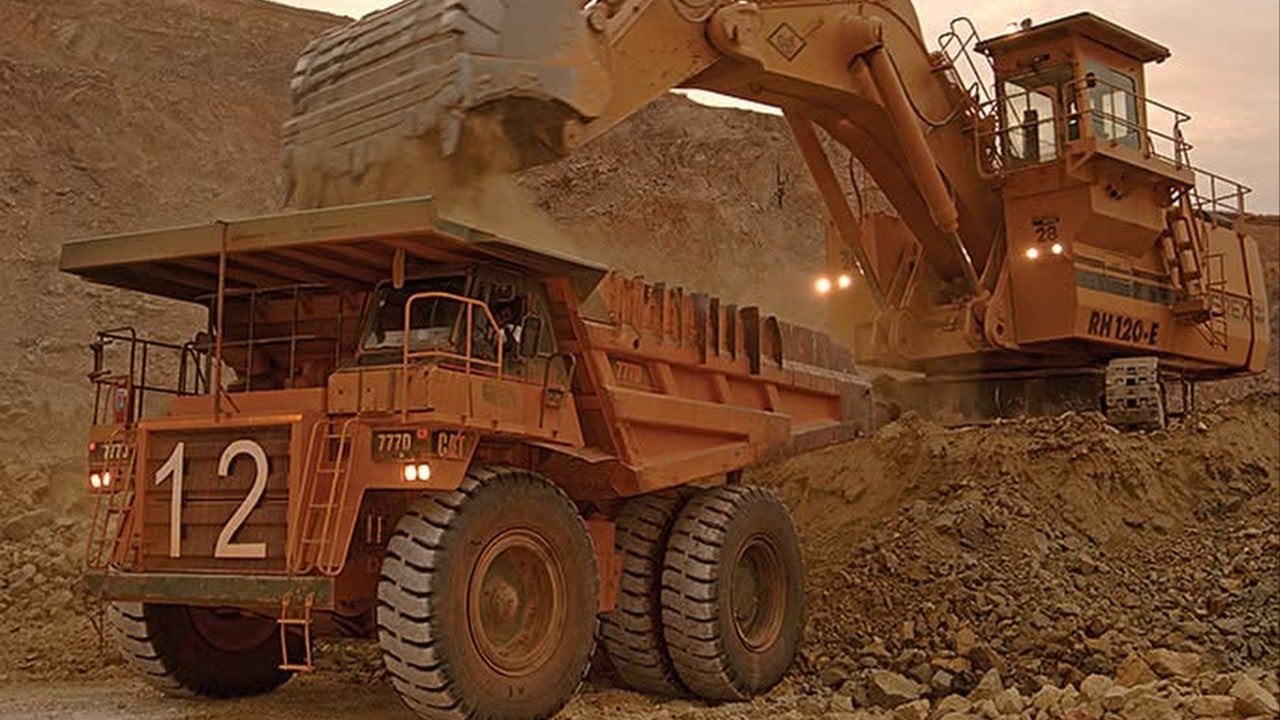
Chinese regulators have halted Zijin Mining's planned $4 billion acquisition of Canadian company Allied Gold, signaling a potential shift in Beijing's approach to overseas investments. The deal, which had already received approval from Canadian and West African regulators, has been extended to July 29 as Chinese authorities conduct a thorough review of the potential risks involved.
Allied Gold's primary mining assets are located in Africa, with its most significant holding being the Sadiola mine in Mali. This region is currently experiencing escalating attacks from jihadist insurgents, raising security concerns. While Allied Gold's other assets in Ethiopia and Ivory Coast are considered relatively safer, they are situated in areas broadly susceptible to conflict and other political risks.
Observers suggest that China's decision to suspend this acquisition indicates a growing wariness in Beijing regarding the increasing risks and security costs associated with its substantial investments across the continent. As China's economic ties and influence deepen in Africa, this move highlights a more cautious stance on managing the security implications of its global financial footprint.
DistantNews Editorial
Originally published by South China Morning Post in English. Translated, summarized, and contextualized by our editorial team with added local perspective. Read our editorial standards.
More Stories
From Our Blog

Countries Without a Free Press: What You Need to Know

What Press Freedom Means for the News You Read

What Gets Lost (and Found) When News Is Translated

The Critical Role of Diaspora Media in Global News

What Travellers Should Know About Countries with Restricted Press
