

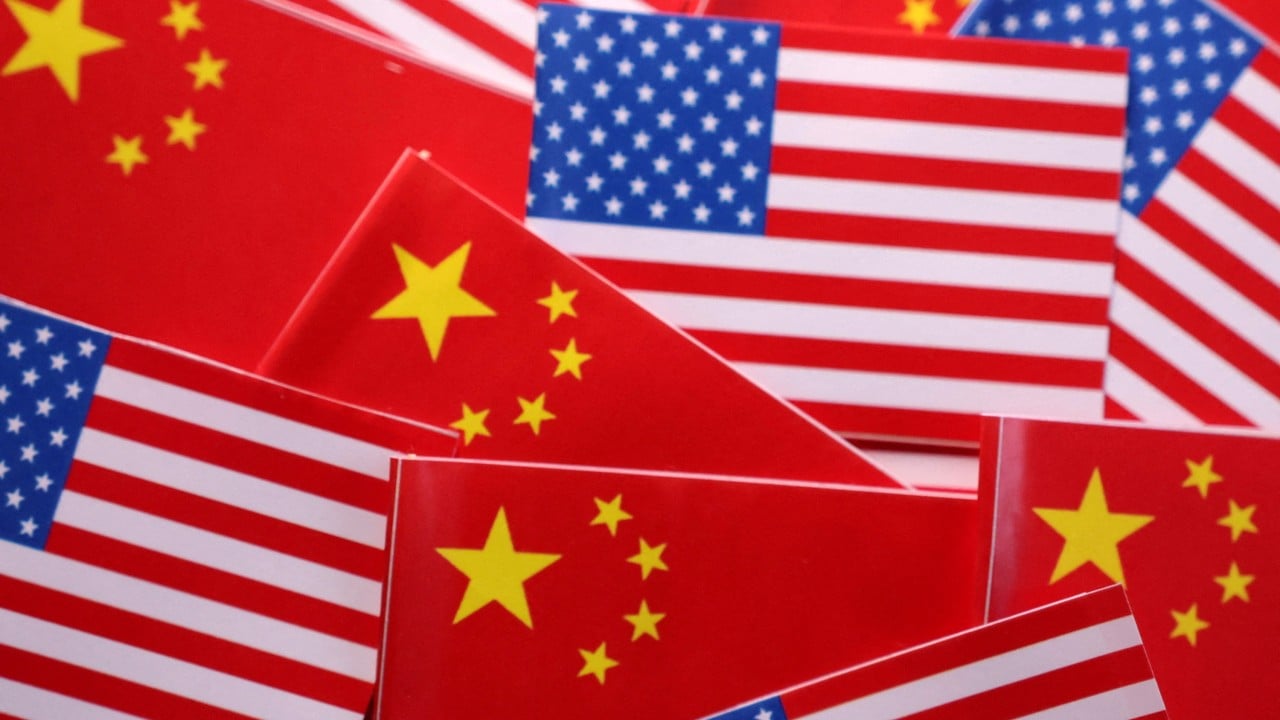
China reassesses economic security amid Hormuz crisis, supply chain fears
Translated from English, summarized and contextualized by DistantNews.
TLDR
- China is reassessing its economic security and vulnerabilities due to disruptions in the Strait of Hormuz amid the US-Israeli war on Iran.
- The head of China's economic planner emphasized reinforcing strategic reserves and response capabilities due to mounting external risks and fragile global supply chains.
- Despite current economic resilience, China remains wary of potential spillover effects and stresses the need for deeper cooperation and better emergency preparedness.
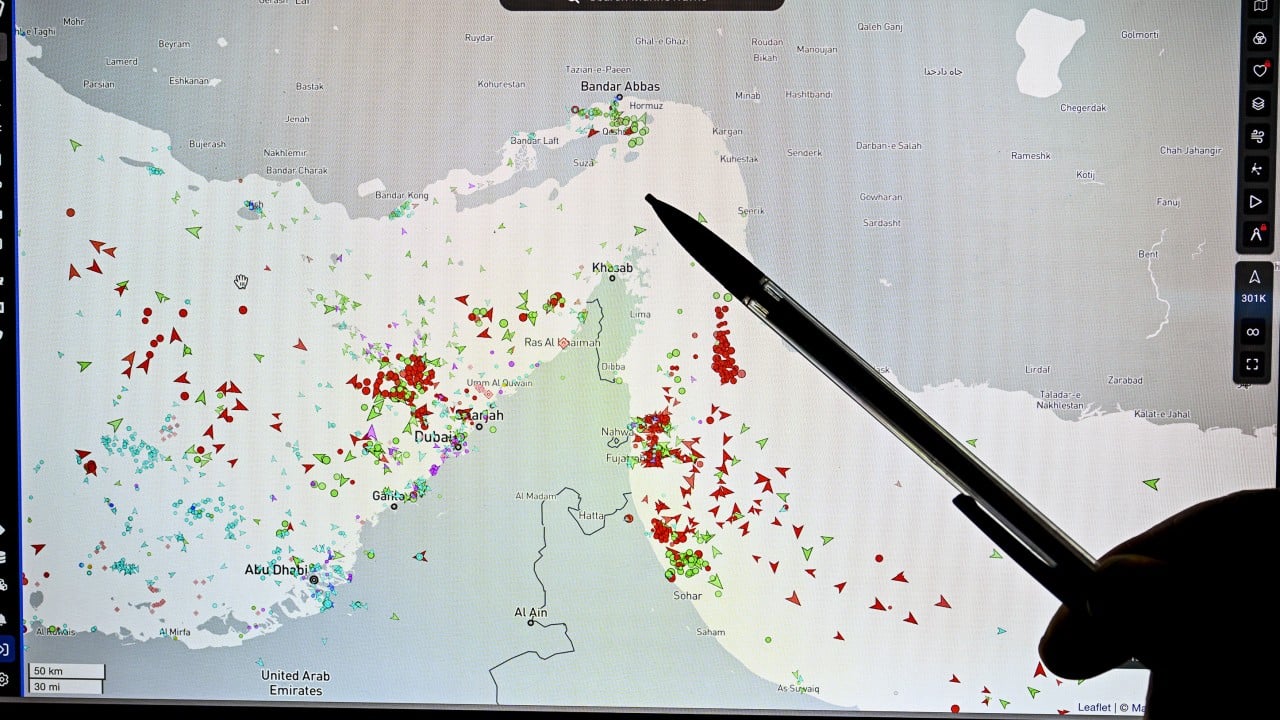
The ongoing conflict in the Strait of Hormuz, exacerbated by the US-Israeli war on Iran, has cast a stark light on the vulnerabilities of global supply chains. For China, a nation heavily reliant on international trade and energy imports, these disruptions pose a significant threat to its economic security. Zheng Shanjie, the chief of China’s top economic planner, has articulated a clear strategy: bolster strategic reserves and enhance response capabilities to mitigate mounting external risks. This proactive stance underscores Beijing's commitment to safeguarding its economic stability in an increasingly uncertain world.
While China's economy has shown remarkable resilience, growing by 5% in the first quarter and cushioned by pre-war oil stockpiling, policymakers are not complacent. The potential for spillover effects from geopolitical conflicts remains a primary concern. The article highlights the fragility of global industrial and supply chains, a reality that resonates deeply within China's export-oriented economy. The emphasis on deeper cooperation with partners and improved emergency preparedness signals a strategic pivot towards greater self-reliance and resilience.
The evolution of the international situation is profoundly affecting China as we enter a period where strategic opportunities coexist with risks and uncertainties.
From a Chinese perspective, this situation is not merely an economic challenge but a geopolitical one. The rise of hegemonic ambitions and power politics, coupled with resource-rich nations tightening their mining policies, necessitates a robust and independent approach. The Strait of Hormuz, a critical chokepoint for global energy transport, serves as a potent reminder of the interconnectedness and fragility of the international system. China's response, therefore, is not just about managing immediate economic fallout but about charting a long-term course towards greater strategic autonomy and security.
Resource-rich countries are tightening their mining policies, competition for energy and key minerals is rife and disruptions to shipping via the Strait of Hormuz further expose how fragile global industrial and supply chains are.
DistantNews Editorial
Originally published by South China Morning Post in English. Translated, summarized, and contextualized by our editorial team with added local perspective. Read our editorial standards.
More Stories

From Our Blog

Countries Without a Free Press: What You Need to Know

What Press Freedom Means for the News You Read

What Gets Lost (and Found) When News Is Translated

The Critical Role of Diaspora Media in Global News

What Travellers Should Know About Countries with Restricted Press
