

China releases documentary on disputed Diaoyu Islands, challenging Japan's claim
Translated from English, summarized and contextualized by DistantNews.
At a glance
News
Sources not specified
New plan
- China Global Television Network released a documentary examining the history and legal debates surrounding the disputed Diaoyu Islands.
- The documentary asserts China discovered and named the islands before ceding them to Japan in 1895, a claim Japan disputes.
- Beijing cites post-WWII declarations for their return, while Tokyo relies on later treaties and historical control.
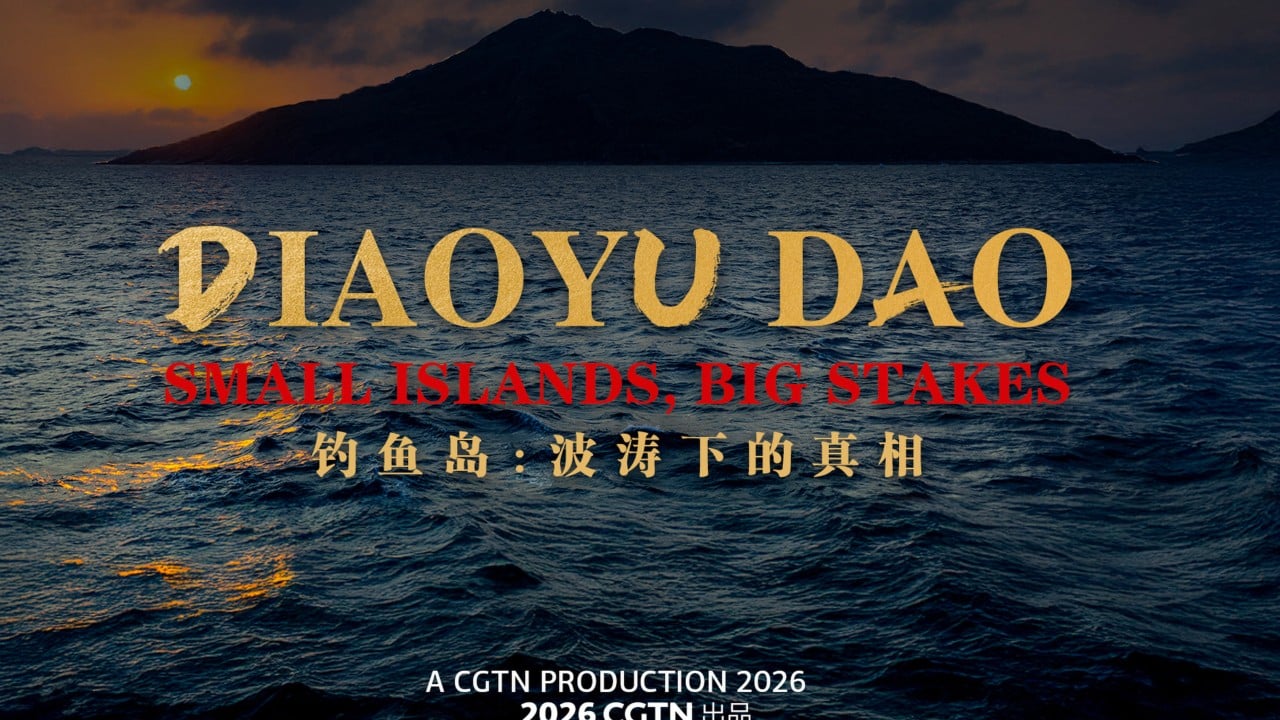
China Global Television Network (CGTN) has released a new documentary, "Diaoyu Dao: Small Islands, Big Stakes," reigniting a long-standing territorial dispute with Japan over the islands China administers as the Diaoyu and Japan calls the Senkaku.
The first part of the series, released Monday, delves into the historical, legal, and contemporary aspects of the uninhabited islets. CGTN's narrative asserts that historical texts and maps prove China's initial discovery and naming of the islands, which were subsequently ceded to Japan under the 1895 Treaty of Shimonoseki after the First Sino-Japanese War.
Beijing's position, as presented in the documentary, is that Japan is obligated to return the islands based on the 1943 Cairo Declaration and the 1945 Potsdam Proclamation, foundational documents of the post-World War II international order. However, Japan contests this interpretation, arguing that historical maps do not determine sovereignty. Tokyo maintains that China did not control the islands before 1895 and that they were not subject to the Treaty of Shimonoseki. Japan further supports its claim with the 1951 San Francisco Peace Treaty and the 1971 Okinawa Reversion Agreement with the United States.
The documentary preview acknowledges that "some scholars argue that key legal questions arising from these agreements remain unresolved," highlighting the ongoing complexity and contention surrounding the islands' ownership.
Some scholars argue that key legal questions arising from these agreements remain unresolved.
DistantNews Editorial
Originally published by South China Morning Post in English. Translated, summarized, and contextualized by our editorial team with added local perspective. Read our editorial standards.
More Stories


From Our Blog

Countries Without a Free Press: What You Need to Know

What Press Freedom Means for the News You Read

What Gets Lost (and Found) When News Is Translated

The Critical Role of Diaspora Media in Global News

What Travellers Should Know About Countries with Restricted Press
