

How Trump’s Iran ‘own goal’ is hitting long-term US strategy to contain Chinese influence
Summarized and contextualized by DistantNews.
At a glance
Analysis
Sources not specified
Context piece
- US strategy to contain China's influence in the Middle East is being undermined by sanctions and the war against Iran, dismantling a key asset for regional constraint.
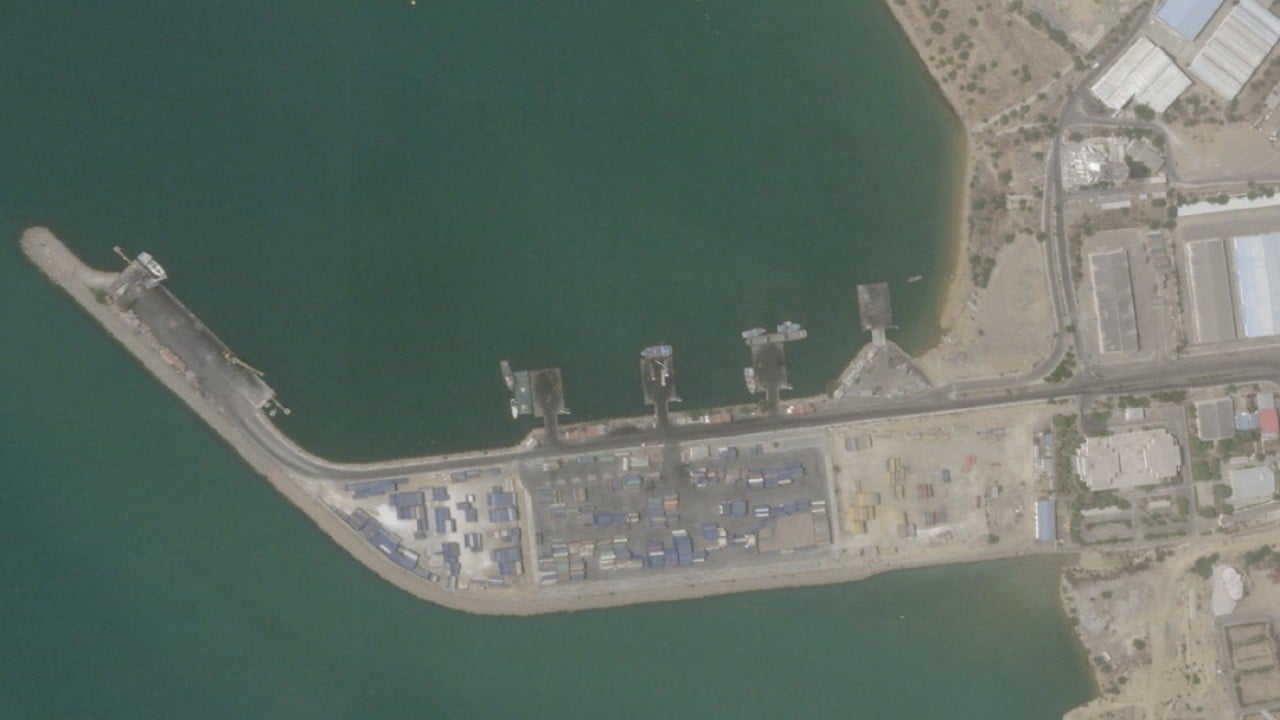
- The Iranian port of Chabahar, supported by India as a trade corridor and a counterweight to Chinese-operated Gwadar, had previously received US sanctions waivers to continue operating.
- Recent shifts in US policy, including a more conciliatory tone towards China and reduced enthusiasm for the Quad security partnership, have altered calculations regarding Chabahar's strategic value.
The United States has long sought to curb China's growing strategic influence, particularly in the Middle East. However, current US policies, including sanctions on Iran and the ongoing conflict, are inadvertently dismantling a crucial asset previously established to counter Beijing's regional expansion.
The United States has spent decades trying to blunt China’s strategic rise. Yet in the Middle East, sanctions and the war against Iran are now dismantling one of the few assets built to constrain Beijing’s influence in the region.
The Iranian port of Chabahar was a strategic initiative backed by India, intended to create a trade corridor into Afghanistan and Central Asia that bypassed Pakistan. Crucially, it was also envisioned as a counterbalance to the Chinese-operated port of Gwadar in Pakistan. Recognizing Chabahar's potential to constrain Chinese influence, successive US administrations had quietly granted sanctions waivers, allowing the port to operate despite broader sanctions against Iran.
The Iranian port of Chabahar has received strong backing from India, which hoped it would gain both a trade corridor into Afghanistan and Central Asia that bypassed Pakistan and a strategic counterweight to the Chinese-operated Pakistani port of Gwadar.
This strategic calculation appears to have shifted under the Trump administration. While the US has historically viewed Chabahar as a valuable tool against Chinese expansion, recent policy adjustments suggest a different approach. The administration's more conciliatory stance towards China and its diminished enthusiasm for the Quad security partnership, comprising the US, India, Australia, and Japan, have altered the strategic calculus surrounding Chabahar's role in containing Beijing's influence in the region.
Successive US administrations recognised Chabahar’s value in helping to counter that risk and quietly granted sanctions waivers that allowed the Gulf of Oman port to continue operating even as Washington turned up the heat on Iran.
DistantNews Editorial
Originally published by South China Morning Post. Summarized and contextualized by our editorial team with added local perspective. Read our editorial standards.
More Stories

From Our Blog

Countries Without a Free Press: What You Need to Know

What Press Freedom Means for the News You Read

What Gets Lost (and Found) When News Is Translated

The Critical Role of Diaspora Media in Global News

What Travellers Should Know About Countries with Restricted Press
