


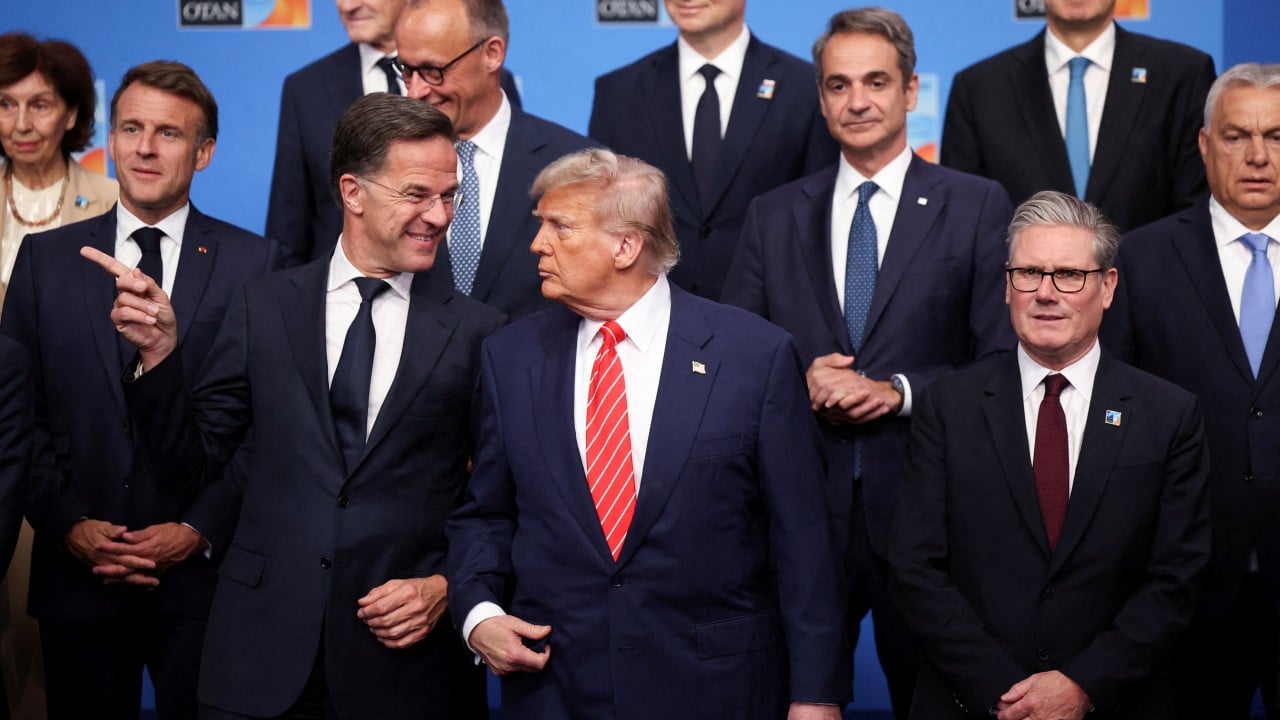
China report warns against European-led Nato 3.0 expansion in Asia-Pacific
Translated from English, summarized and contextualized by DistantNews.
At a glance
News
Named sources
New plan
- A Chinese think tank report warns that a European-led "Nato 3.0" expansion into the Asia-Pacific could increase tensions.
- The China Institutes of Contemporary International Relations (CICIR) suggests this shift may not resolve strategic differences between the U.S. and Europe.
- The report also cautions that Nato's growing cooperation with Asian nations like Japan could conflict with a multipolar world order.
A leading Chinese think tank has issued a stark warning regarding the North Atlantic Treaty Organization's evolving strategy, dubbed "Nato 3.0." The China Institutes of Contemporary International Relations (CICIR) argues that this new, more Europe-centric approach to the alliance's defense will likely fail to bridge existing strategic divides between Washington and European capitals.
Published on Monday, the CICIR report specifically cautions against Nato's expanding military and defense cooperation with nations in the Asia-Pacific region, such as Japan. The think tank contends that such moves will inevitably place the bloc "increasingly at odds with an accelerating multipolar world order." This warning comes in the wake of Nato's recent summit in Ankara, where the "Nato 3.0" concept was formally adopted as the alliance's latest strategic direction.
The "Nato 3.0" framework signifies a new phase in the alliance's evolution. It represents a structural overhaul that aims to shift greater responsibility for conventional defense onto European members, while the United States recalibrates its global commitments. This shift is partly driven by the Trump administration's emphasis on burden-sharing, as outlined in Washington's National Security Strategy released in late 2025, which prioritizes the Western Hemisphere and places added pressure on European allies to assume primary responsibility for their own conventional defense.
DistantNews Editorial
Originally published by South China Morning Post in English. Translated, summarized, and contextualized by our editorial team with added local perspective. Read our editorial standards.
More Stories


From Our Blog

Countries Without a Free Press: What You Need to Know

What Press Freedom Means for the News You Read

What Gets Lost (and Found) When News Is Translated

The Critical Role of Diaspora Media in Global News

What Travellers Should Know About Countries with Restricted Press
