

China Reviews Energy Strategy Amid Strait of Hormuz Shipping Crisis
Translated from English, summarized and contextualized by DistantNews.
TLDR
- China is reviewing its energy strategy due to disruptions in the Strait of Hormuz, which threaten long-term economic stability.
- Premier Li Qiang convened a State Council meeting to discuss energy security and transformation, emphasizing vigilance against global energy price volatility.
- China's economy has been resilient due to oil stockpiling, but its heavy reliance on imports via the Strait of Hormuz remains a strategic vulnerability.
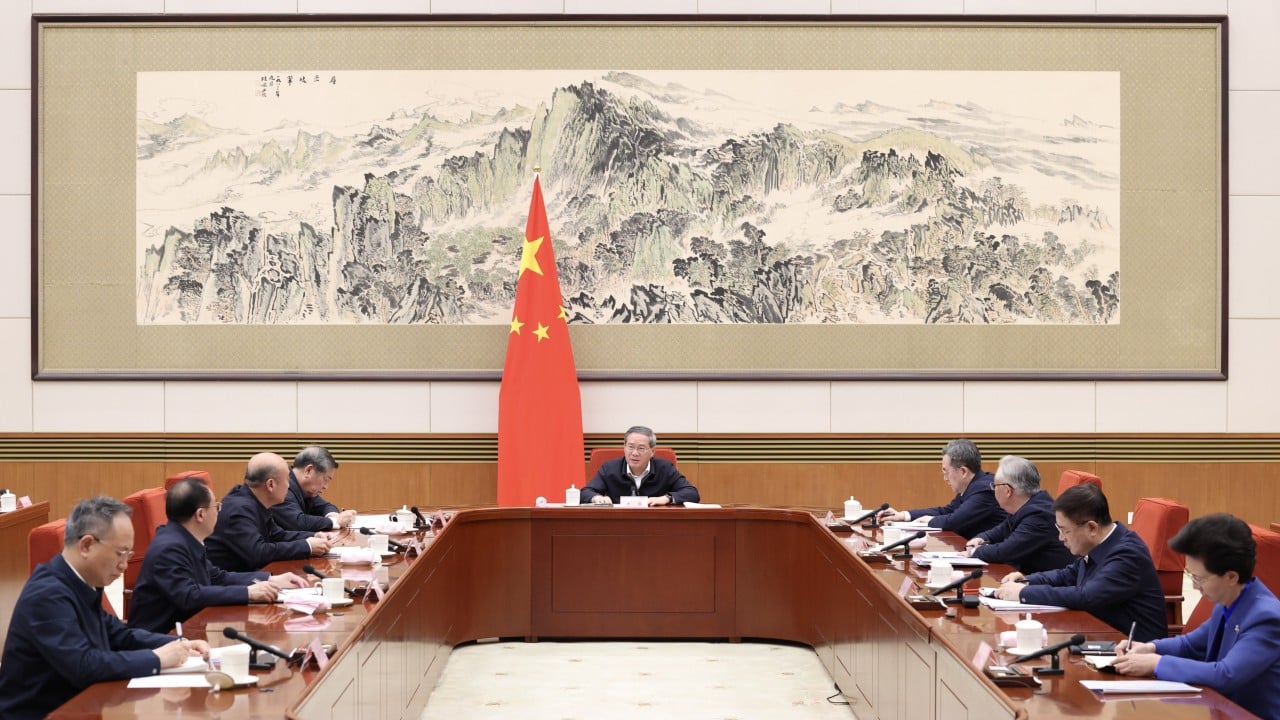
Beijing is taking a serious look at its energy strategy as global shipping crises, particularly in the Strait of Hormuz, pose a growing threat to China's economic stability. The State Council, led by Premier Li Qiang, convened a high-level session to coordinate energy security and the sector's ongoing transformation. This reflects a broader policy re-evaluation driven by the volatility in global energy markets since the start of the conflict between the US and Iran.
Premier Li stressed the need for vigilance and a "bottom-line mentality" to bolster resilience and secure energy supplies, acknowledging the "upheavals in the international situation" and China's increasing energy demand. While China's economy showed robust growth in the first quarter, partly due to strategic oil stockpiling before the recent conflicts, its significant dependence on oil imports, with about 70% passing through the Strait of Hormuz, is a recognized strategic vulnerability.
Given upheavals in the international situation and the steady growth of China’s energy demand, we must maintain vigilance and a bottom-line mentality to enhance resilience and secure supplies.
President Xi Jinping's direct call for the Strait of Hormuz to remain open marks a significant diplomatic move. This public stance underscores Beijing's commitment to ensuring the free flow of energy resources, which are critical for maintaining national stability and economic prosperity. The situation highlights the delicate balance China must strike between its economic needs and the geopolitical complexities of the Middle East.
the strait should remain open.
DistantNews Editorial
Originally published by South China Morning Post in English. Translated, summarized, and contextualized by our editorial team with added local perspective. Read our editorial standards.
More Stories

From Our Blog

Countries Without a Free Press: What You Need to Know

What Press Freedom Means for the News You Read

What Gets Lost (and Found) When News Is Translated

The Critical Role of Diaspora Media in Global News

What Travellers Should Know About Countries with Restricted Press
