

China's C919 Jet Maker Reassesses Supply Chain Risks Amid Delivery Delays
Translated from English, summarized and contextualized by DistantNews.
TLDR
- China's Commercial Aircraft Corporation (Comac) is reviewing its supply chains for geopolitical risks, particularly for foreign-sourced jet engines.
- Deliveries of its C919 passenger jet are reportedly delayed, with Comac falling significantly short of its 2025 target.
- Comac relies on Western suppliers like GE Aerospace and Safran for critical components, exposing it to potential disruptions.
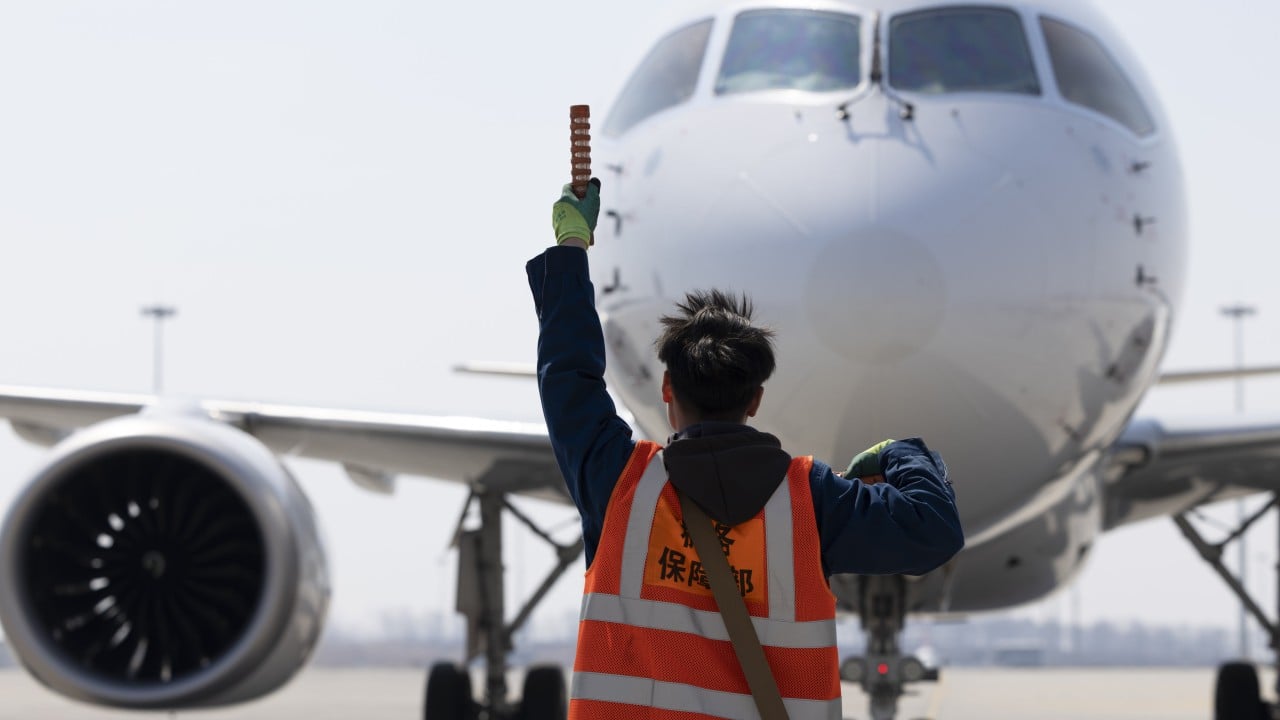
The ambition to establish China as a major player in the global aviation industry, exemplified by the C919 passenger jet, faces significant headwinds. While the Commercial Aircraft Corporation of China (Comac) strives to localize production, its heavy reliance on foreign suppliers for crucial components, especially engines from U.S. and French firms, presents a persistent vulnerability. This dependence was starkly illustrated when the Trump administration temporarily suspended exports of essential engines last summer, highlighting the geopolitical risks inherent in such international supply chains.
Aircraft manufacturing has long and fiendishly complex supply chains … It involves a lot of planning and effort to add just one more jet to the delivery queue
The reported delays in C919 deliveries, with Comac significantly missing its targets for this year and last, underscore the complex challenges of aircraft manufacturing. The intricate nature of the supply chain, where not a single part can be missing or faulty, demands meticulous planning and execution. Comac's internal assessments acknowledge that initial delivery projections were overly optimistic, a sentiment echoed by industry insiders who emphasize the painstaking effort required to add even one aircraft to the delivery queue.
Not a single link, a single piece in the supply chain can be missing. Similarly, not a single part of the hundreds of thousands of bolts, wires and systems that make up an airliner can be omitted, before we are satisfied with quality and safety so that a delivery can be made.
As China continues its push for self-sufficiency in high-tech sectors, the C919 program serves as a critical case study. The reassessment of supply chain risks is a necessary step, but overcoming the technological gap in areas like engine manufacturing will require sustained investment and innovation. The global aviation market is fiercely competitive, and Comac's ability to meet its delivery schedules reliably, while navigating international political tensions and ensuring stringent quality control, will be paramount to its long-term success and its challenge to established players like Boeing and Airbus.
Management initially thought increasing deliveries [of the C919] would be easy … Now we all know it was way too optimistic
DistantNews Editorial
Originally published by South China Morning Post in English. Translated, summarized, and contextualized by our editorial team with added local perspective. Read our editorial standards.
More Stories

From Our Blog

Countries Without a Free Press: What You Need to Know

What Press Freedom Means for the News You Read

What Gets Lost (and Found) When News Is Translated

The Critical Role of Diaspora Media in Global News

What Travellers Should Know About Countries with Restricted Press
