

Study shows 4,000-year battle of Eastern and Western genes in China’s heartland
Summarized and contextualized by DistantNews.
At a glance
News
Documents & data
Approved/passed
- A large-scale ancient genomics study in China's Ningxia region reveals a 4,000-year history of gene fusion between Eastern and Western populations.
- Researchers analyzed 69 genomic data sets from 89 ancient individuals, tracing gene flow through periods of war and trade.
- Han Chinese genes, primarily from males, first entered the region significantly around 127 BC during the Han dynasty, mixing with local populations.
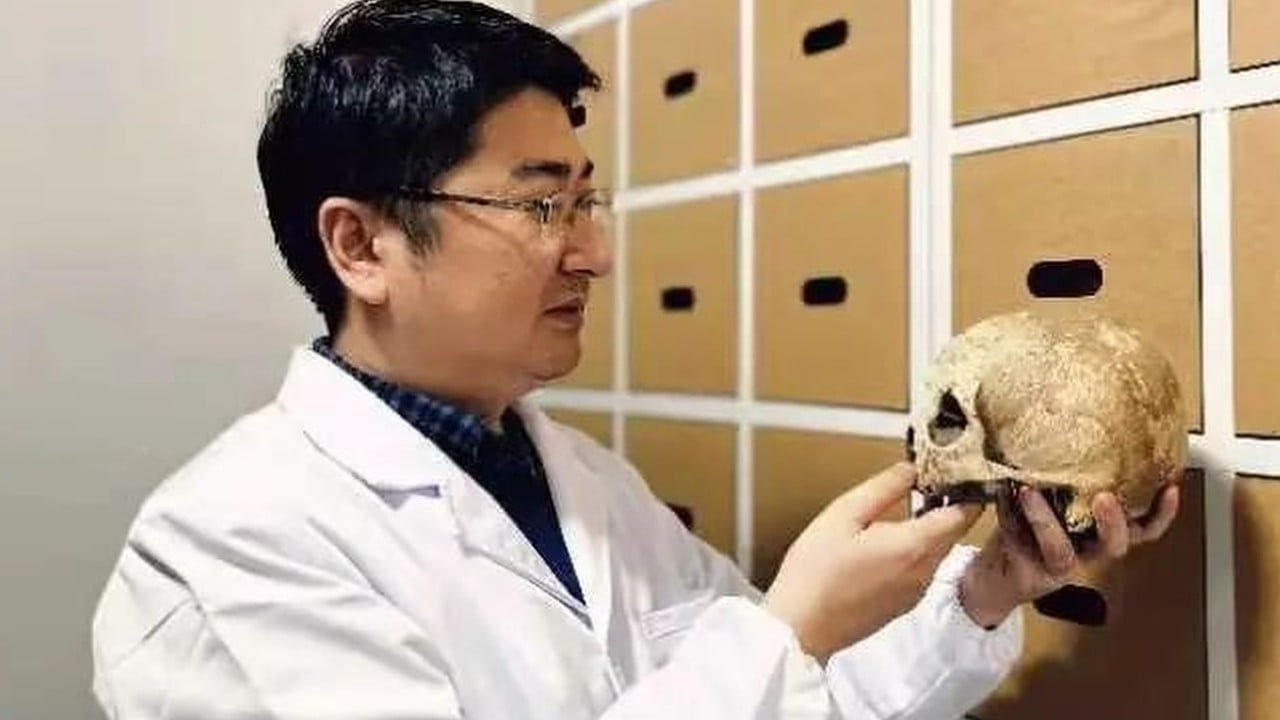
A comprehensive ancient genomics study conducted in China's Ningxia region has uncovered evidence of a 4,000-year-long intermingling of Eastern and Western genes. Researchers from Fudan University, in collaboration with local institutions, analyzed genetic data from 89 ancient skeletal remains, yielding 69 high-quality genomic datasets spanning from approximately 4,245 to 301 years ago.
The study, published in Nature Communications, highlights Ningxia's historical role as a crossroads between the Eurasian steppe and Chinese farmlands. It reveals that human genes from both the East and the West have fused in this area through centuries of conflict and trade. The findings indicate that Han Chinese genes, predominantly carried by males, began entering Ningxia on a large scale around 127 BC, during the Han dynasty.
Genetic analysis of 22 skeletons from the Han dynasty period showed that the majority clustered genetically with populations from the Yellow River basin, suggesting a significant influx and integration of Han Chinese farmers into the region. This research provides a detailed genetic timeline of population movements and interactions in China's heartland over millennia.
DistantNews Editorial
Originally published by South China Morning Post. Summarized and contextualized by our editorial team with added local perspective. Read our editorial standards.
More Stories
From Our Blog

Countries Without a Free Press: What You Need to Know

What Press Freedom Means for the News You Read

What Gets Lost (and Found) When News Is Translated

The Critical Role of Diaspora Media in Global News

What Travellers Should Know About Countries with Restricted Press
