


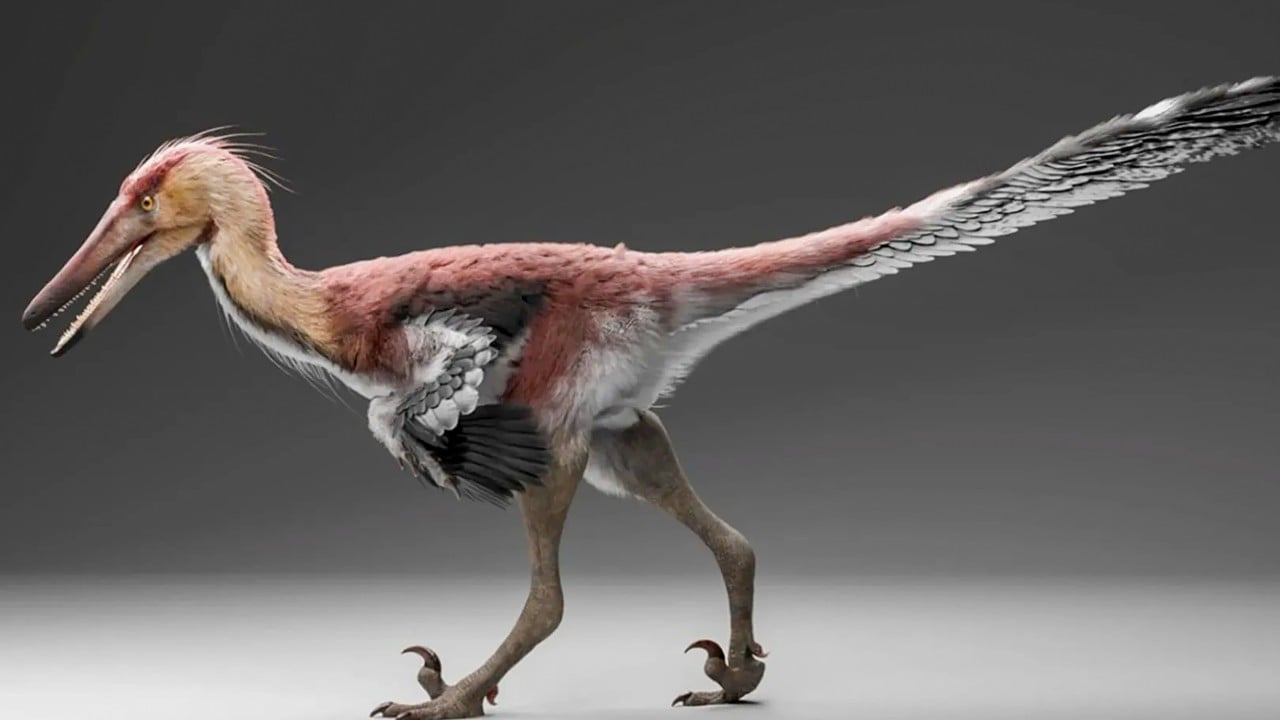
Discovery of fish-eating raptor in Argentina points to prehistoric links with China
Summarized and contextualized by DistantNews.
At a glance
News
Sources not specified
Outcome reported
- A new species of raptor with a curved claw, similar to velociraptors found in China, has been discovered in Argentina.
- This discovery suggests a close evolutionary link between raptors on opposite sides of the world.
- Scientists are re-evaluating the geographical range of ancient creatures based on this finding.
Scientists have unearthed a new species of raptor in Argentina, distinguished by a telltale curved claw that mirrors those found on velociraptors in China, despite the vast 19,000 km (11,800 miles) distance separating the locations. This discovery indicates that these dinosaurs were closely related, sharing a common ancestor from a period when continents were joined. The findings, published in the Journal of Vertebrate Paleontology, are prompting a reassessment of how widely ancient creatures roamed the Earth. Matias Motta, lead author of the study and a researcher at the Bernardino Rivadavia Natural Sciences Museum, highlighted the remarkable preservation of anatomical structures in animals with diverse lifestyles. A team of paleontologists has been studying the new species in southern Argentine Patagonia since 2018, aiming to understand the region during the Late Cretaceous period (143 to 66 million years ago). The fossil was discovered just before a snowstorm temporarily halted their excavation. Initially unsure of the find due to the fossil being embedded in rock, the team eventually identified it as a raptor.
What is remarkable is the preservation of certain anatomical structures in animals with very different lifestyles
DistantNews Editorial
Originally published by South China Morning Post. Summarized and contextualized by our editorial team with added local perspective. Read our editorial standards.
More Stories

From Our Blog

Countries Without a Free Press: What You Need to Know

What Press Freedom Means for the News You Read

What Gets Lost (and Found) When News Is Translated

The Critical Role of Diaspora Media in Global News

What Travellers Should Know About Countries with Restricted Press
