

China's nuclear power expansion unlikely to be halted by climate extremes
Translated from English and summarized by DistantNews. Read the original for the full story.
At a glance
News
Named sources
Context piece
- China's nuclear power expansion is unlikely to be affected by climate extremes, unlike in Europe.
- European nuclear reactors are facing disruptions due to hot and dry weather, leading to shutdowns.
- China's coastal nuclear plants use seawater for cooling, making them more resilient to droughts and heatwaves.
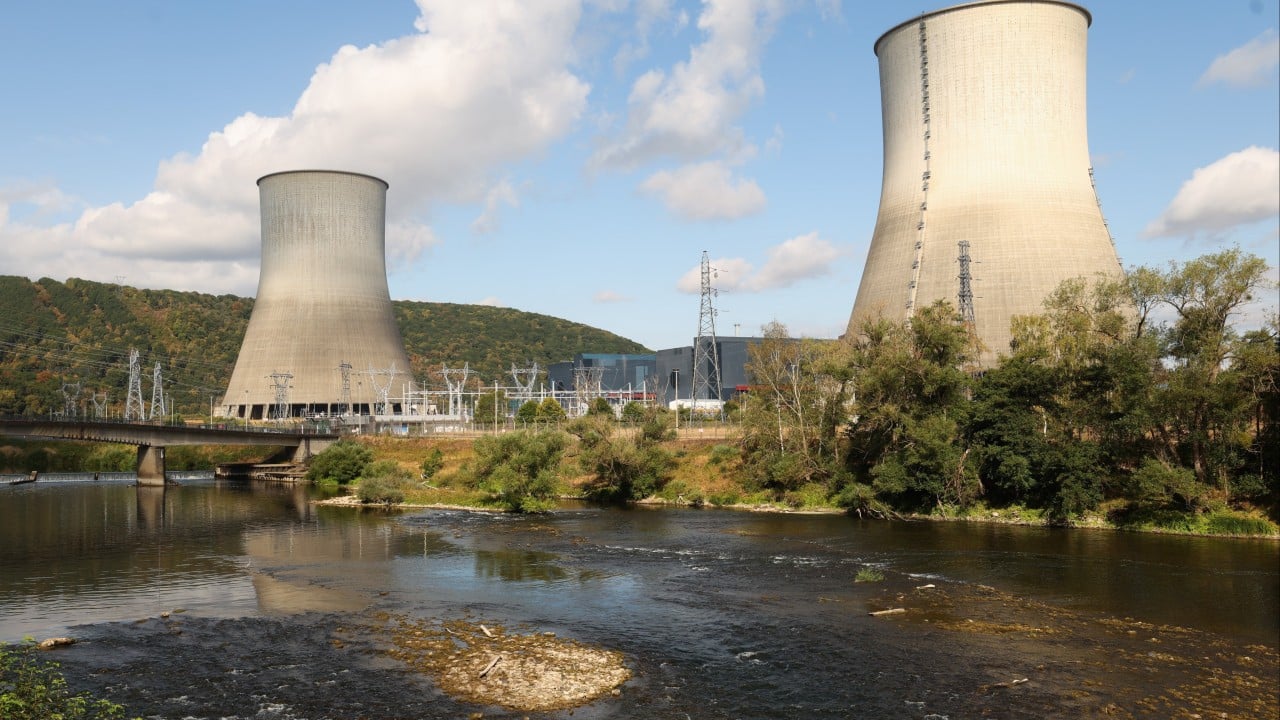
Extreme weather events are disrupting nuclear power generation in Europe, forcing reactor shutdowns due to low river levels and high water temperatures. France, heavily reliant on nuclear power, experienced a significant shortfall in its electricity generation capacity. Outages were linked to drought, heatwaves, and even jellyfish.
While extreme weather is disrupting nuclear power generation in some parts of the world, it is unlikely to derail China’s rapid expansion in the sector, according to an industry specialist.
However, these climate-related challenges are unlikely to derail China's ambitious nuclear power expansion plans. According to Francois Morin, China director of the World Nuclear Association, China's nuclear power plants are primarily constructed along the coast. This strategic location allows them to use open seawater for cooling.
Using open seawater for cooling makes Chinese reactors less vulnerable to droughts and heatwaves, according to Francois Morin, China director of the World Nuclear Association, an international industry body.
Using seawater makes Chinese reactors significantly less vulnerable to droughts and heatwaves compared to European facilities, which are often situated along rivers. While coastal areas face their own threats from extreme weather, such as storms and rising sea levels, Morin noted that China possesses a strong understanding of typhoons, which do not pose a serious risk to its nuclear reactors.
While coastal areas faced a range of threats associated with extreme weather, including storms and rising sea levels, China had a good understanding of typhoons and they did not pose a serious threat to its nuclear reactors, Morin said.
About this summary
Originally published by South China Morning Post in English. Translated, summarized, and contextualized automatically by DistantNews, with a note on how the source frames the story. Not individually reviewed before publishing. How this works.
More Stories
From Our Blog

Countries Without a Free Press: What You Need to Know

What Press Freedom Means for the News You Read

What Gets Lost (and Found) When News Is Translated

The Critical Role of Diaspora Media in Global News

What Travellers Should Know About Countries with Restricted Press
